
Last updated November 15, 2026
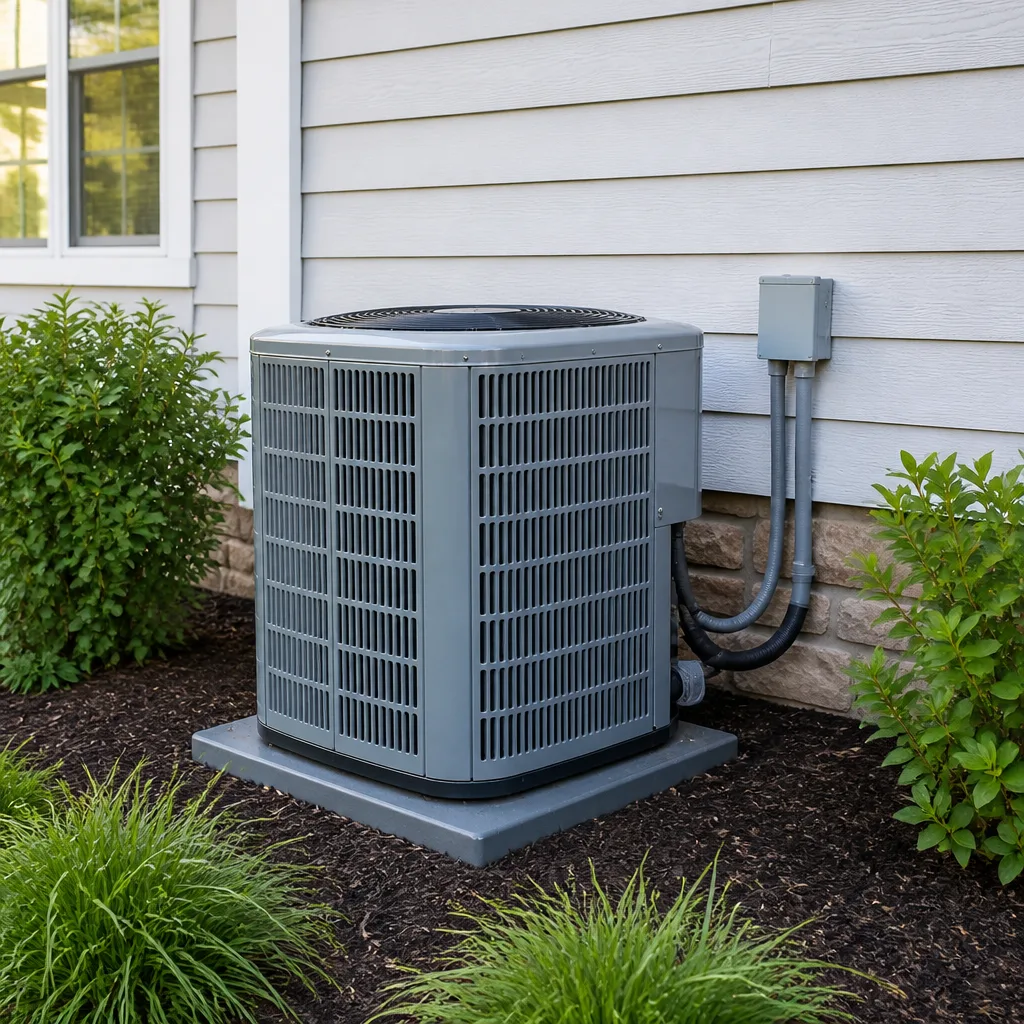 AC repair
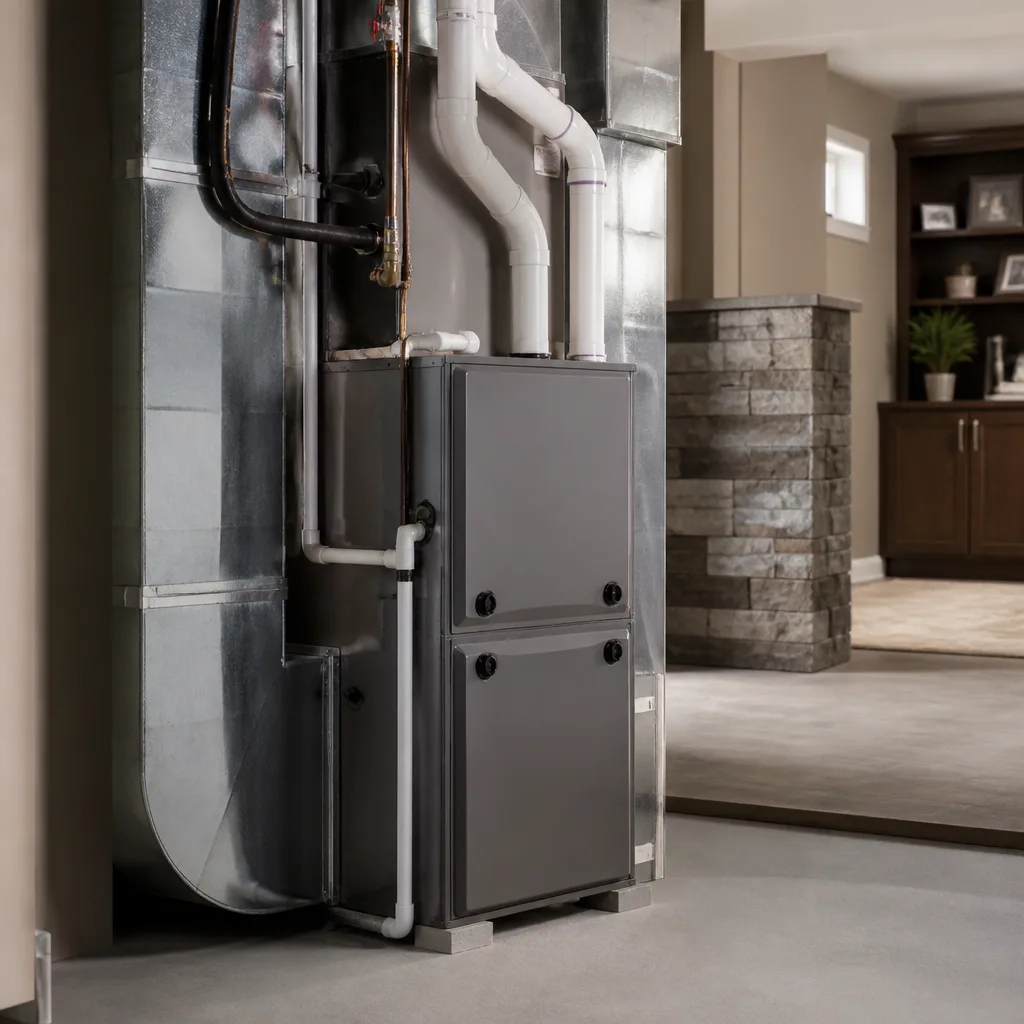 Furnace & heating
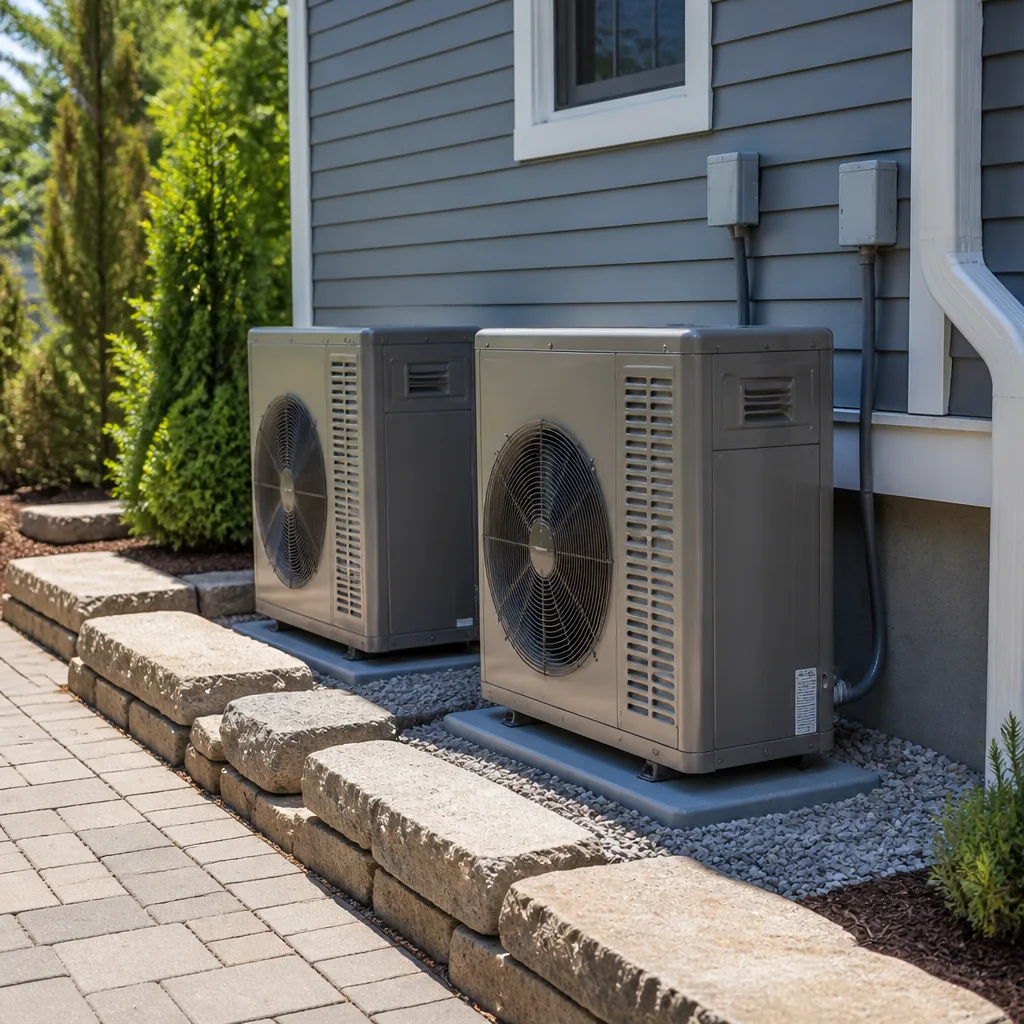 Heat pumps
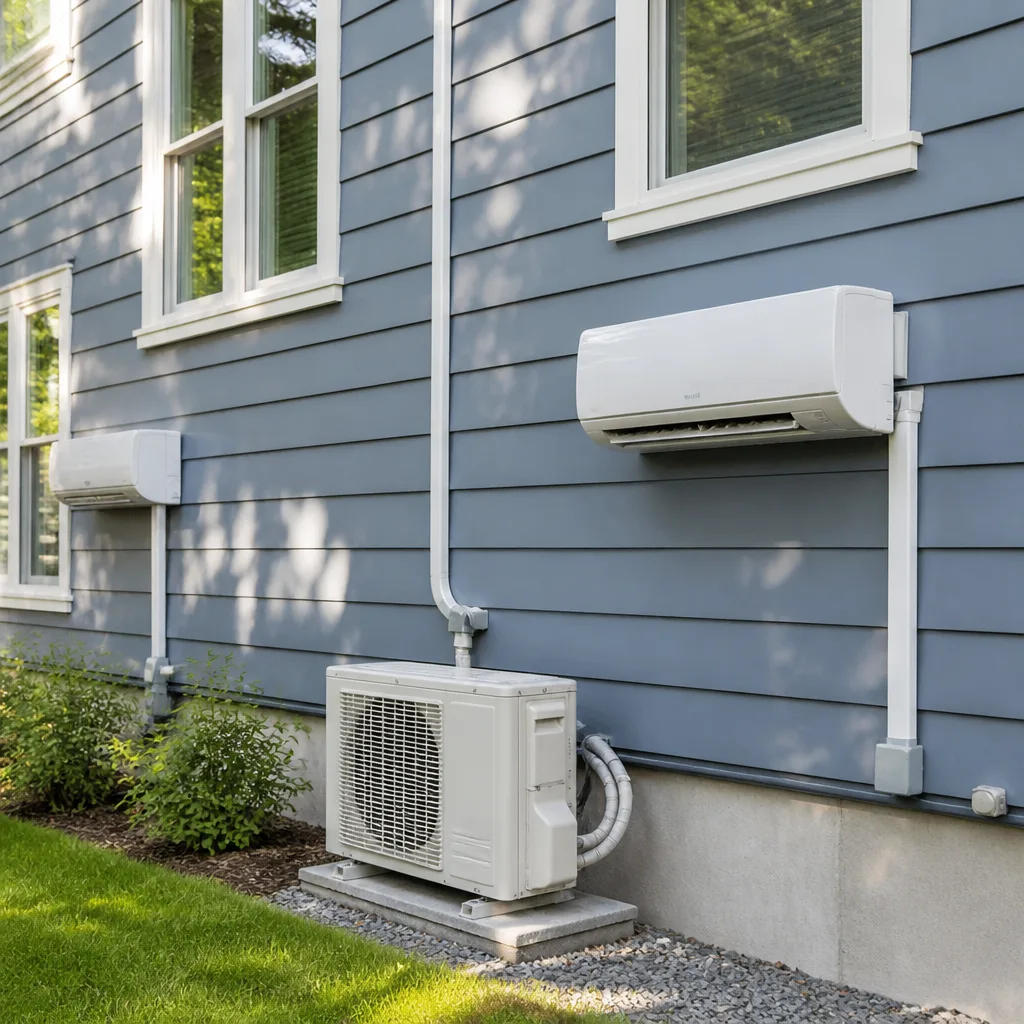 Ductless mini splits
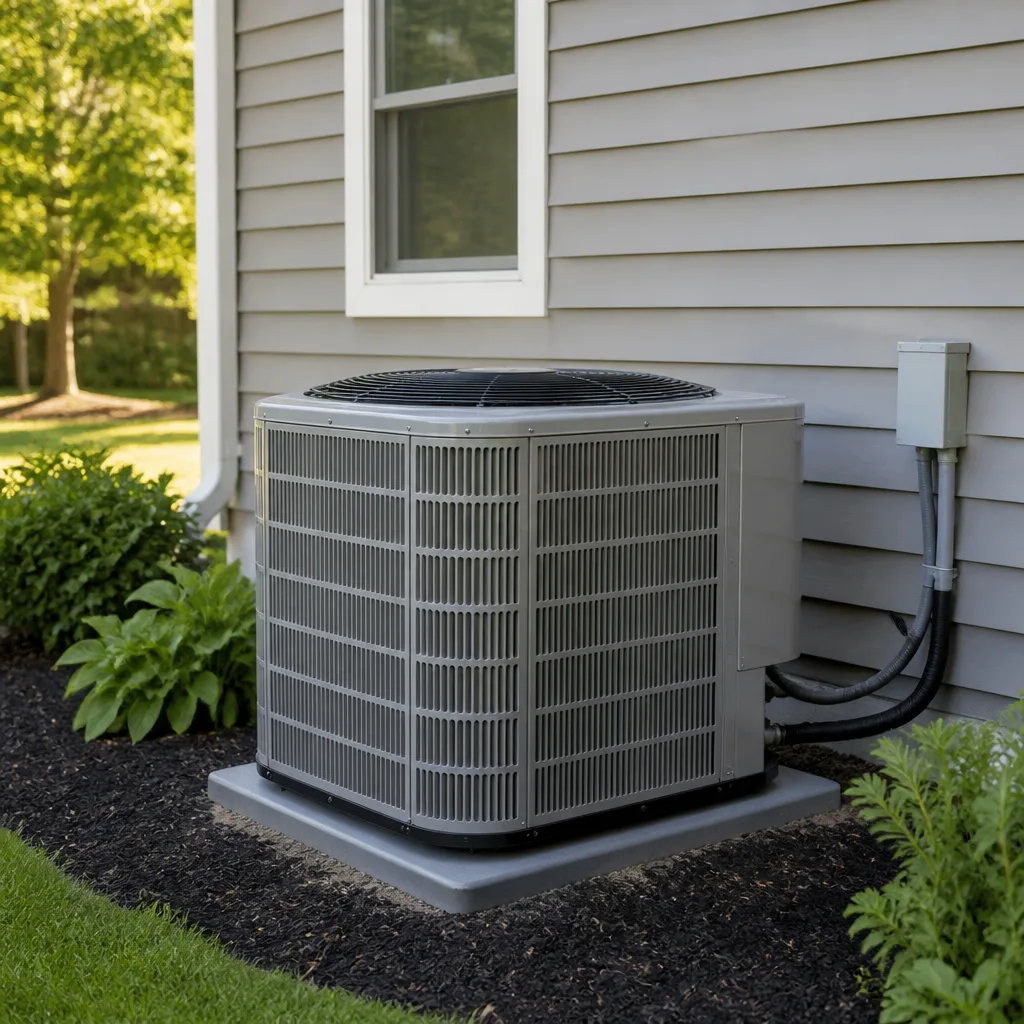 Carrier
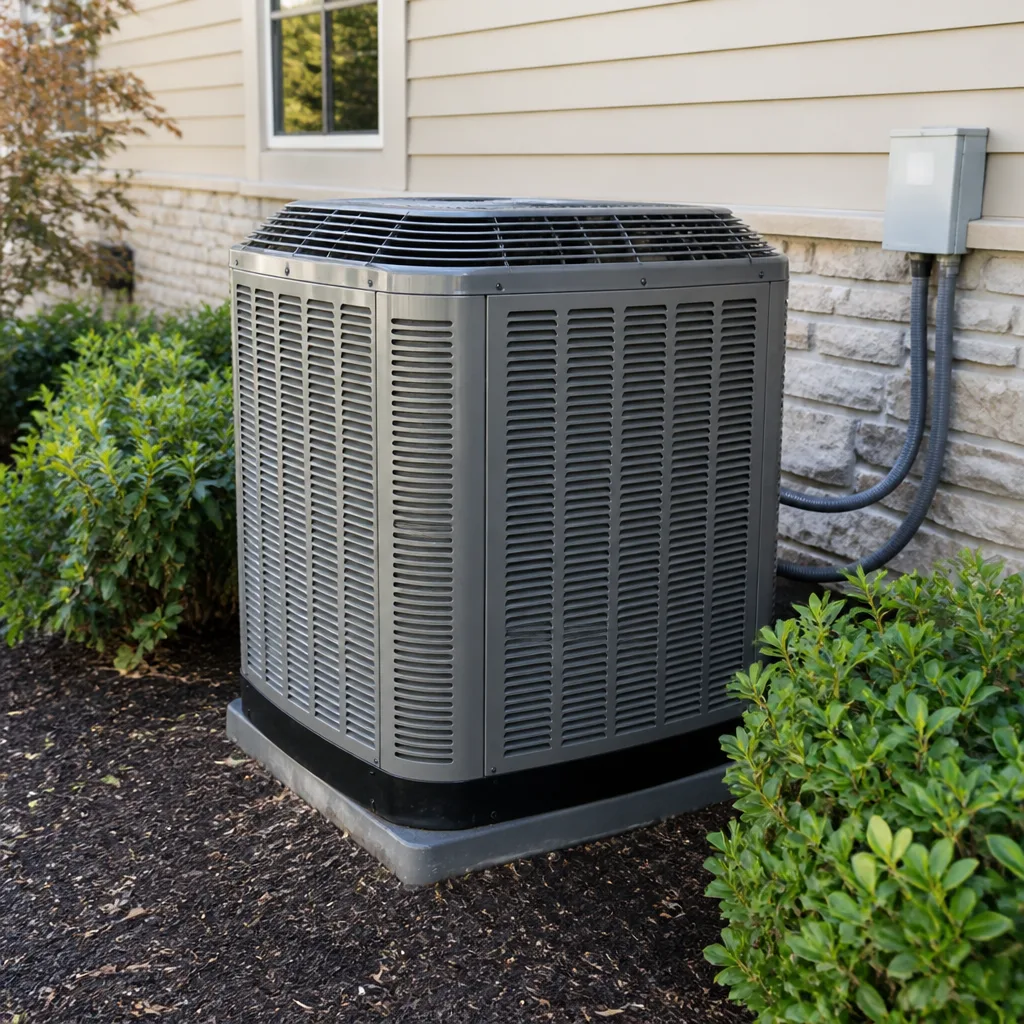 Trane
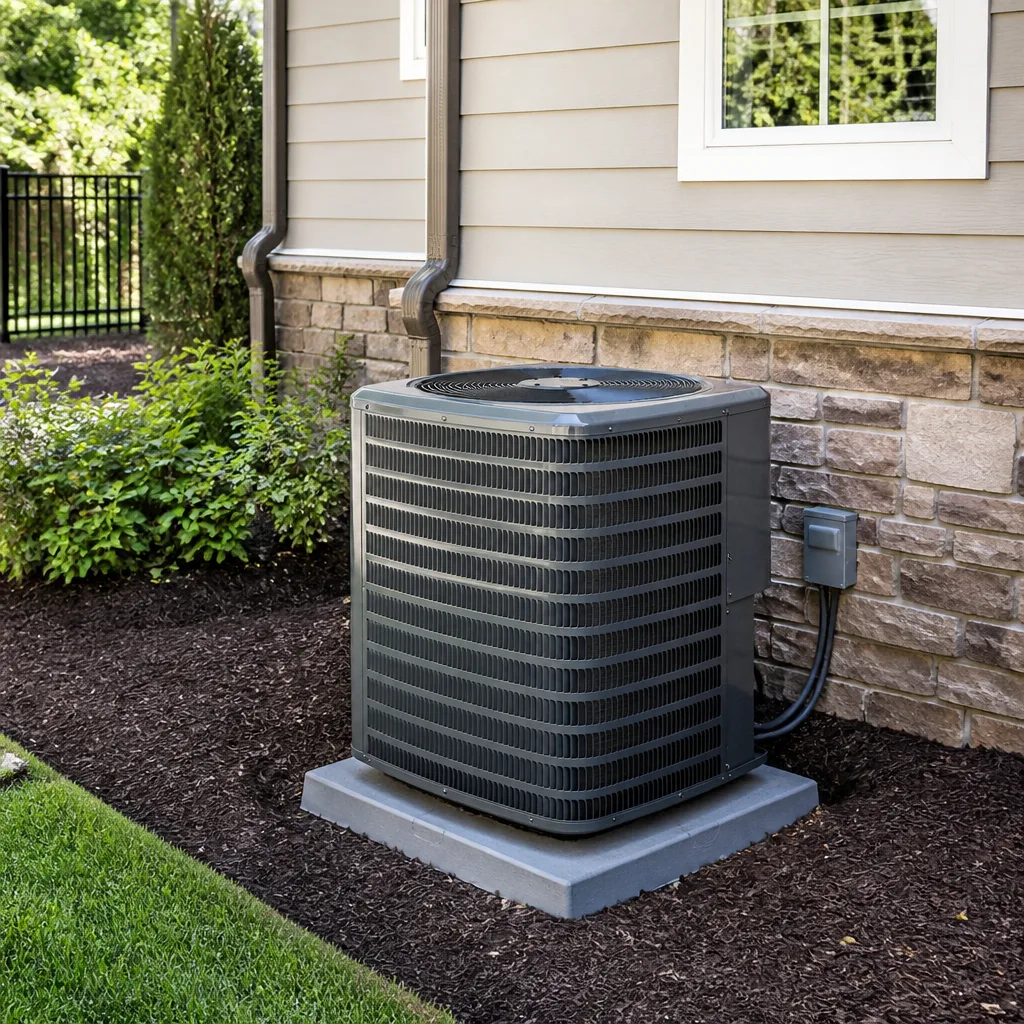 Goodman
Seasonal tune-up and full diagnostic on your Carrier, Trane, or Goodman system - readings shown to you before any repair is proposed
Diagnosis first, numbers second - you approve the repair price before a single part goes in.
Get your free estimateDIY vs Professional HVAC: The West Valley City Homeowner’s Decision Guide
Replacing your own capacitor costs about $20 in parts. Doing it on equipment still under a manufacturer’s parts warranty can void that entire coverage, and the clause that says so is buried in a document almost nobody reads. That’s the part of the DIY conversation most homeowners never hear. The cost of a part is easy to look up. The cost of a voided warranty, a refused claim, or a code violation on your own furnace is not. In this guide, we’ll draw a clear line between what’s safe and legal to handle yourself in West Valley City, what the warranty language actually means, and what legally requires a licensed Utah mechanical contractor.
Quick Answer
You can safely and legally handle filter changes, thermostat swaps, condensate line flushes, and outdoor unit cleaning on your own home in Utah. Anything involving refrigerant, gas piping, electrical connections inside the unit, or the sealed refrigeration circuit requires a licensed mechanical contractor under Utah law, and those same tasks are the ones that void manufacturer warranties when done by an unlicensed hand. The dividing line isn’t cost. It’s liability and warranty.
Styles & brands we work with
- AC repair
- Furnace & heating
- Heat pumps
- Ductless mini splits
- Carrier
- Trane
- Goodman
Table of Contents
- What Utah Law Actually Allows a Homeowner to Do
- Warranty Language Audit: What “Professional Installation Required” Really Means
- The Safe DIY Tasks (With Real Instructions)
- Why Refrigerant Is Not a DIY Gray Area
- How to Document DIY Maintenance So It Doesn’t Bite You Later
- Why West Valley City’s Climate Changes the Math
- When to Call a Professional
What Utah Law Actually Allows a Homeowner to Do
Utah is a state that regulates mechanical work under the Utah Uniform Building Code and the Division of Professional Licensing, and the practical outcome is this: a homeowner can do maintenance and minor component swaps on their own single-family residence, but anything that touches the mechanical system’s regulated components requires a licensed contractor. That includes the sealed refrigerant circuit, gas piping and connections, electrical work inside the air handler or furnace cabinet, and any task that would require a permit under the mechanical code. If you’re a renter, none of the DIY exceptions apply; every task on this page requires a licensed professional when you’re renting.
The line isn’t arbitrary. The state’s reasoning is that a furnace miswired by a homeowner can produce carbon monoxide, and a refrigerant circuit improperly opened can vent regulated chemicals into the atmosphere. Those two risks are what most of the licensing rules exist to prevent. In our experience across West Valley City, the majority of DIY calls that turn into real repairs are cases where a homeowner crossed that line by accident, usually because a video made an electrical or gas swap look like a five-minute job.
What a homeowner can legally do on their own residence
- Replace air filters of the same size and rating
- Swap a thermostat that uses the same wiring configuration
- Clear a condensate drain line
- Rinse the outdoor condenser coil from the outside with a garden hose
- Clean debris from around the outdoor unit
- Reset a tripped breaker at the panel
- Change batteries in a thermostat or a carbon monoxide detector
What requires a licensed mechanical contractor
- Any refrigerant charge, recovery, or sealed circuit work (federally regulated)
- Gas line connections, valve replacements, or furnace gas valve work
- Electrical connections inside the furnace, air handler, or condenser cabinet
- Compressor, blower motor, or control board replacement
- Ductwork changes that alter airflow
- Any task that would trigger a mechanical permit
- Any work on a rental property, regardless of size
For tasks in that second list in West Valley City, we connect you with independent local professionals who carry the right licensing, and our own furnace repair team handles exactly that tier of work.
Warranty Language Audit: What “Professional Installation Required” Really Means
Manufacturer warranties from Trane, Lennox, Goodman, Rheem, and the rest of the major brands carve out coverage in three places: installation requirements, service requirements, and exclusions for damage caused by improper service. The words to hunt for in your own warranty document are “professional,” “qualified,” “licensed,” and “authorized.” Those four terms are not synonyms, and the difference matters a lot for a West Valley City homeowner deciding whether to try a repair themselves.
Here’s how the language usually reads, in plain English:
- “Professional installation required” is the clause that voids parts coverage if the original install wasn’t done by a licensed contractor. For most major brands, this is the single most common denial reason.
- “Authorized technician” usually means a technician certified by that specific manufacturer. This shows up more often on premium extended warranties than on the standard parts warranty, and the effect is that a repair by anyone else can void the extended portion.
- “Qualified technician” is the loosest term; it generally means a licensed HVAC contractor, not specifically a brand-certified one.
- Exclusion for “damage from improper service” is the catch-all. If a homeowner opens the sealed circuit, installs a component incorrectly, or causes a follow-on failure, the manufacturer can deny the claim for that failure without voiding the whole warranty.
The practical takeaway: replacing your own capacitor on a unit still under parts warranty can void the entire parts coverage if the manufacturer reads it as improper service. That is a very expensive twenty-dollar saving. It’s also why we tell West Valley City homeowners to check the warranty document before picking up a wrench, not after.
How to check your own warranty in five minutes
- Find the model and serial number plate on the outdoor unit or the furnace cabinet.
- Look up the manufacturer’s current standard warranty for that model on their website.
- Read the “Installation Requirements” section first, then “Exclusions.”
- Check whether the extended warranty (if any) was registered at install.
- Note the warranty start date and remaining coverage; if you can’t find it, the installer’s paperwork usually has it.
The Safe DIY Tasks (With Real Instructions)
These four tasks are legal for a homeowner in West Valley City, they’re safe when done correctly, and they don’t touch any warranty-voiding territory. Doing them well is the difference between a system that runs efficiently for years and one that starts failing on the hottest week of July. None of them require tools beyond a screwdriver, a hose, and a shop vac.
1. Air filter replacement
- Turn the system off at the thermostat.
- Locate the filter slot, usually at the return grille or the side of the air handler.
- Note the arrow on the old filter pointing in the direction of airflow.
- Slide the new filter in with the arrow matching.
- Replace every 1-3 months in a West Valley City home; more often if you have pets or run the system heavily through July and August.
Use the same size and MERV rating. A higher MERV is not automatically better; too-high filtration on a system not designed for it strains the blower and can shorten motor life.
2. Thermostat swap
- Take a photo of the wiring before touching anything.
- Turn off the furnace breaker at the panel.
- Label each wire by terminal letter (R, W, Y, G, C).
- Disconnect and remove the old thermostat base.
- Mount the new base and reconnect in the same configuration.
- Restore power and test heat and cool cycles separately.
If your new thermostat needs a C-wire and your current setup doesn’t have one, stop there. Running a new wire is electrical work and belongs to a professional.
3. Condensate line flush
- Locate the PVC drain line leaving the indoor coil; it usually exits near the furnace or air handler.
- Find the cleanout tee or the drain pan.
- Pour a cup of white vinegar or distilled water slowly through the line.
- Watch for flow at the exterior termination point.
- If water backs up, a shop vac at the exterior end will usually pull the clog out.
Utah’s dry air doesn’t mean the AC drain stays clear; condensate still forms in the summer, and a clogged line is one of the most common West Valley City service calls we see in July.
4. Outdoor condenser cleaning
- Turn the system off at the thermostat and the breaker.
- Clear leaves and debris from the top and sides.
- Rinse the coil fins gently with a garden hose from the outside in.
- Straighten any visibly bent fins with a fin comb if you have one.
- Let it dry, then restore power.
Never use a pressure washer. It flattens the fins and permanently reduces the coil’s ability to reject heat.
Why Refrigerant Is Not a DIY Gray Area
Refrigerant handling in the United States is regulated by the EPA under Section 608 of the Clean Air Act. That regulation requires anyone who handles refrigerant, including charging, recovering, or opening a sealed circuit, to hold a Section 608 certification. It doesn’t matter that the same job looks simple on a video. It’s a federal rule, not a suggestion, and no amount of YouTube instruction changes the legal status of a homeowner cracking the service valves on their own equipment.
Two things make this more than a technicality. First, refrigerant vented to the atmosphere is an environmental violation, and the fine structure exists to deter it. Second, and more practically for the homeowner, an improperly charged system doesn’t just underperform; it can slug the compressor with liquid refrigerant and destroy the most expensive part of the whole system. We’ve seen West Valley City systems fail within a single season after a homeowner topped off the charge from a can.
Beyond the legal side, the diagnostic question behind a low charge is the real work. Refrigerant doesn’t “get used up.” If the pressure is low, there’s a leak, and finding the leak requires gauges, a recovery machine, and often a nitrogen pressure test. None of that is available at a hardware store, and none of it is legal without certification.
That said, checking for the visible signs of a low charge is not DIY: ice on the suction line, ice on the indoor coil, or a system that runs constantly without cooling. Those three are your cue to call in a licensed technician, and our AC installation and repair team can diagnose the leak and confirm whether a repair or a replacement is the better money.
How to Document DIY Maintenance So It Doesn’t Bite You Later
A homeowner who’s done careful, correct DIY maintenance has nothing to hide and plenty to gain from a paper trail. The problem is that almost nobody keeps one. When a warranty claim, a home sale inspection, or an insurance review comes up two or three years later, the maintenance history vanishes and the manufacturer or the inspector has no way to credit the homeowner for the work that was done.
Here’s what actually protects a West Valley City homeowner:
- Keep receipts for every filter, thermostat, and part you buy. A file folder or a photo album on your phone works fine.
- Write the date and the task on the receipt. “Filter swap, 20x25x1, MERV 8” tells a future reader more than the receipt alone.
- Photograph the work. A quick shot of the new filter in place or the clean condenser coil is worth more than a note.
- Keep every professional invoice. Installation, service, and repair paperwork is the backbone of a warranty claim.
- Note the model and serial numbers, and the install date, on the same document. Those three identifiers are what every manufacturer asks for.
- Store it all in one place. A physical folder near the furnace and a digital backup is the practical setup.
Documenting what you did yourself does more than protect you in a warranty dispute. It makes the next service call faster. When a technician can see what’s been done and when, diagnosis gets sharper and the resulting invoice is lower.
Why West Valley City’s Climate Changes the Math
West Valley City sits in the Salt Lake Valley, which means two specific climate realities shape the DIY-versus-professional decision. First, summers routinely push into triple digits and the cooling season runs hard from June through early September. Second, winter brings deep cold snaps and, in the valley, persistent inversions that trap pollutants for days at a time. Neither of those facts is optional background. They change what equipment fails, when it fails, and how much a deferral costs.
The summer load is the big one. An AC system running continuously through a July peak is operating near its design limit, which is when a marginal capacitor, a low refrigerant charge, or a clogged coil tips into failure. Filter changes in a West Valley City home in July matter more than they would in a milder climate, because the system is running hard and every degree of lost airflow multiplies. In our experience, the majority of July service calls on the east side of West Valley City involve systems that were running with a filter that should have been swapped weeks ago.
Winter is a different calculation. An inefficient furnace doesn’t just cost more to run; during an inversion period, combustion problems become genuinely serious because there’s no clean air to dilute a CO leak. That’s why anything that touches the combustion side of a furnace, gas connections, the heat exchanger, or the flue, is not on the DIY list no matter how confident a homeowner feels. A qualified technician should check the heat exchanger and confirm combustion airflow before every heating season. Getting this right across the Salt Lake Valley is a core part of what West Valley City homeowners hire us for.
One more local reality: Utah’s dry air means filters clog faster than homeowners expect during wildfire smoke season, and dust from the west-side construction corridor accelerates the same. Check the filter every 30 days through the summer, not every 90.
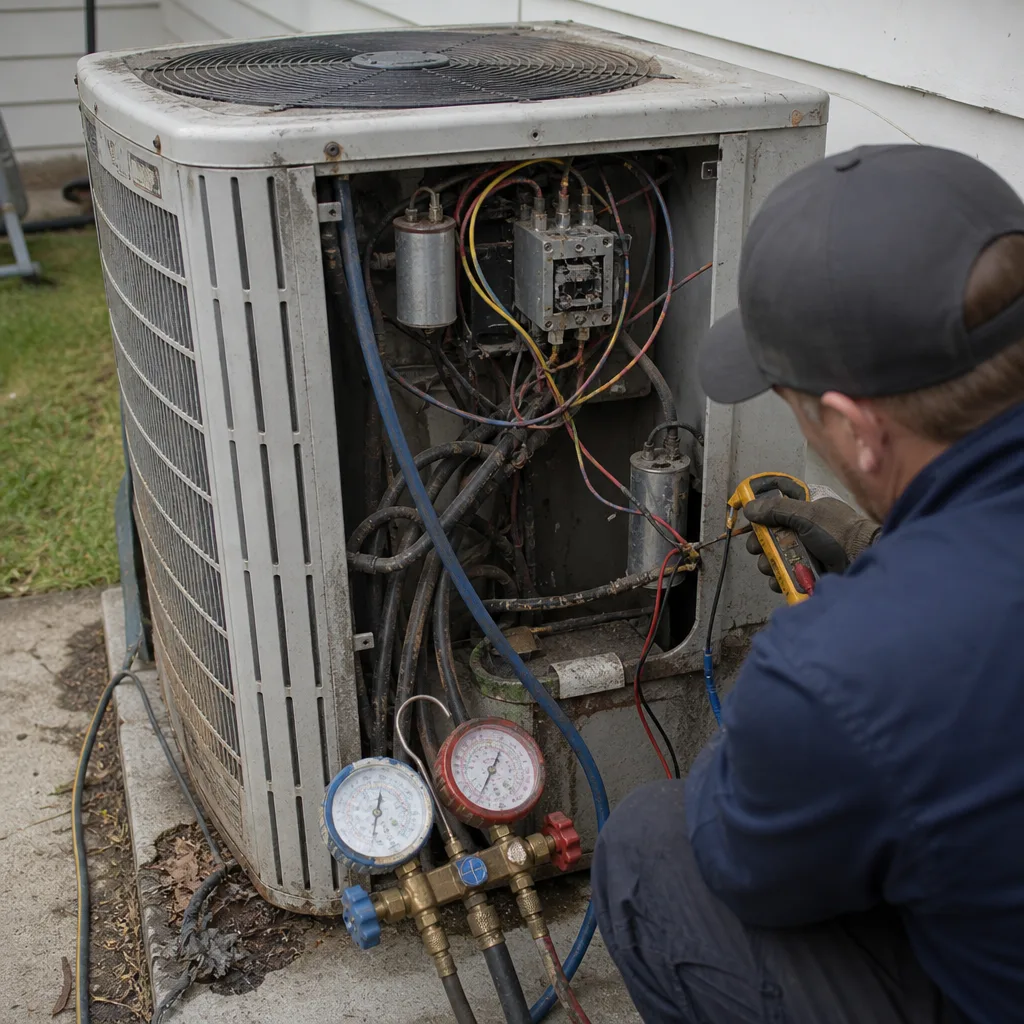
See the difference
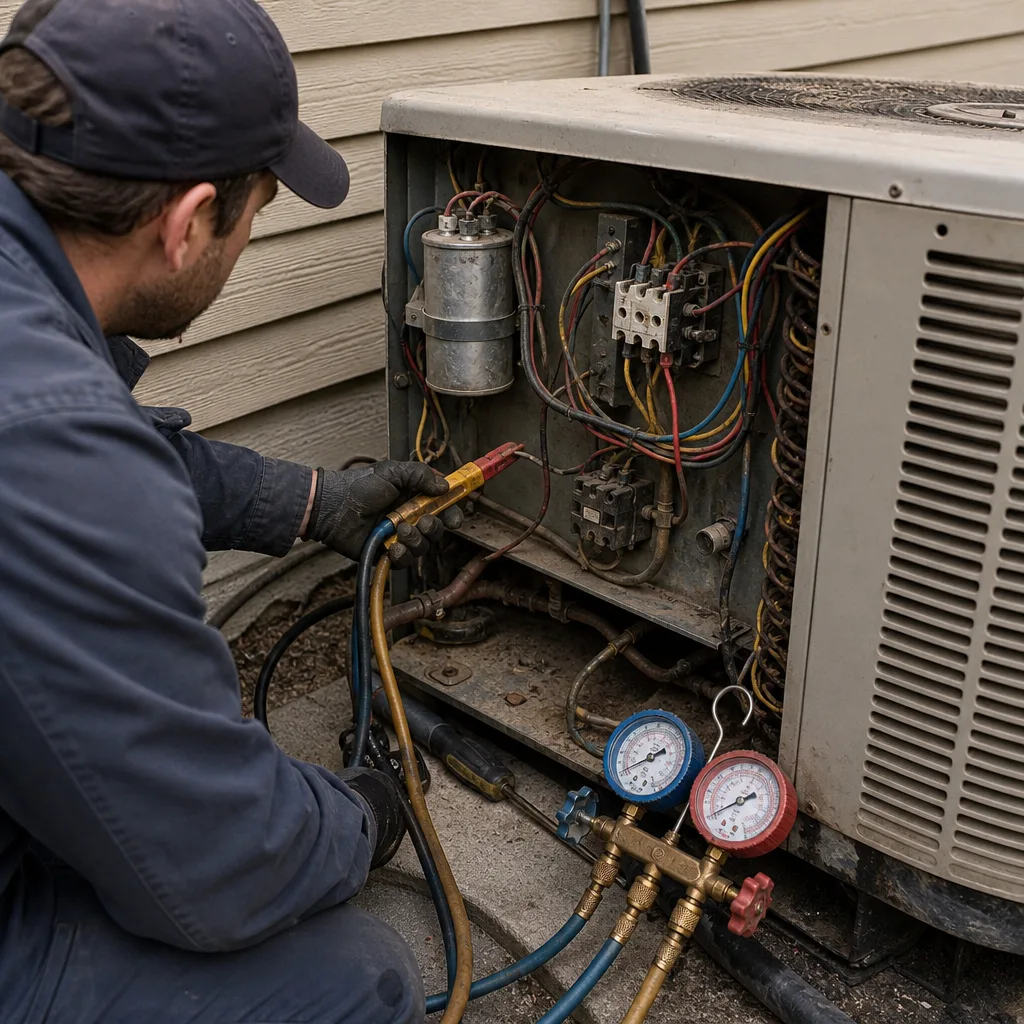 Before
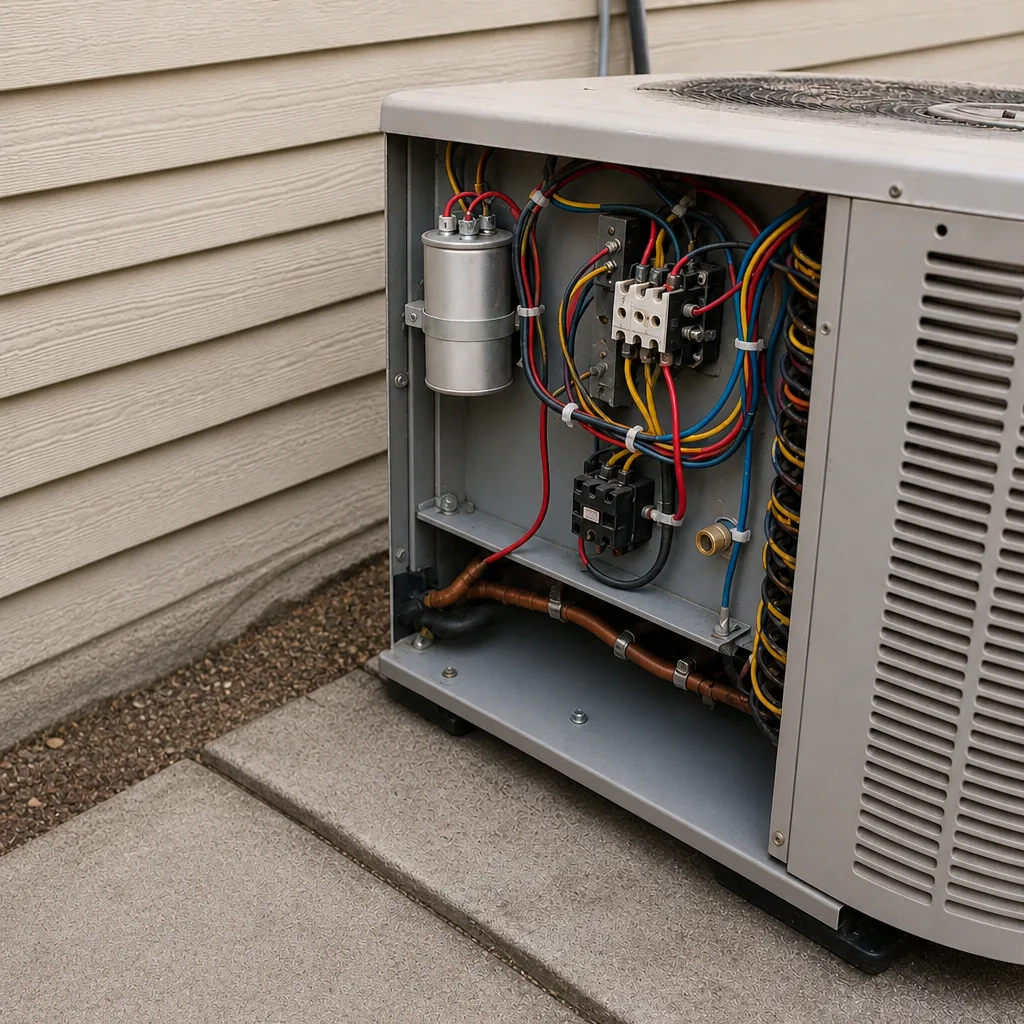 After
 Before
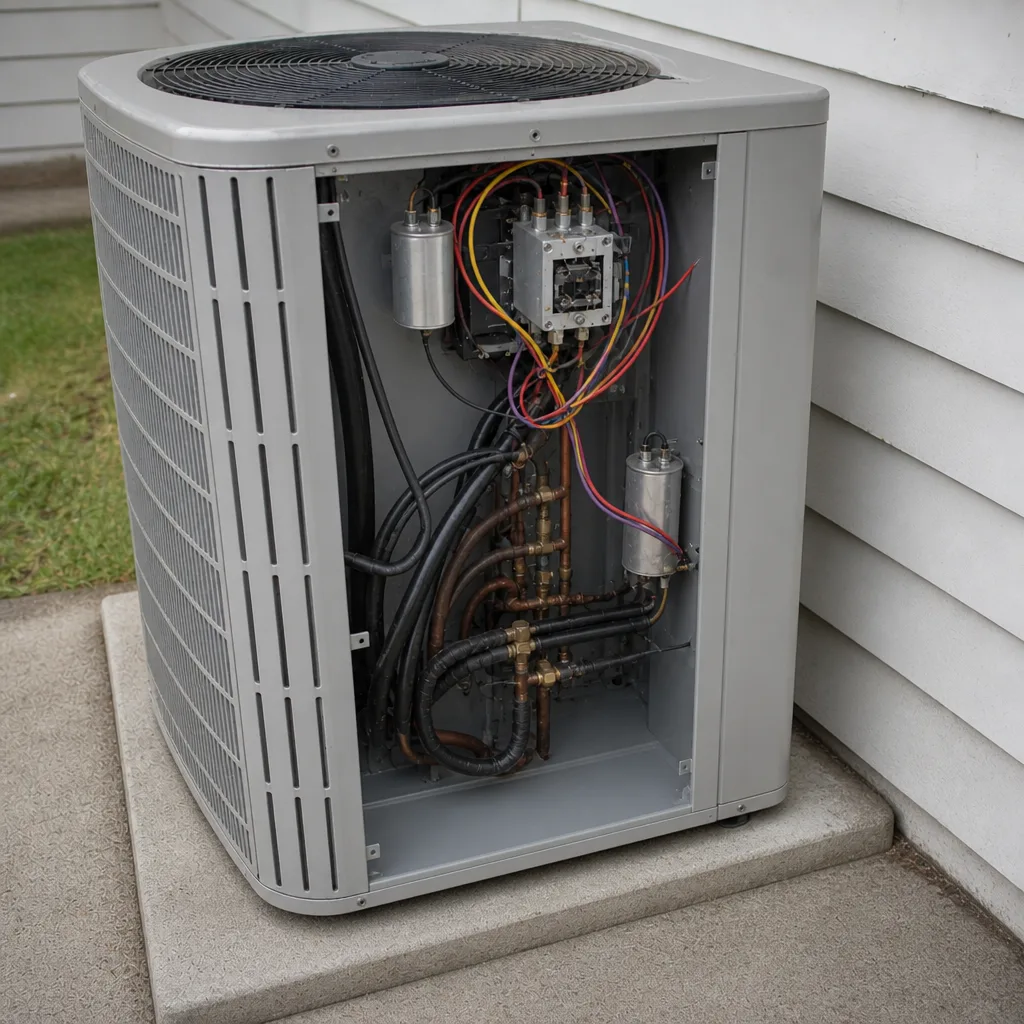 After
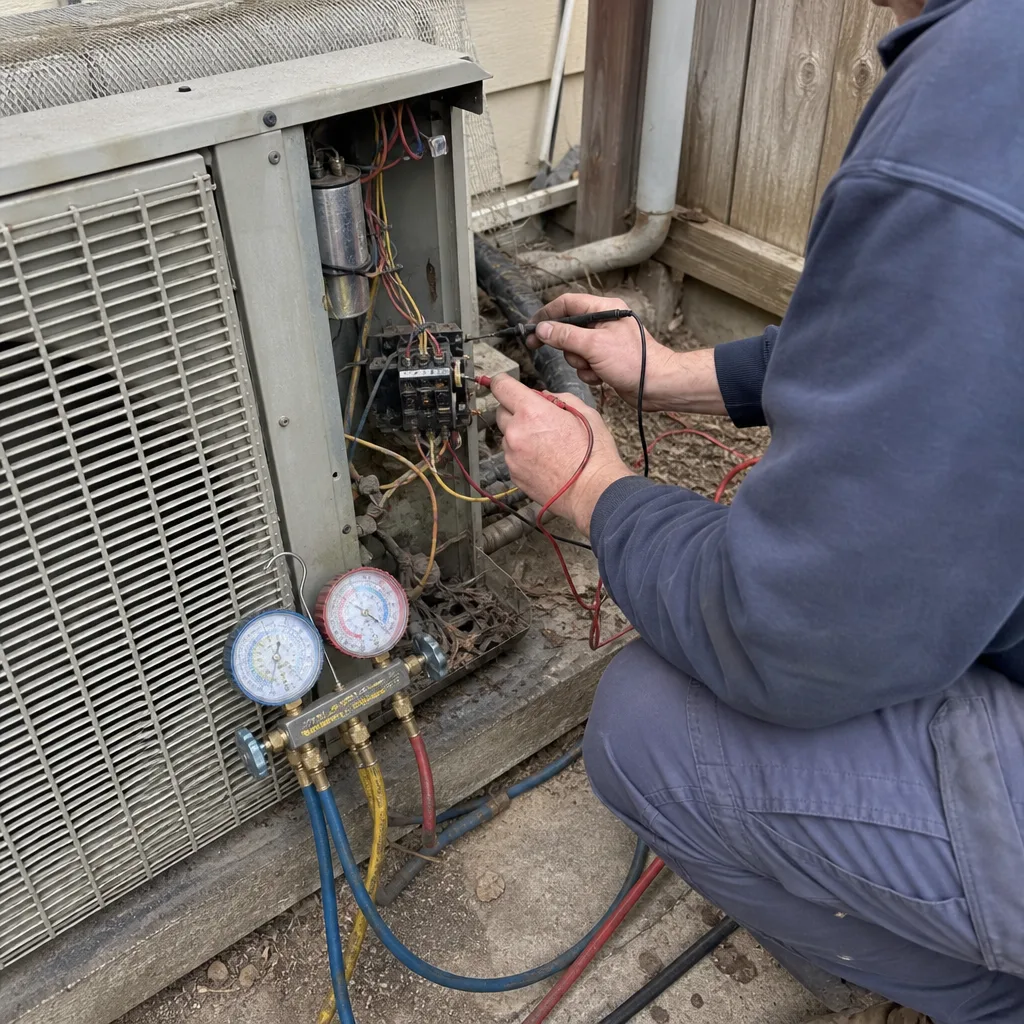 Before
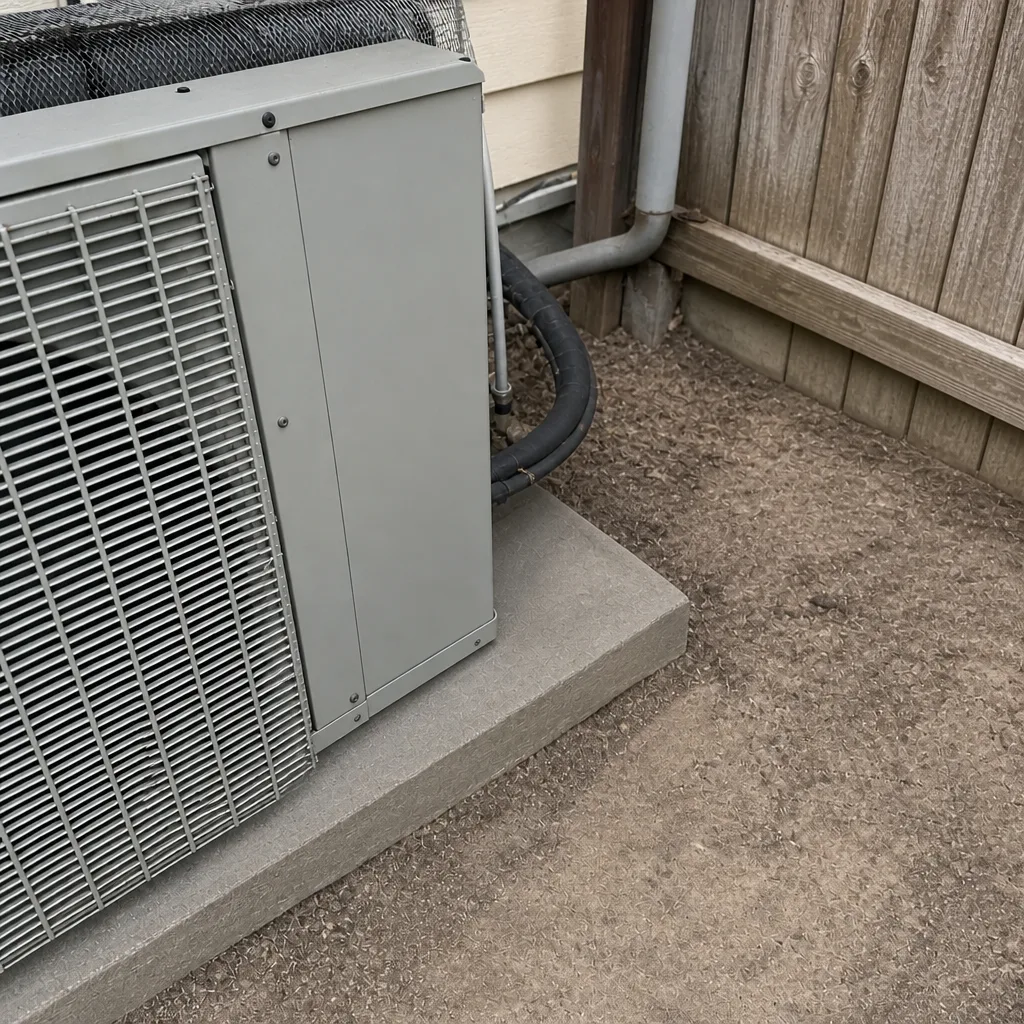 After
Common Mistakes to Avoid
- Trusting a video over the warranty document. A YouTube repair that works on a system out of warranty can void the warranty on a system still covered. Read the installation and exclusion sections before you start.
- Topping off refrigerant from a can. It’s a Section 608 violation, it masks the real leak, and it can destroy the compressor. There is no safe version of this from a homeowner’s hands.
- Using a higher-MERV filter than the system was designed for. It looks like an upgrade and it strains the blower. Stick with the MERV the manufacturer specifies.
- Ignoring the condensate line through the summer. A clogged line in a West Valley City July causes water damage to the ceiling below the air handler. Flush it every month.
- Running the AC with ice on the lines. Ice means low refrigerant or restricted airflow. Running it that way risks the compressor. Turn it off and call.
- Resetting a tripped breaker more than once. A furnace or AC breaker that trips once is a nuisance. One that trips twice is telling you something is wrong inside the cabinet, and that’s a licensed-technician job.
- Skipping the fall heat-exchanger check. A cracked heat exchanger during an inversion sends carbon monoxide into a sealed home. That’s the single most dangerous deferral on this list.
When to Call a Professional
Call a licensed professional the moment any of these signs show up in a West Valley City home: ice forming on refrigerant lines, a burning smell at the furnace, a gas smell, carbon monoxide detector chirps, a system that trips its breaker twice, refrigerant that’s low, a noisy compressor, or a furnace that runs but doesn’t heat. Those are all cases where the DIY boundary has been crossed and the risk is real. So is any job on a rental property, any task that would need a permit, and any repair on equipment still under warranty where “professional service” language applies. Oakridge AC Repair offers free estimates in West Valley City – call (844) 945-2917. We answer 24/7, with fast dispatch from 7am to 7pm, Sunday through Friday. Our technicians have up to 9 years of experience and work on nine of the industry’s most recognized brands, from Trane and Lennox to Goodman and Rheem.
Frequently Asked Questions
You can legally do maintenance tasks like filter changes, thermostat swaps, condensate line flushes, and outdoor coil cleaning on your own residence in Utah. Anything involving refrigerant, gas piping, electrical connections inside the cabinet, or work that would trigger a mechanical permit requires a licensed mechanical contractor. If you rent the property, every task requires a licensed professional.
It can, and the clause is almost always in the fine print. Most major brands, including Trane, Lennox, Goodman, and Rheem, include language that voids parts coverage if service was performed by someone other than a qualified professional, or that excludes damage from improper service. Reading the installation requirements and exclusions sections before doing any repair is the single most important step.
No. Refrigerant handling is regulated at the federal level under EPA Section 608 of the Clean Air Act, and it requires certification regardless of which system you own. Beyond the legal side, refrigerant doesn’t get consumed; a low charge means there’s a leak, and finding and repairing the leak requires gauges, a recovery machine, and a certified technician. Call us for an exact quote on a leak diagnosis – estimates are free.
Air filter replacement, without question. It’s fast, it requires no tools beyond your hands, and it delivers the biggest efficiency gain of any maintenance task. In a West Valley City summer, change the filter every 30 days during the cooling season. Beyond filter changes, a thermostat swap and a condensate line flush are both safe and legal.
Three factors decide it: the age of the equipment, the cost of the repair versus the cost of a new system, and how often the system has failed in the last two years. A repair that costs a meaningful fraction of a replacement, on equipment past its typical service life, usually means replacement is the smarter money. Our team will give you an honest assessment, and because we sell and service multiple brands, our recommendation is driven by your budget and home requirements – not a single-brand dealership agreement. Call (844) 945-2917 for a free estimate.
Yes, when the new thermostat uses the same wiring configuration as the old one. Snapping a photo of the wiring before disconnecting, labeling each wire by terminal letter, and turning off the furnace breaker are the three steps that prevent most problems. If the new thermostat needs a C-wire that the existing setup doesn’t have, stop and call a professional – running new wire is electrical work.
The Bottom Line
The DIY-versus-professional decision in West Valley City comes down to two things competitors rarely name: legal liability and warranty preservation. You can handle filter changes, thermostat swaps, condensate line flushes, and outdoor unit cleaning on your own residence safely and legally, and you should. Everything involving refrigerant, gas, electrical connections inside the cabinet, or a permit belongs to a licensed mechanical contractor, and so does any job on a rental. The warranty clause is the quiet trap: a $20 capacitor swapped on your own can void an entire parts warranty, and reading the document before you start is the one step that prevents it. Document everything you do. When the system starts losing its charge or the burners smell, stop and call.
If you’re not sure which side of the line a repair falls on, or you want a straight answer on repair versus replacement on the equipment you already own, Oakridge AC Repair connects West Valley City homeowners with independent local professionals who work on Trane, Lennox, Goodman, Rheem, and five more of the industry’s most recognized brands. Heating and cooling handled start to finish, from Oakridge AC Repair. Call (844) 945-2917 for a free estimate. We answer 24/7. Fast dispatch from 7am to 7pm, Sunday through Friday. The estimate is free and the price is set per job by the written estimate, so you’ll know the number before anyone touches the equipment.
Written by the team at Oakridge AC Repair.