
Last updated November 15, 2026
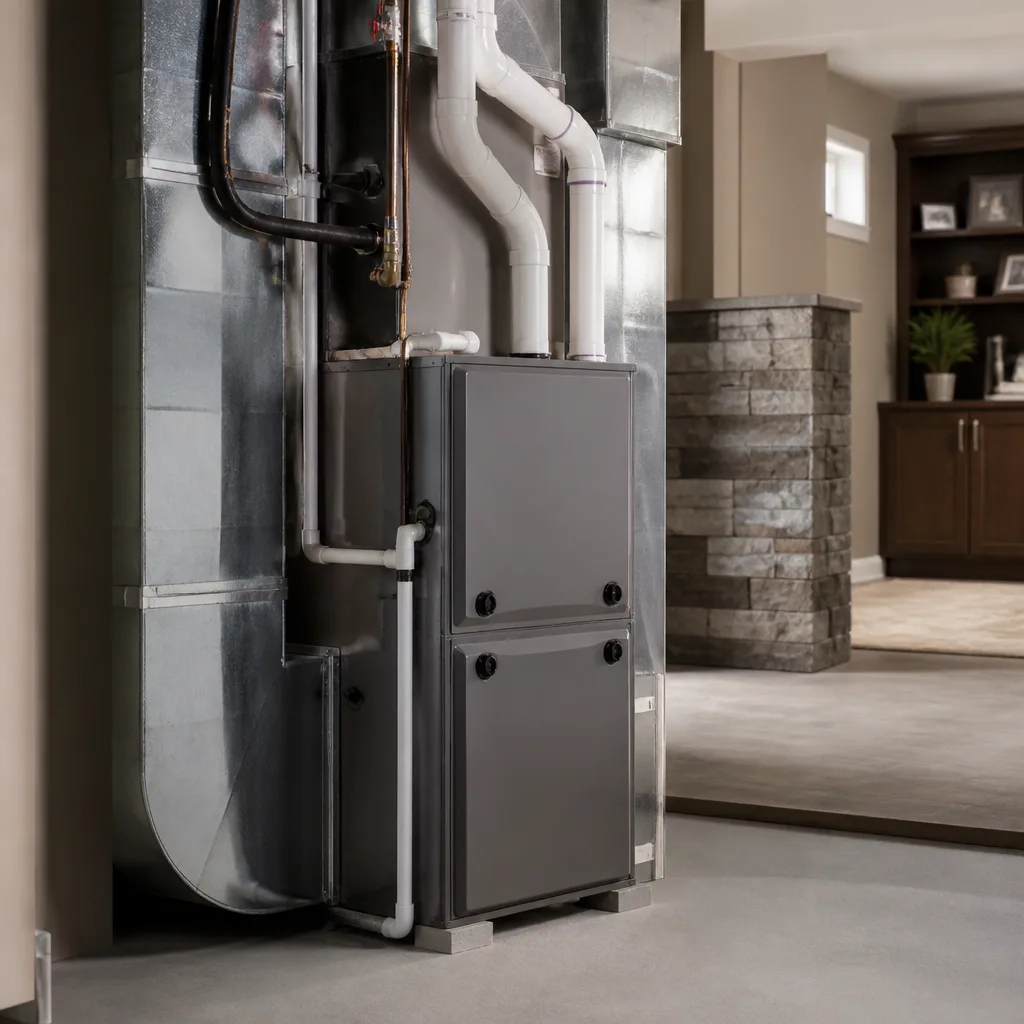 Furnace & heating
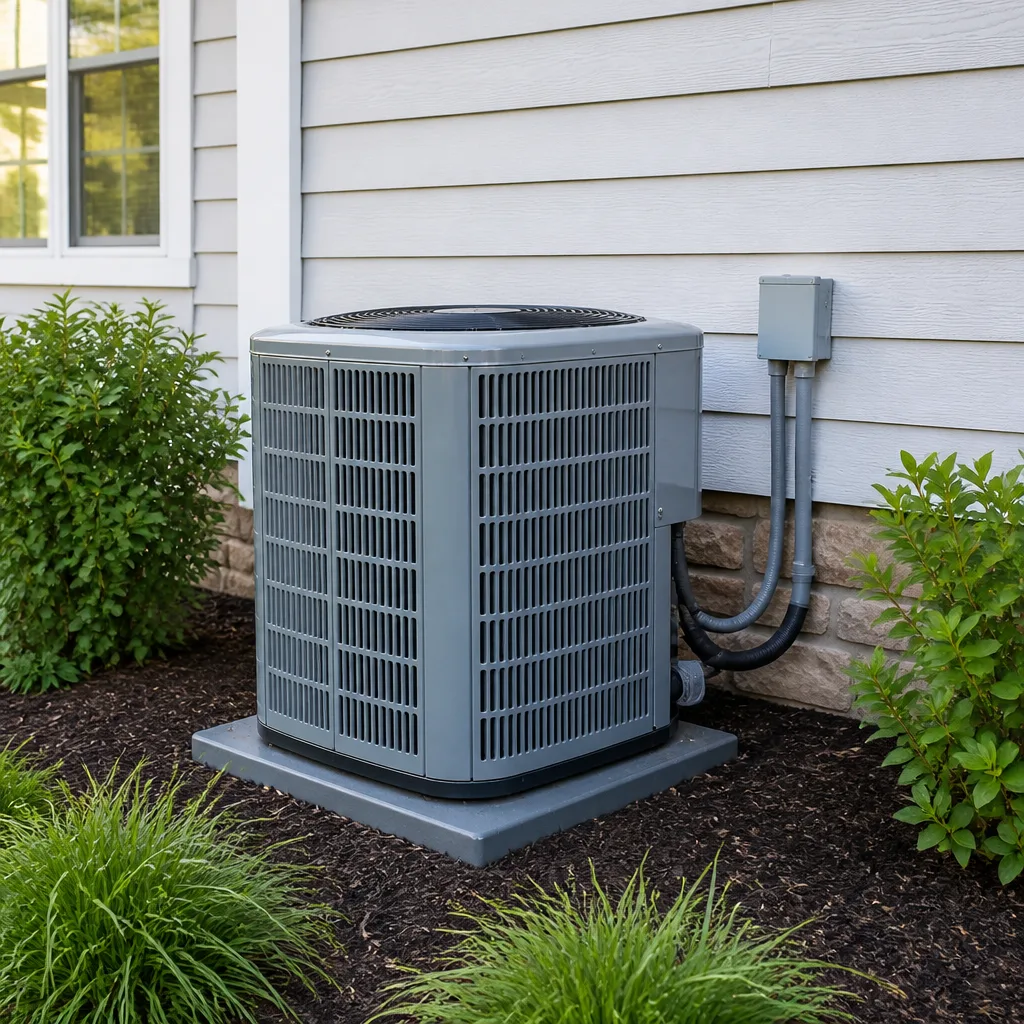 AC repair
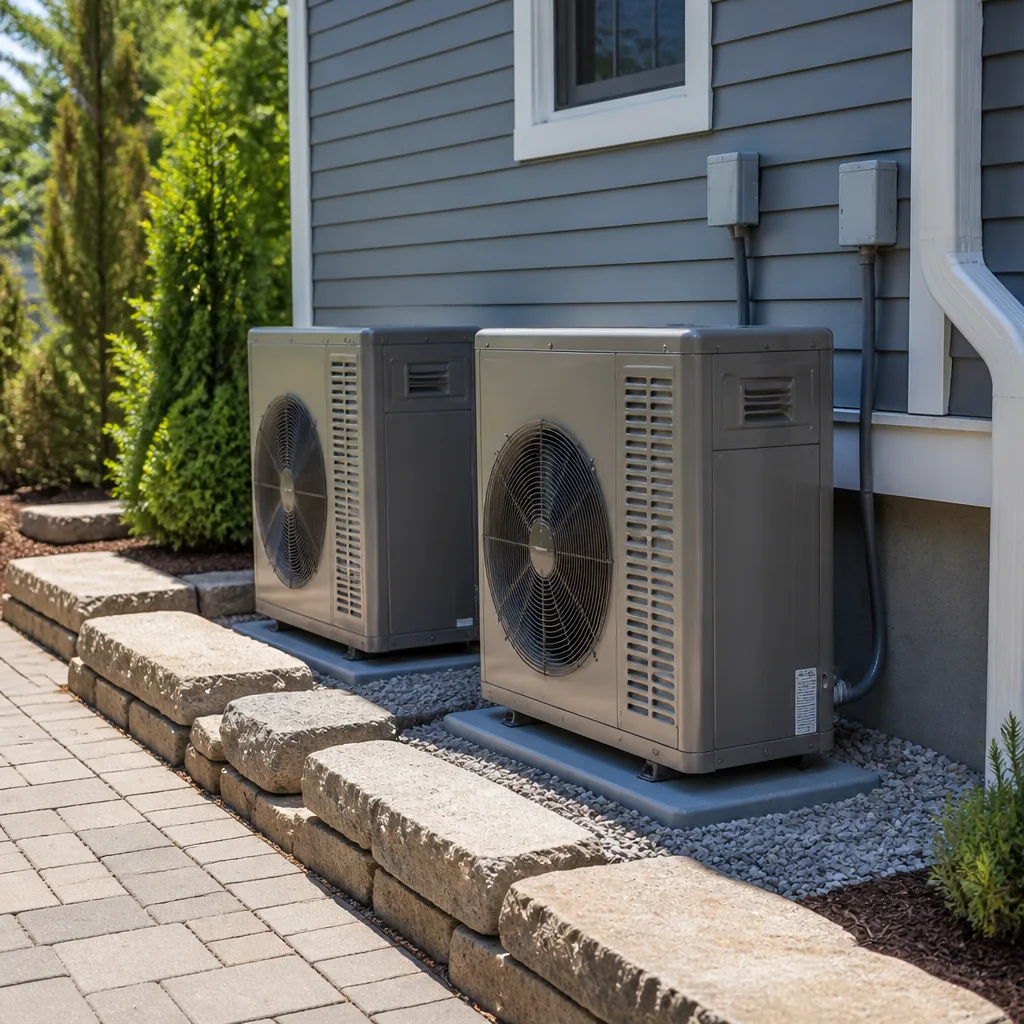 Heat pumps
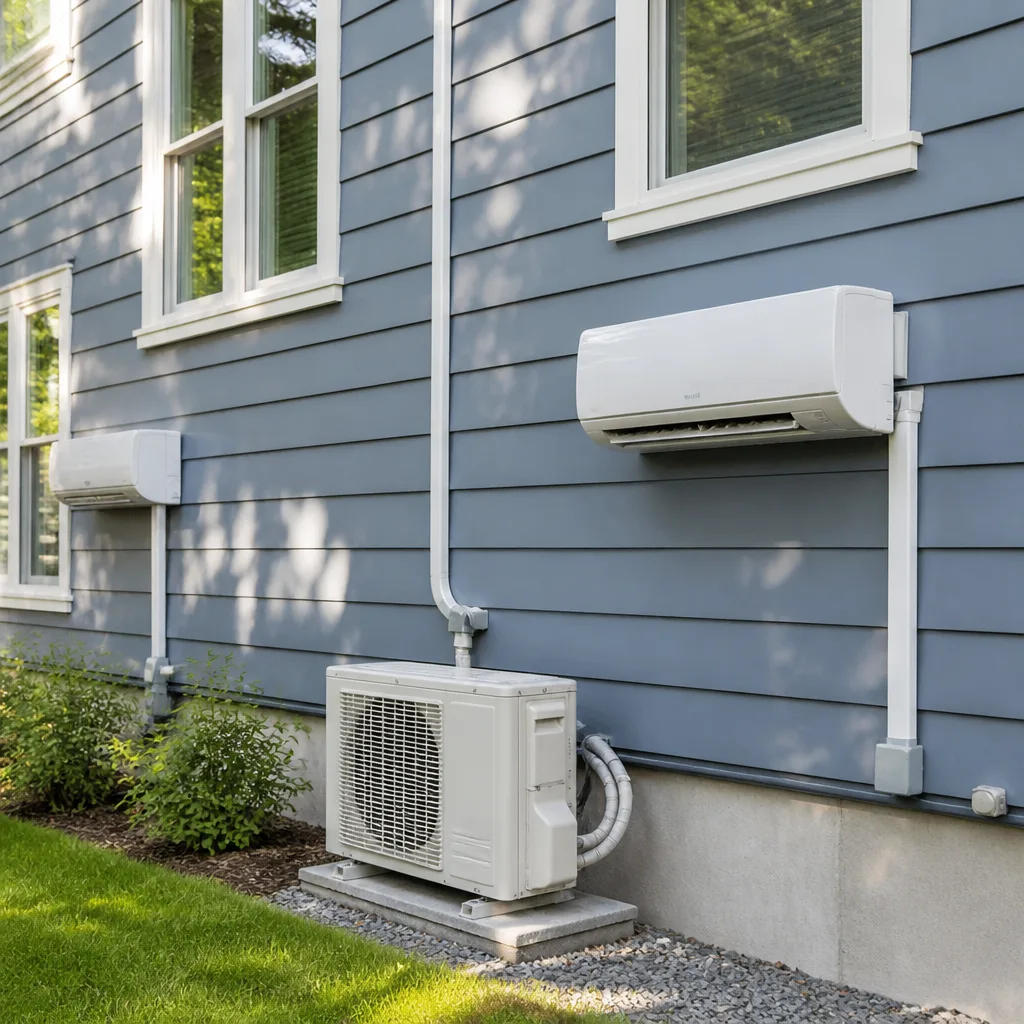 Ductless mini splits
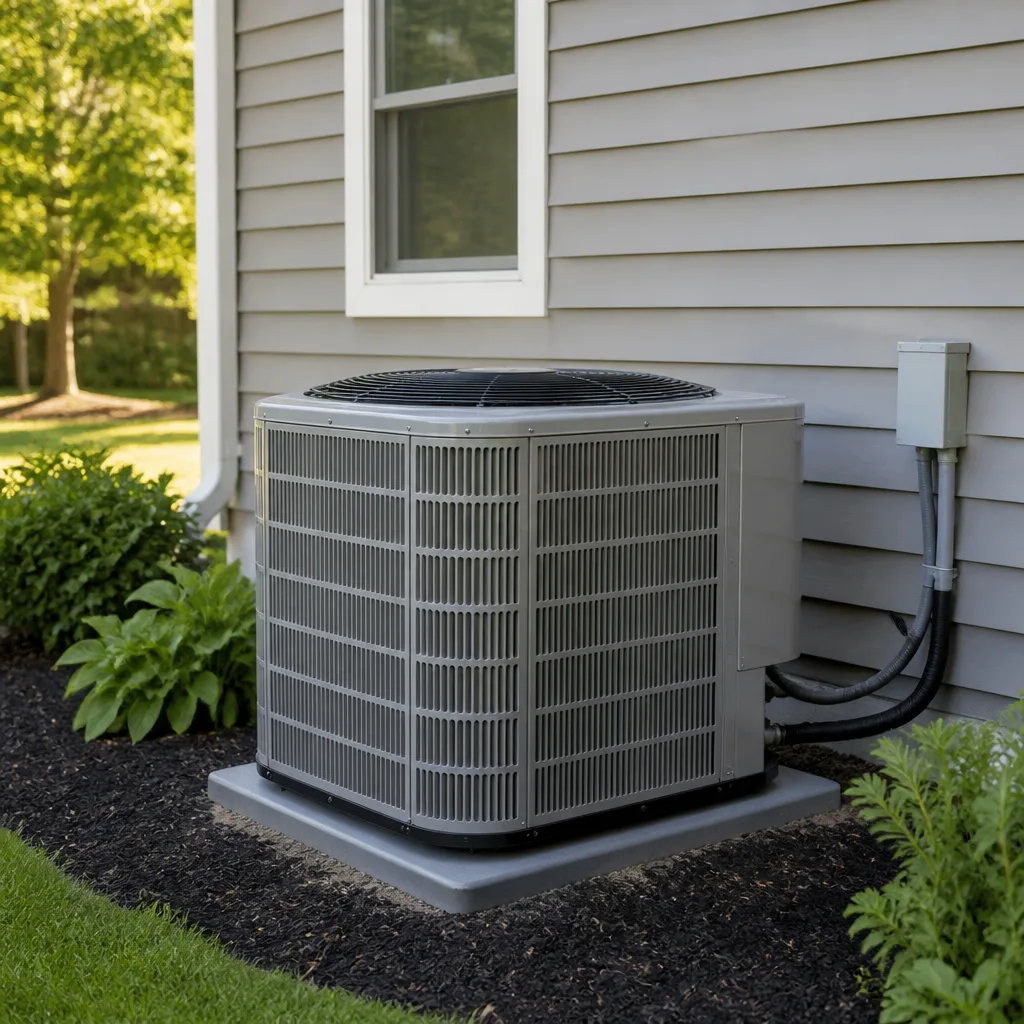 Carrier
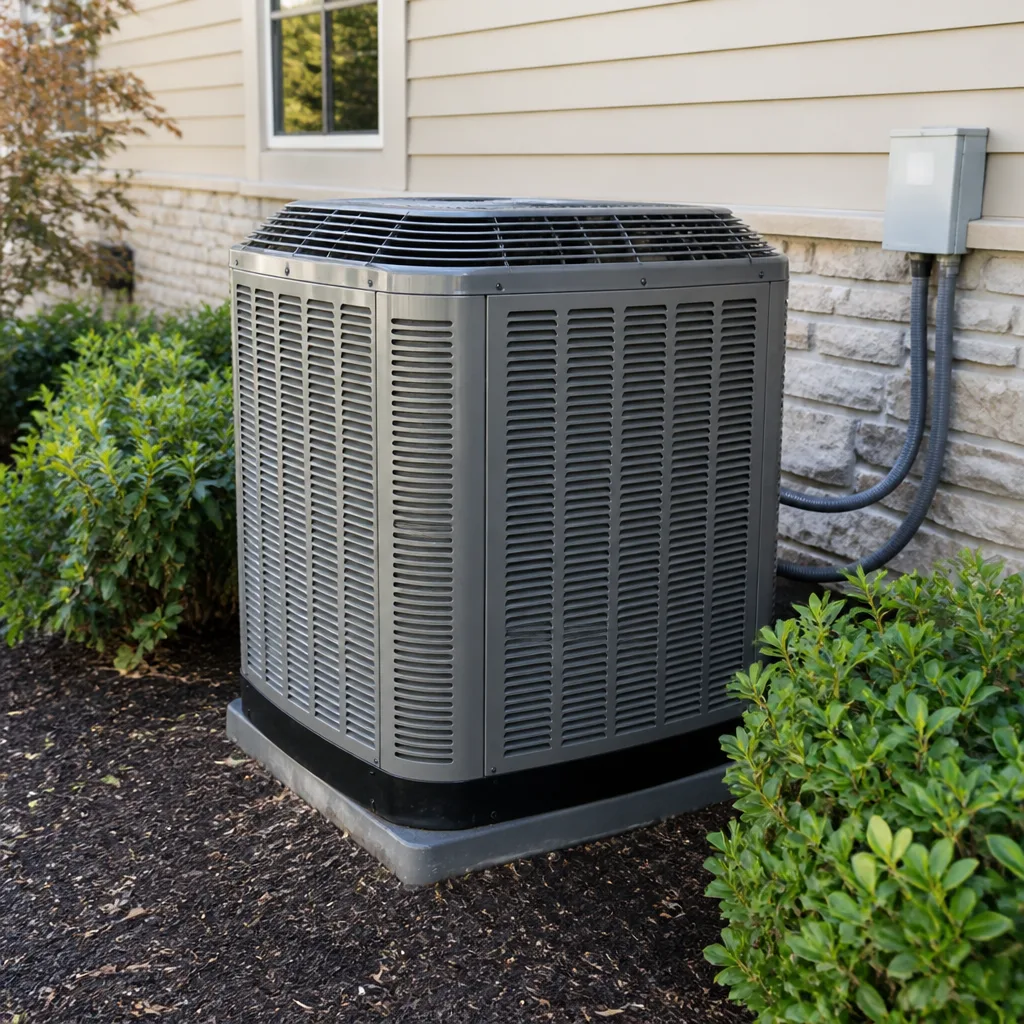 Trane
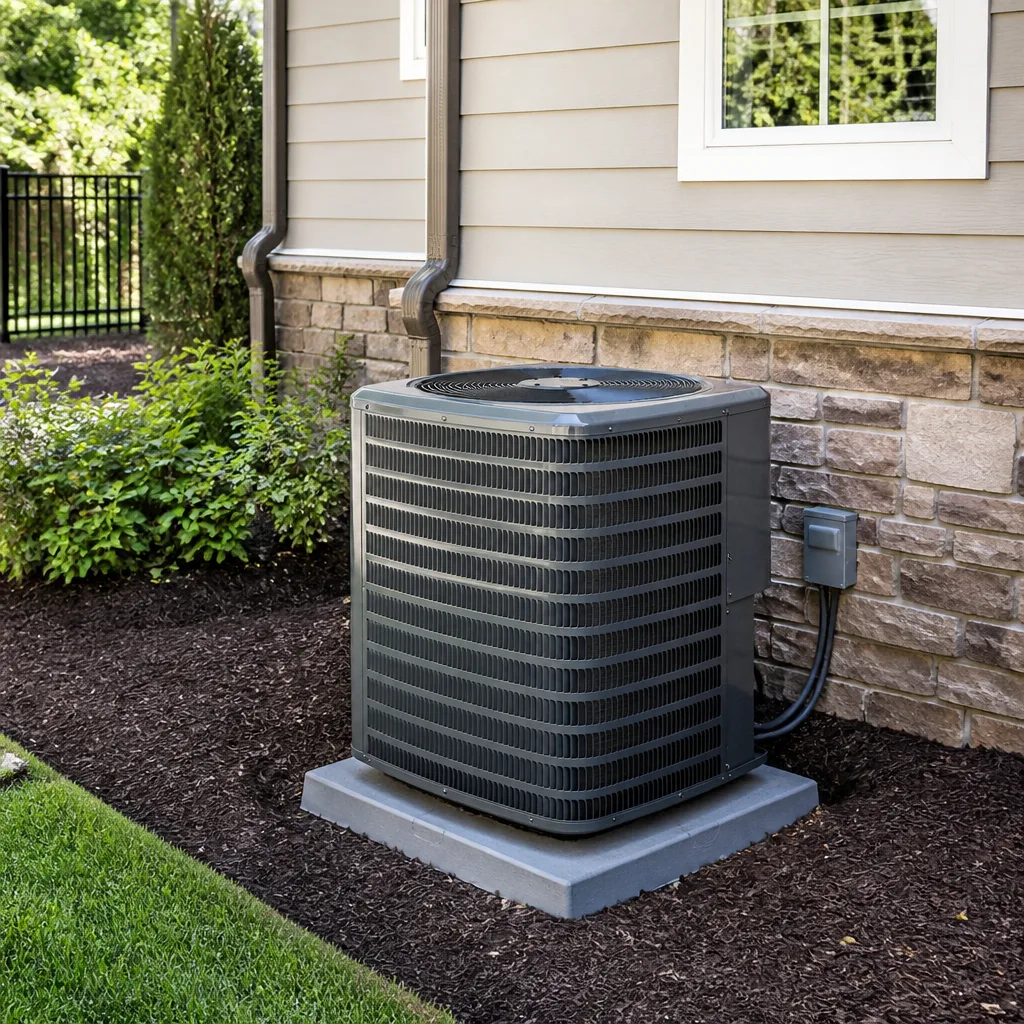 Goodman
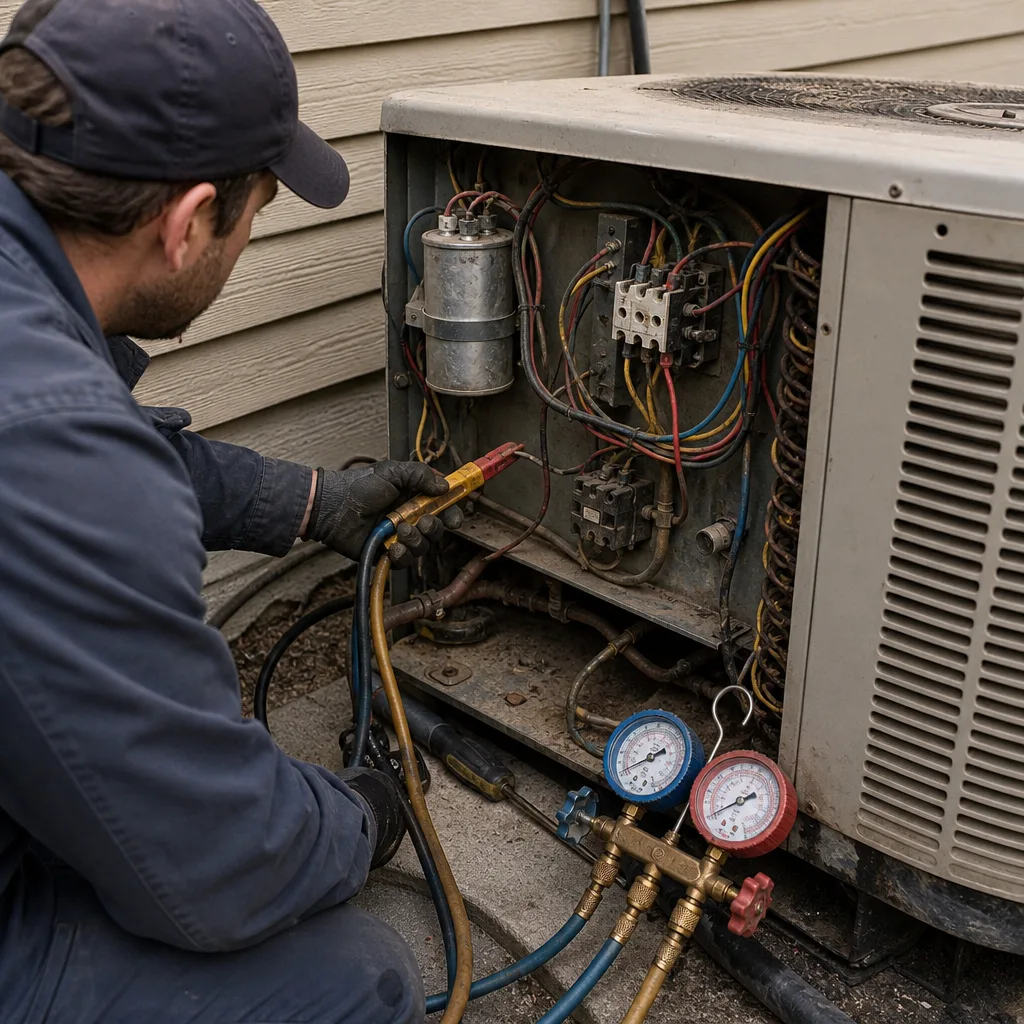
Seasonal tune-up and full diagnostic on your Carrier, Trane, or Goodman system - readings shown to you before any repair is proposed
Diagnosis first, numbers second - you approve the repair price before a single part goes in.
Get your free estimateThe Complete Furnace Replacement Guide for West Valley City Homeowners
West Valley City sits at roughly 4,300 feet above sea level, and that single number changes how a furnace should be sized, rated, and tuned. Most national buying guides are written for a house near sea level, so they skip altitude entirely. They also skip the winter inversions that settle over the Salt Lake Valley, the way our summer dust and pollen load a filter, and the difference between a mechanical code install and a box-store swap. This guide covers all of it, from reading a heat load calculation to the day the new furnace first fires. By the end you’ll know how to buy a furnace that fits your West Valley City home and your climate, not just a box with a familiar logo.
Quick Answer
A furnace replacement in West Valley City is a sizing, altitude, and air-quality decision as much as a brand decision. The right unit is sized to your home through a heat load calculation (Manual J), adjusted for our 4,300-foot elevation, and chosen with an AFUE rating and filtration plan that account for valley inversion season. Expect a written fixed price, an install date, and a system that fits your house, not a catalog average.
Styles & brands we work with
- AC repair
- Furnace & heating
- Heat pumps
- Ductless mini splits
- Carrier
- Trane
- Goodman
Table of Contents
- Why elevation matters for furnace sizing
- Inversion season and what it means for your furnace
- Box-store installs vs. licensed HVAC replacement
- How to read a heat load calculation (Manual J)
- A realistic project timeline from first call to first heat
- Choosing a brand without getting upsold
- Common mistakes to avoid
- Frequently asked questions
Why Elevation Affects Furnace BTU Output in West Valley City
Air gets thinner as you climb, and thinner air holds less oxygen. A gas furnace needs oxygen to burn cleanly, so at 4,300 feet a furnace rated for sea-level performance is running on a mixture it wasn’t tuned for. The result can be lower usable heat output, a flame that doesn’t burn as hot or as clean, and a unit that works harder than it should from the day it’s installed. National buying guides that list a “correct size” by square footage usually ignore this completely.
What does that mean for your purchase? It means the furnace has to be adjusted, often called de-rating or high-altitude setup, so the burner and gas pressure match the air you actually have in West Valley City. A furnace that’s perfect at sea level may need a different orifice or manifold setting here. That’s a step your installer should handle before the unit ever fires for the first time.
What high-altitude setup actually involves
- Confirming the furnace model is rated for installation at altitude, not just “will technically run.”
- Adjusting gas manifold pressure and, when required by the manufacturer, changing burner orifices.
- Checking combustion air and venting, since thinner air changes how draft and exhaust behave.
- Verifying temperature rise across the heat exchanger lands in the manufacturer’s range, not just “it feels warm.”
Because our technicians have up to 9 years of experience working on furnaces in this valley, they know the settings that hold up at our elevation. That’s one of the reasons we’re careful about who recommends what: the wrong setup erases the efficiency rating you paid for. If your current furnace has always felt underwhelming in cold snaps, altitude setup is a reasonable place to start asking questions, and our furnace repair team can check it.
Inversion Season and What It Means for Your Furnace and Filter
In winter, colder air settles into the Salt Lake Valley and traps warmer air above it, holding smoke, dust, and vehicle exhaust close to the ground. That’s inversion season, and it’s a real reason to think about your furnace as an air handler, not just a heater. Every cubic foot of air your furnace pushes through the house is passing through whatever filter you’ve got, and during an inversion the air it’s pulling in carries more fine particulate than it does the rest of the year.
Two choices in a furnace replacement get shaped by this. The first is the filter and filtration setup: the furnace cabinet, return plenum, and blower need to accept a filter thick enough to actually catch fine particles without choking airflow. A one-inch filter in a slot designed for a five-inch media filter is a common upgrade path when we plan a replacement.
The second is AFUE rating and how the furnace is vented. Higher-efficiency condensing furnaces pull more heat from the gas, and their venting setup has to be right. In West Valley City, where cold snaps and inversion days stack up, paying attention to how the furnace breathes is as important as its efficiency number.
What to plan for during inversion season
- Choose a filter with a MERV rating high enough to matter but low enough that your blower doesn’t struggle.
- Plan filter changes more often through the winter, and keep a spare on hand for inversion stretches.
- Check that the furnace’s fresh-air and return-air design can handle the filter you want to run.
- Ask how the furnace is vented, since a room that loses air pressure can pull outdoor air, dust, and cold in through gaps.
An honest AC installation conversation always turns into a furnace conversation here, because the two systems share the same ductwork and the same air path. Our technicians have up to 9 years of experience planning both, which is why we’re comfortable talking filter and duct sizing as part of any replacement.
Box-Store Installs vs. Licensed HVAC Replacement Under Utah Mechanical Code
A furnace sold in a big-box aisle is still a furnace, but the install that follows it is what usually goes wrong. A licensed HVAC contractor replaces a furnace under the Utah mechanical code requirements that apply to gas-fired appliances, venting, combustion air, and the electrical work that powers the unit. A box-store install often runs on a general handyman schedule, which is where the gaps show up.
Why does this matter beyond paperwork? Combustion venting is a safety system. A furnace that’s venting improperly can push carbon monoxide back into a home, and the errors that cause this don’t announce themselves. A licensed HVAC contractor knows the venting, clearances, and combustion-air rules, tests the unit’s temperature rise and manifold pressure, and leaves you with a system that’s safe to run.
What the licensed route should include
- A site visit and a real heat load calculation, not a look at the old furnace’s label.
- A written scope: furnace model, efficiency, venting plan, filter setup, and any duct changes.
- Permit work where required, and inspections a licensed contractor handles as part of the job.
- Startup testing: manifold pressure, temperature rise, combustion check, and airflow verification.
- A walkthrough of the system when the job’s done, including filter maintenance and thermostat setup.
If you’re shopping a box-store package, ask exactly who installs it and what code the installer works under. If you’re replacing through a licensed HVAC contractor, ask for the same details in writing. Oakridge AC Repair works on the brand you already have or on one we install, from American Standard to Carrier to Lennox, and we put the install plan in writing before we start.
How to Read a Heat Load Calculation (Manual J) and Why Square Footage Isn’t Enough
A heat load calculation, usually called Manual J in the trade, is the math that tells you how many BTU per hour your home loses on the coldest day it needs to handle. Square footage is only one input. The shape of the calculation is what matters, and any installer who sizes a furnace from a square-footage chart is guessing.
Here’s what Manual J actually looks at:
- House geometry: the volume of heated space, not just the floor plan square footage.
- Insulation and air sealing: attic, walls, windows, doors, and how leaky the envelope is.
- Windows: size, orientation, glazing type, and how much sun they take in.
- Local design temperature: the coldest expected conditions for the area, which for West Valley City is measured in hard winter cold, not a national average.
- Internal gains: appliances, occupants, and lighting that add heat. These matter more for the cooling side than the heating side, but a full Manual J accounts for them.
- Duct system: how much heat the ducts lose on the way from the furnace to the rooms.
How to sanity-check the number you’re given
Ask for the calculation in writing. You don’t need to do the math, but you can check a few things:
- Does the report list a design temperature for the area? If it’s blank or says “typical,” ask what was actually used.
- Does it show room-by-room results, or just a single total? Room-by-room is the real answer.
- Does the recommended furnace BTU rating match the calculated load, with a bit of margin, not a big jump up?
- Does the report account for altitude? A load calculation done for sea level doesn’t translate cleanly to 4,300 feet.
Oversizing is more common than undersizing, and it causes short-cycling, uneven heat, and wear. Undersizing leaves a house cold in a snap. The right size is the one the math supports. If your furnace is on its last leg and you want a real read on the numbers, our West Valley City team can talk through that calculation before you buy anything.
A Realistic Project Timeline from First Call to First Heat
In a pinch, a furnace replacement can be a tight window. A heat load calculation, equipment order, and install date usually need a little breathing room, and a home with a failed furnace in the middle of a cold stretch can’t wait indefinitely. The timeline below is the honest version, not a sales version.
The steps in order
- Call and talk through the situation: furnace age, symptoms, whether it’s limping or dead, and what you’re hoping to change about your heating. We answer 24/7 at (844) 945-2917, so you’re not stuck waiting for someone to pick up.
- Site visit and measurement: a technician documents the existing furnace, ductwork, venting, and electrical setup, and does the heat load calculation. This is the step that prevents surprises.
- Written estimate: the furnace model, efficiency, altitude setup, filter plan, venting, any duct work, and the final price. It’s a fixed written estimate, so the number you’re quoted is the number you’re agreeing to.
- Equipment ordering: your furnace has to be ordered in the right configuration and altitude setup. This step is where timelines can stretch if the specific model is on backorder, and it’s why starting the conversation before the old furnace dies is worth it.
- Scheduling the install: once the equipment is in, we schedule the install date and confirm access, venting clearances, and any permit timing.
- Install day: old unit out, new unit set, venting and gas connections run, electrical connected, and commissioning checks done.
- Startup and walkthrough: the furnace fires for the first time under our techs’ eyes, with manifold pressure and temperature rise checked. You get a walkthrough and filter instructions.
What causes delays
The honest answer is equipment availability, permit timing, and anything unexpected inside the wall or ductwork. The best way to avoid a delay is to start the conversation while your current furnace still runs. When it still heats, you can get the calculation, the estimate, and the equipment order done without pressure. Our dispatch runs 7am to 7pm Sunday through Friday, and we’re closed Saturday. If your furnace dies on a Saturday, call and we’ll book you into the next opening. Fast dispatch from 7am to 7pm, Sunday through Friday.
How to Choose a Furnace Brand Without Getting Upsold
Furnace brands aren’t the whole decision. The install and the sizing are, and a well-sized, well-set-up furnace from a brand you didn’t expect will outperform a badly sized unit from a brand you did. Because Oakridge AC Repair sells and services multiple competing manufacturers, our recommendation is driven by your home, your budget, and your ductwork, not by a dealership agreement.
We work on nine of the industry’s most recognized brands, so you’re not told your existing equipment is “out of network.” That includes American Standard, Carrier, Trane, Lennox, Goodman, Rheem, York, Daikin, and Bryant. That breadth means we can look at what you already have, talk honestly about repairing it, and replace it when that’s the right call instead of pushing a single line.
What actually drives the brand decision
- The heat load calculation, which sets the size and the airflow requirements.
- Your ductwork, which can rule out certain configurations or efficiency levels.
- Venting setup, since a condensing furnace needs a different vent run than a standard one.
- Budget and expected time in the home.
- The filter and air-quality plan you want to run through inversion season.
When a homeowner asks us which brand to buy, the honest answer is: the one that fits your house. The right system for your home, not our margin. That’s true whether it’s a Carrier, a Trane, or a Lennox at the competition’s counter.
What Furnace Replacement Costs in West Valley City
Furnace replacement in West Valley City typically falls into a range, and the number depends on furnace size, efficiency level, venting changes, and whether ductwork or altitude setup adds work. We price every job from a written estimate, so the range below is meant to help you plan, not to replace your quote.
What moves the estimate
- Furnace size and efficiency: a standard-efficiency unit and a high-efficiency condensing furnace live in different ends of the price range.
- Venting: a replacement that reuses existing venting costs less than one that requires new vent runs.
- Altitude setup: correct high-altitude configuration is part of the job, not an add-on surprise.
- Ductwork: sealing, repair, or redesign can add to the job if the ducts aren’t delivering air where the load calculation says they should.
- Filter and air-quality setup: a media filter cabinet or upgraded filtration plan changes the scope.
Estimates are free, and the written estimate sets the final price. If you want to know what your specific home is looking at, call (844) 945-2917 and we’ll talk through the range and what would push it up or bring it down.
Common Mistakes to Avoid
- Sizing by square footage alone. A chart doesn’t know your insulation, windows, or duct leakage. A heat load calculation does.
- Skipping altitude setup. A furnace running as if it’s at sea level in West Valley City can underperform from day one and quietly cost you efficiency.
- Ignoring filtering during inversion season. A one-inch filter in a high-dust season is a bottleneck. Plan the filter setup before the install, not after the first dusty winter.
- Buying a box-store package and assuming the install is covered. Ask exactly who installs the unit and under what code, and don’t assume a store’s delivery-and-install option includes venting and combustion checks.
- Waiting until the furnace dies to plan a replacement. Equipment ordering and permit timing are the delays that hurt most in a cold snap. Start while the current furnace still runs.
- Letting a brand pitch replace a sizing conversation. If the first question is “which brand,” the sizing conversation got skipped.
- Ignoring the ductwork. A furnace can only heat the air it can move. Leaky or undersized ducts waste the upgrade.
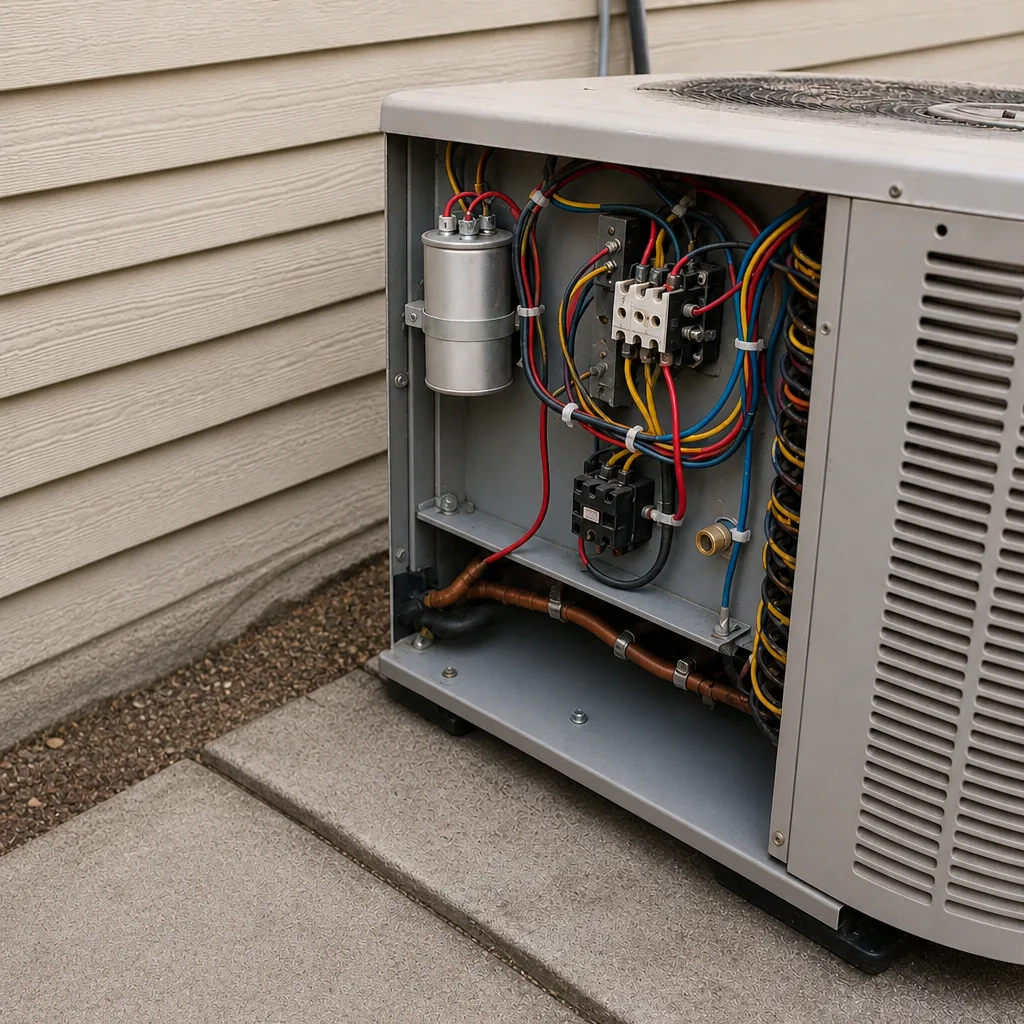
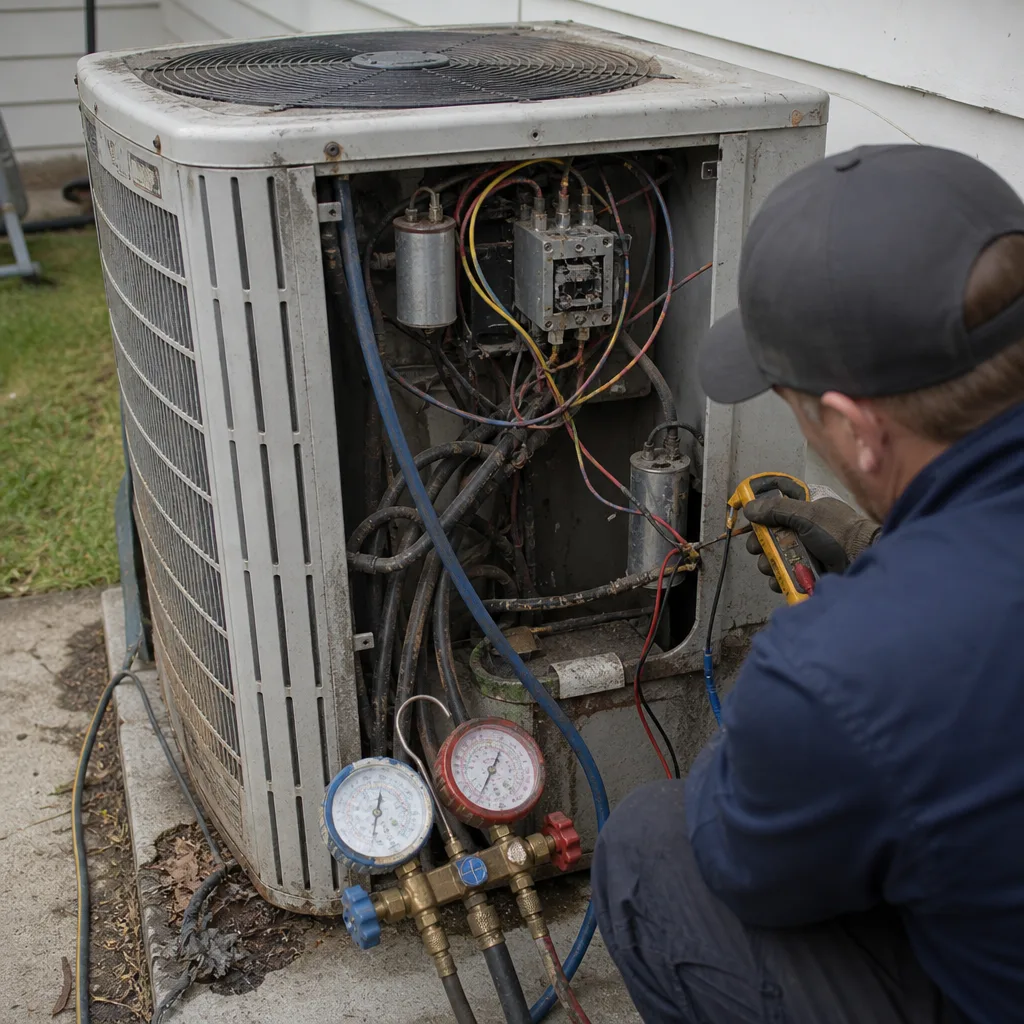
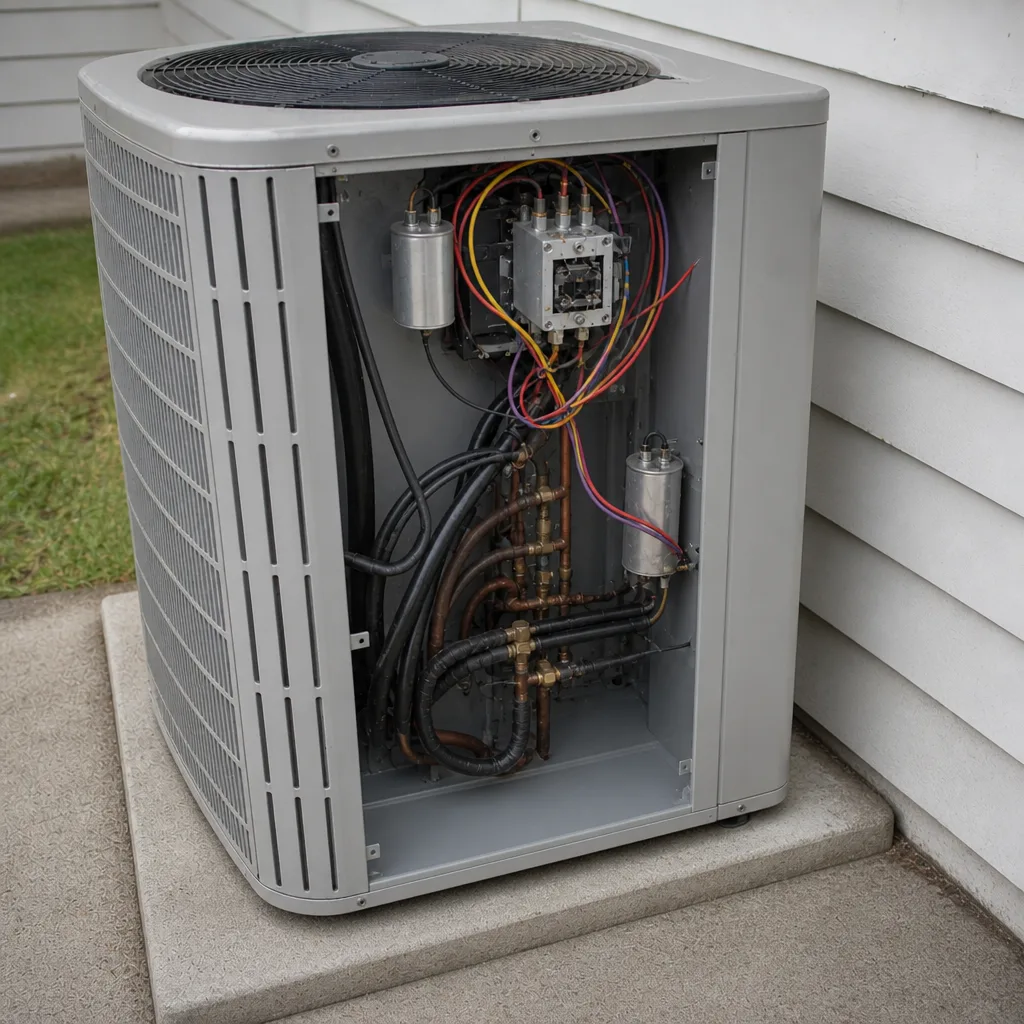
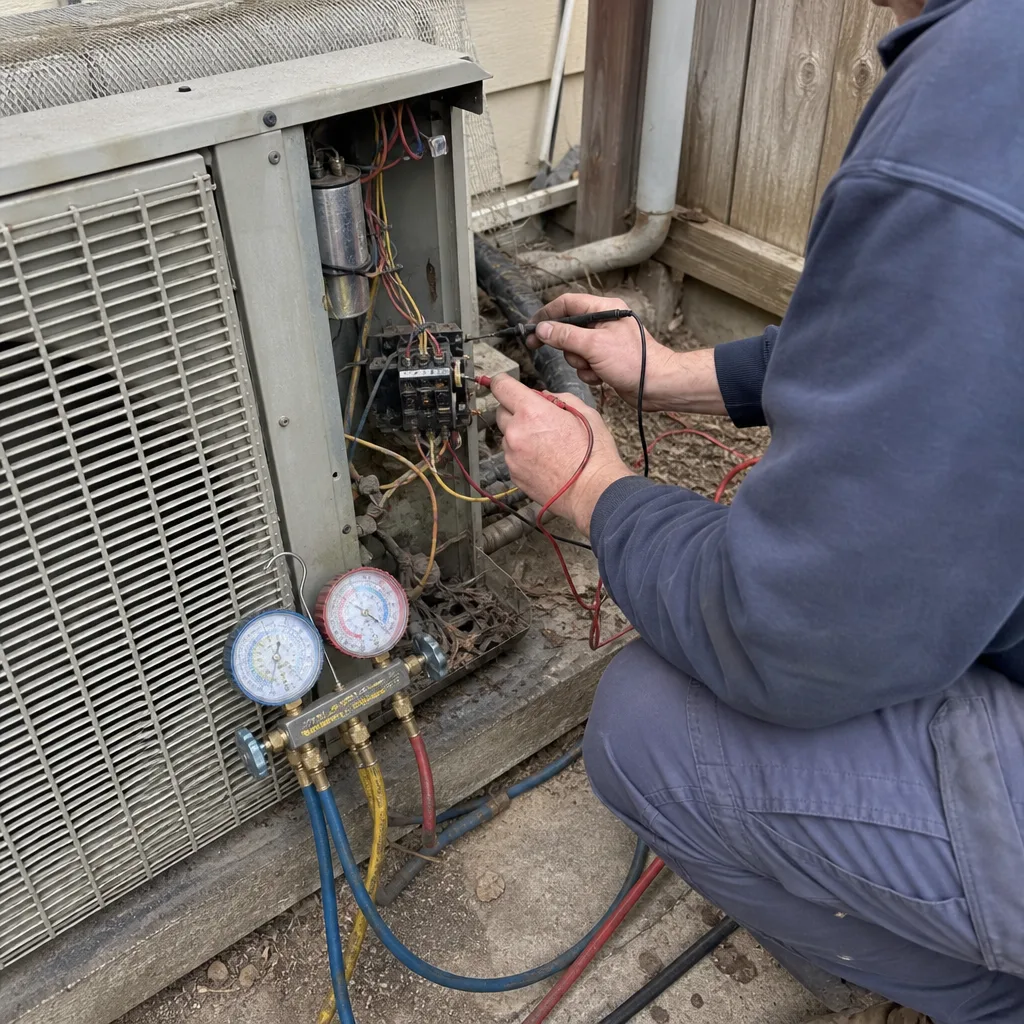
See the difference
 Before
 After
 Before
 After
 Before
 After
When to Call a Professional
Call a professional before you start a furnace replacement if any of these describes your situation: your furnace is over 15 years old and has needed repairs in recent seasons, your energy bills have climbed without a change in habits, you’re hearing rumbling, banging, or a blower that won’t quit, or you’re seeing yellow or flickering flames instead of a steady blue. Any smell of gas, soot, or exhaust indoors is a call-now situation, not a “wait and see” one. A cracked heat exchanger is a safety issue, so don’t keep running a furnace a technician hasn’t cleared. Oakridge AC Repair offers free estimates in West Valley City. Call (844) 945-2917. We answer 24/7, with fast dispatch from 7am to 7pm, Sunday through Friday.
Frequently Asked Questions
Furnace replacement at our West Valley City service area typically falls into a range that depends on furnace size, efficiency, venting, altitude setup, and ductwork; the written estimate sets the final price and estimates are free. The best way to know where your home lands is to have a heat load calculation and a written scope done before you buy. Call (844) 945-2917 for your free estimate.
Thinner air at altitude changes combustion, so a furnace that’s rated for sea-level performance needs high-altitude setup, including manifold pressure adjustment and in some cases different orifices. Without that setup, the furnace can underperform and run inefficiently from day one. Ask your installer to confirm the furnace is rated for altitude and the setup includes a temperature rise and combustion check. If you want ours to review your current setup, call (844) 945-2917.
Your furnace size comes from a heat load calculation (Manual J), not from a square-footage chart. The calculation accounts for your insulation, windows, air sealing, duct losses, and the local design temperature. A properly sized furnace has some margin, not a big jump up. If you’d like a calculation done, our West Valley City team can walk you through the numbers. Call (844) 945-2917.
The install itself usually comes down to a day of work once the equipment is on site and the install date is set. The full project from first call to first heat depends on how quickly the heat load calculation, written estimate, and equipment order move. Starting while your current furnace still runs is the best way to keep the calendar short. Call (844) 945-2917 to start the conversation.
Repair makes more sense when the furnace is younger, the repair is straightforward, and the efficiency you’re getting still fits the home. Replacement makes more sense when the unit is near the end of its expected life, the repairs are adding up, or the heat exchanger is failing. We’ll tell you which one actually makes sense for your West Valley City home. Call (844) 945-2917 for a free estimate.
In most cases, yes. We work on nine of the industry’s most recognized brands, from Carrier and Trane to Lennox, American Standard, Goodman, Rheem, York, Daikin, and Bryant, so you don’t have to switch brands just to find someone who knows your equipment. Heating and cooling handled start to finish means one team for the repair you have and the replacement you’re planning. Call (844) 945-2917.
The Bottom Line
A furnace replacement in West Valley City is less about the brand on the box and more about three decisions: sizing through a real heat load calculation, high-altitude setup for our 4,300-foot elevation, and a filtration and venting plan that holds up through inversion season. Pair those with a licensed HVAC replacement under Utah mechanical code and a written fixed estimate, and you get a furnace that fits your home. Start while your current unit still runs. Our team at Oakridge AC Repair is here when you’re ready. Call (844) 945-2917 for a free estimate.
Written by the team at Oakridge AC Repair.