
Last updated November 15, 2026
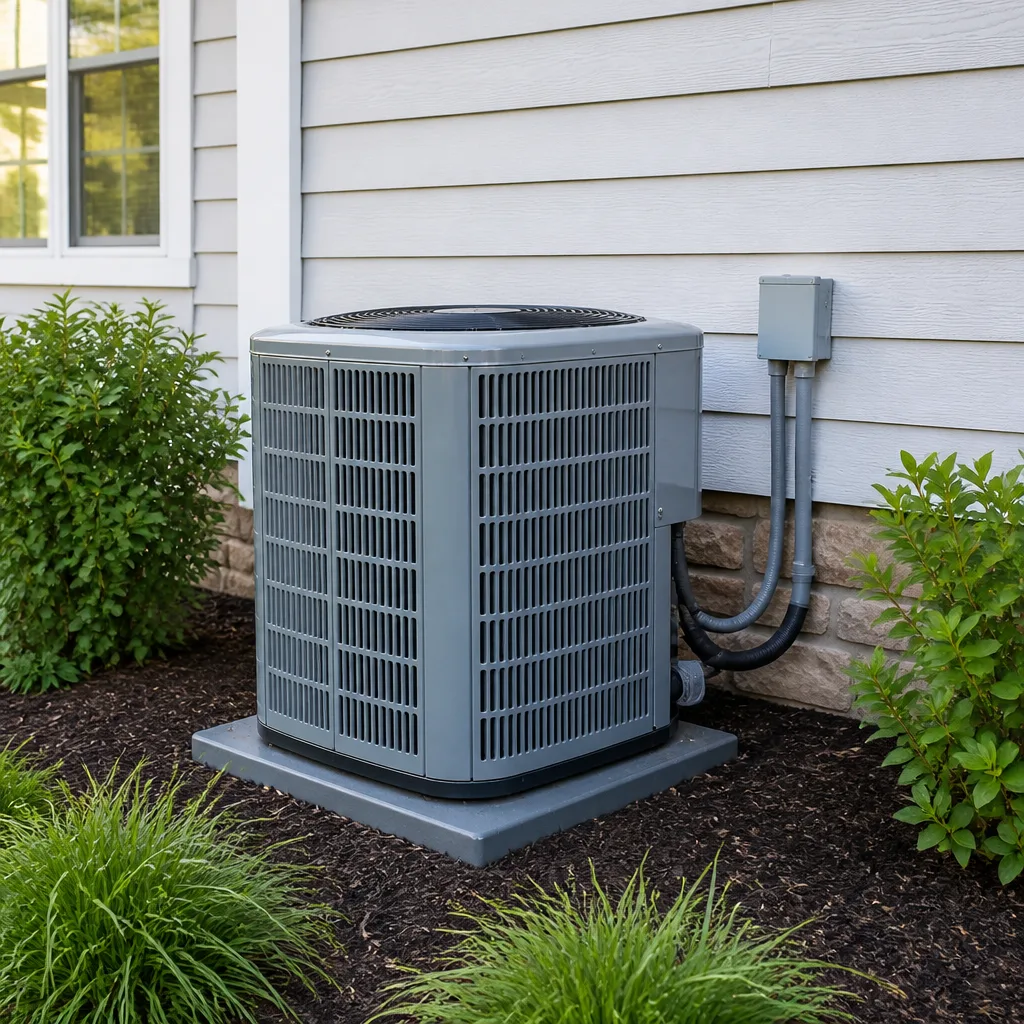 AC repair
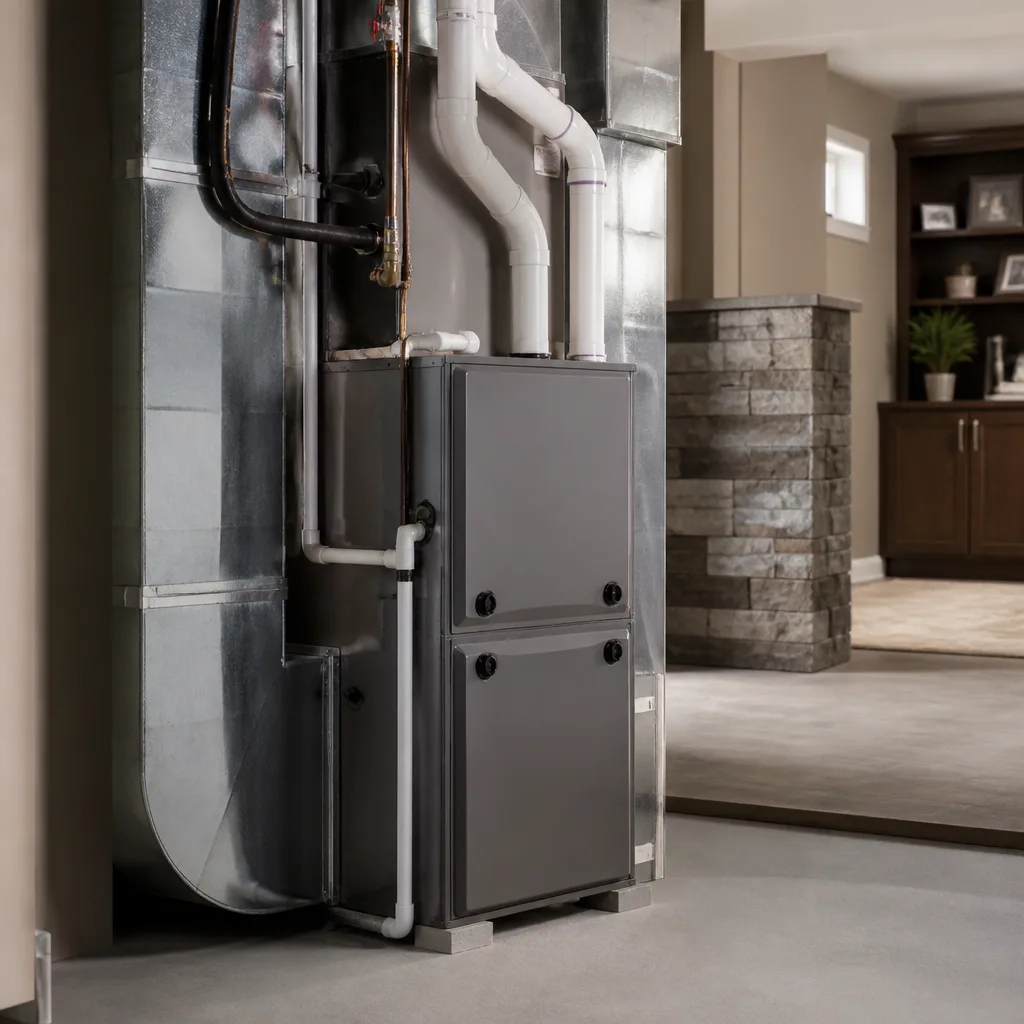 Furnace & heating
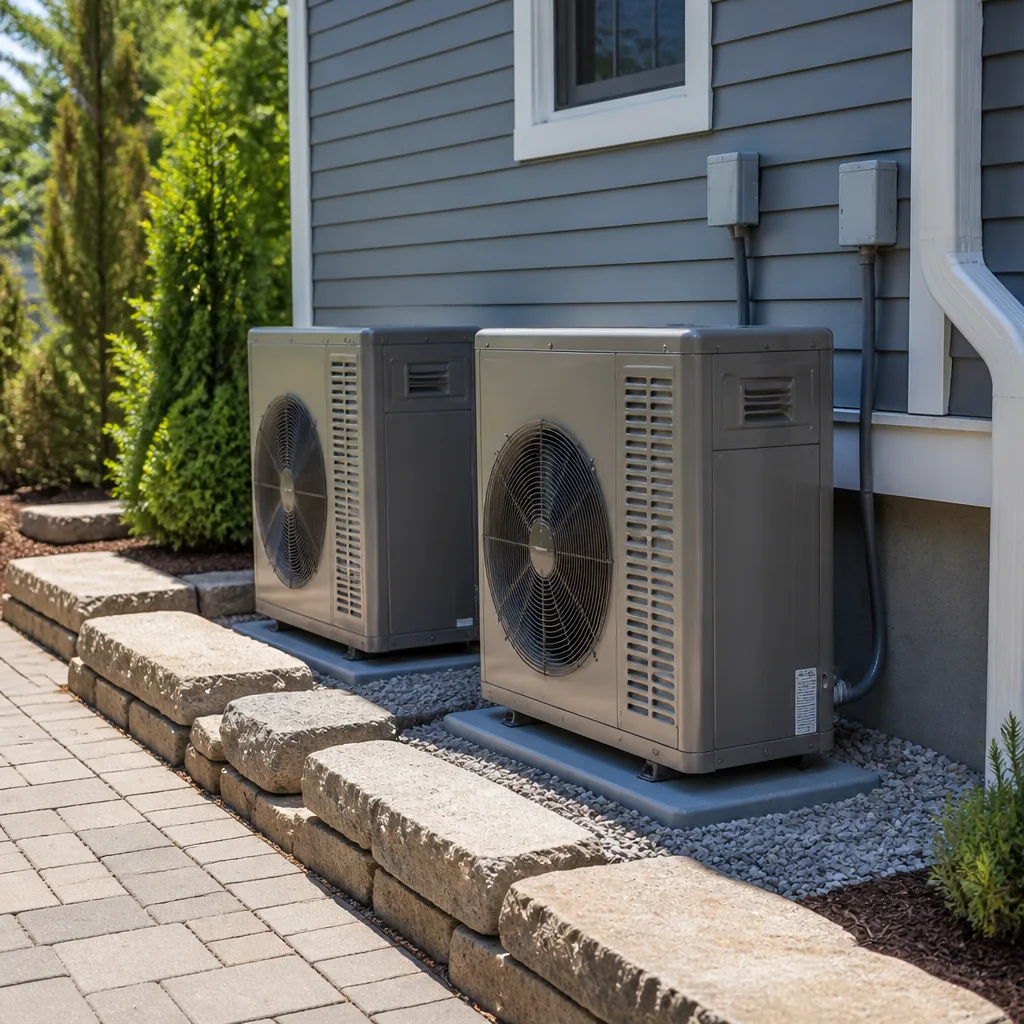 Heat pumps
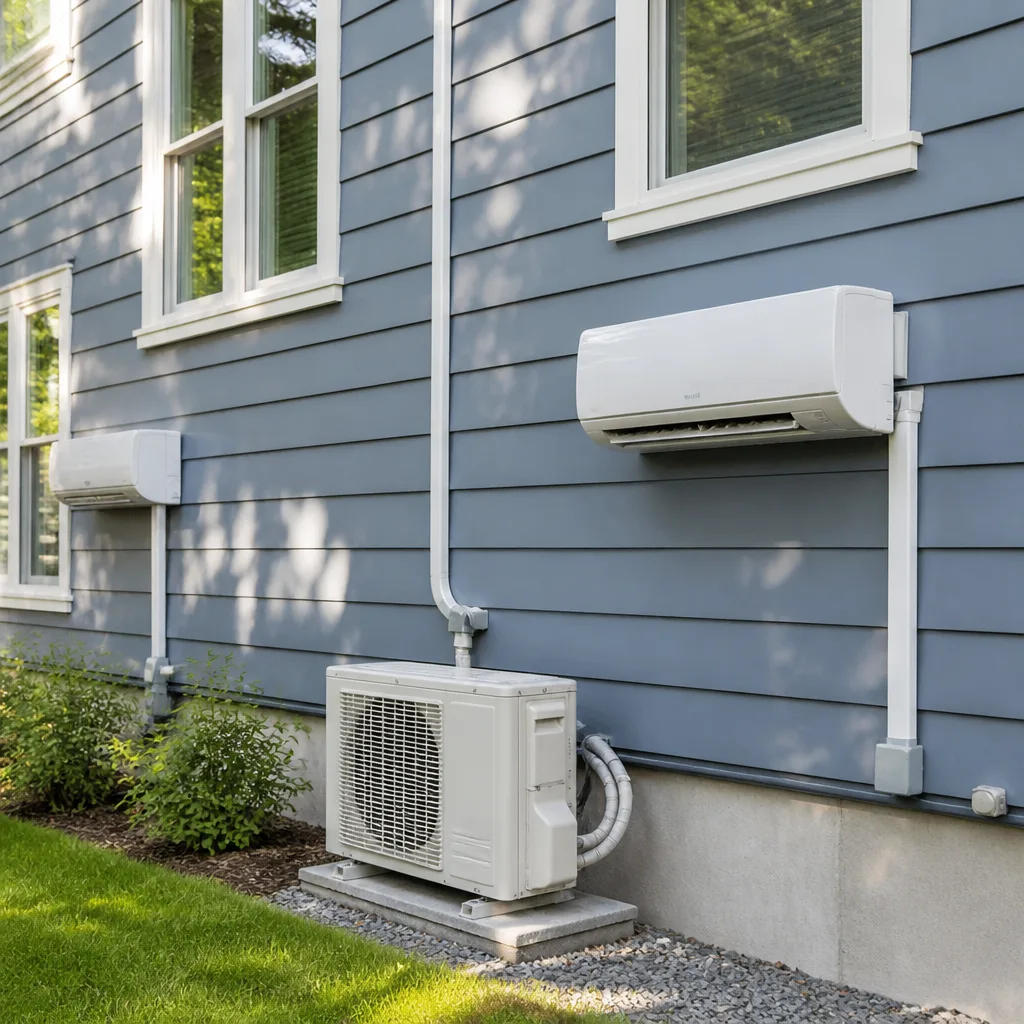 Ductless mini splits
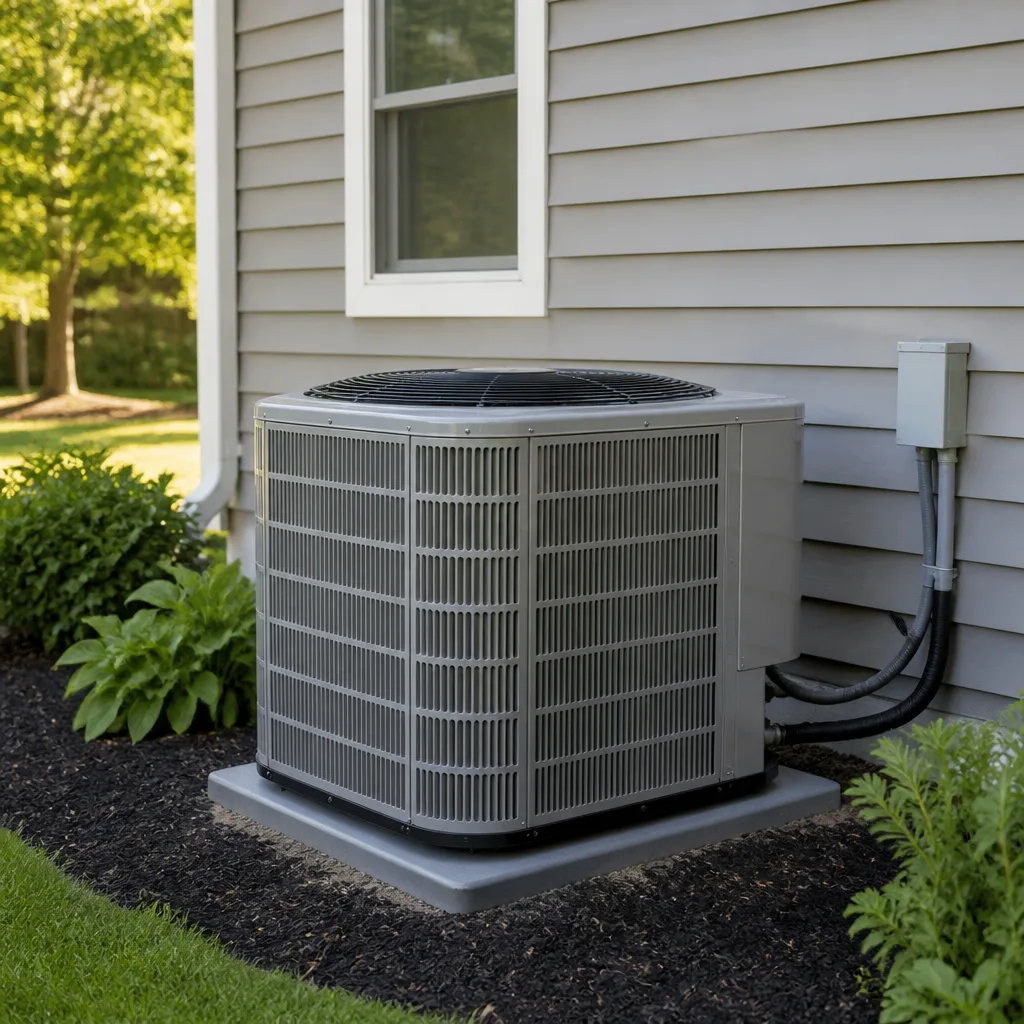 Carrier
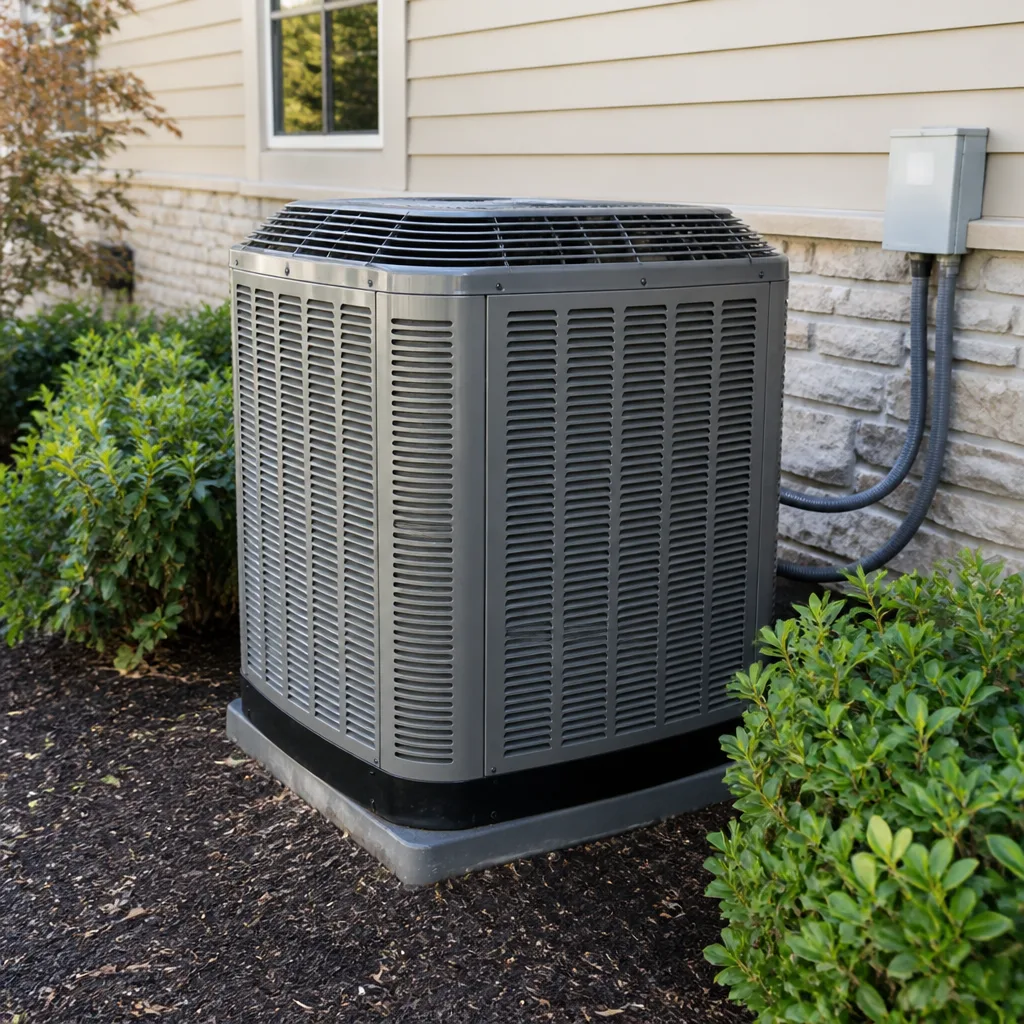 Trane
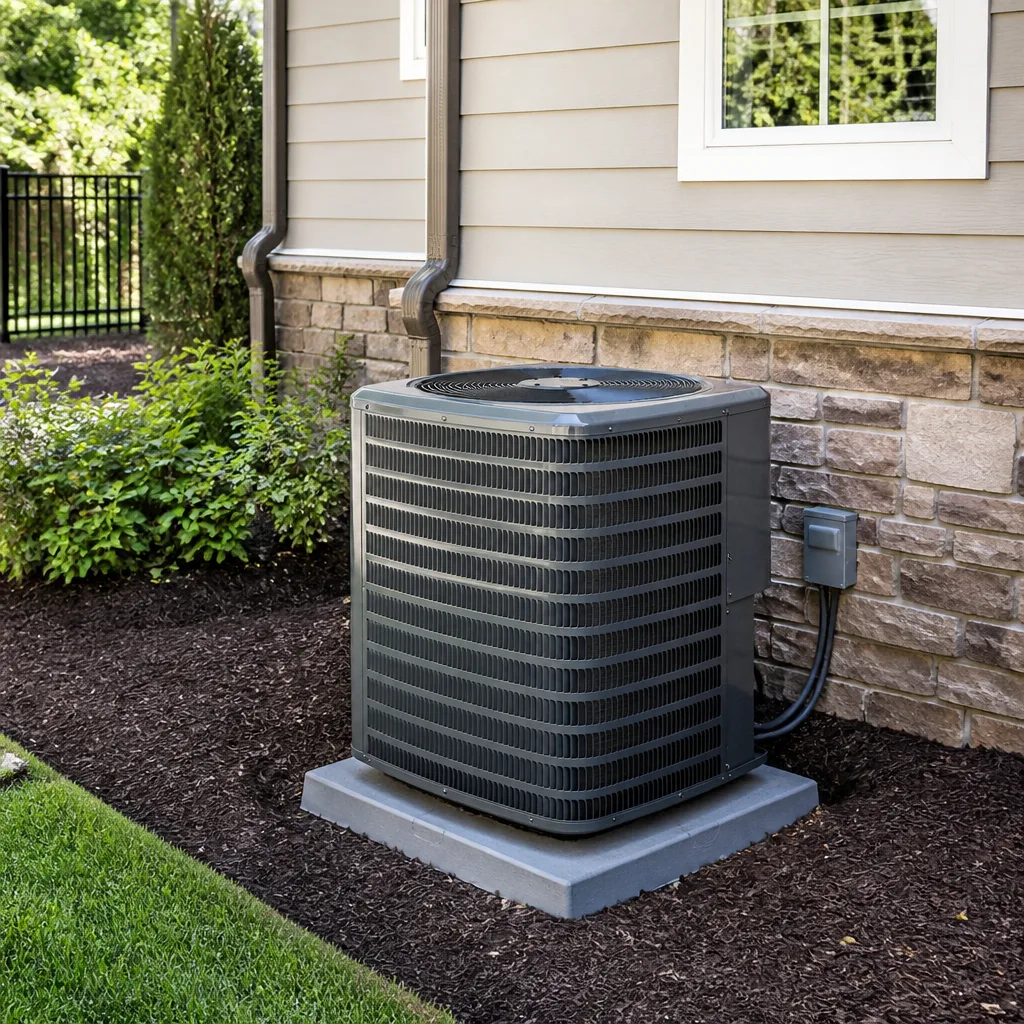 Goodman
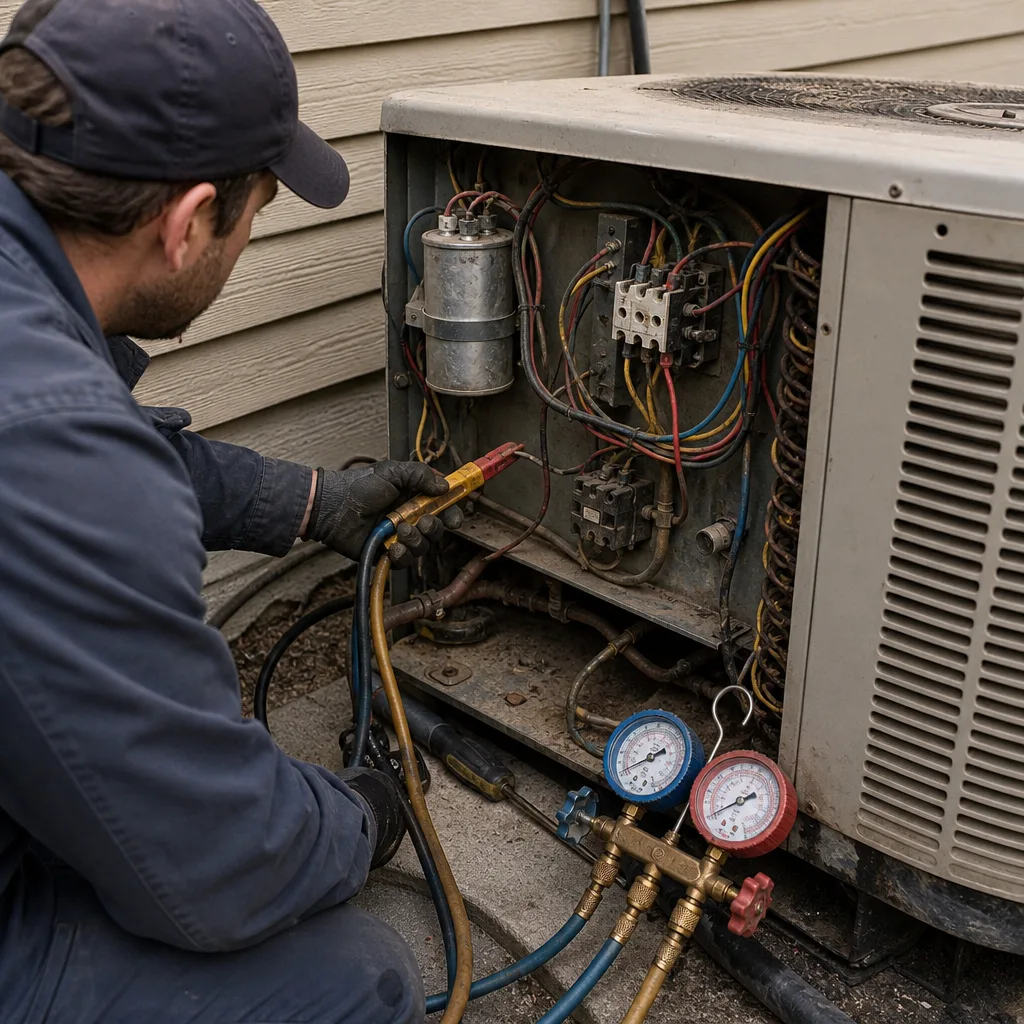
Seasonal tune-up and full diagnostic on your Carrier, Trane, or Goodman system - readings shown to you before any repair is proposed
Diagnosis first, numbers second - you approve the repair price before a single part goes in.
Get your free estimateChoosing the Right HVAC Brand: A Buyer’s Guide for West Valley City
The brand a contractor pushes hardest is often the brand that pays them the most, not the one that fits your home. That’s the uncomfortable truth behind most “best HVAC brand” conversations, and it’s why homeowners in West Valley City end up second-guessing a decision that should be straightforward. Here’s the reality: the major brands share far more in common than their marketing admits, and the factors that actually determine your long-term satisfaction have little to do with the logo on the front panel. This guide will teach you how to evaluate HVAC brands on the things that matter – local parts availability, warranty structure, efficiency certifications, and technician familiarity – so you can choose with confidence instead of pressure.
Quick Answer
The “best” HVAC brand in West Valley City is the one with strong local parts availability, a warranty your contractor will actually honor, and a service history your technician knows well. In practice, that means Carrier, Trane, Lennox, Goodman, Rheem, York, Daikin, Bryant, and American Standard can all be good choices depending on your home, your budget, and which lines are easiest to service here. Brand matters far less than the contractor installing it and the local support behind it.
Styles & brands we work with
- AC repair
- Furnace & heating
- Heat pumps
- Ductless mini splits
- Carrier
- Trane
- Goodman
Table of Contents
- Why Most HVAC Brands Share the Same Core Parts
- The Tiered Structure Most Homeowners Never See
- How to Research Local Parts Availability in the Salt Lake Valley
- What Efficiency Certifications Actually Tell You
- How to Read a Warranty Before You Sign
- Why a Brand-Agnostic Contractor Gives You a Fairer Comparison
- What West Valley City’s Climate Asks of Your System
- Common Mistakes to Avoid
- When to Call a Professional
- Frequently Asked Questions
Why Most HVAC Brands Share the Same Core Parts
Most of the compressor and heat exchanger manufacturing in the residential HVAC market is concentrated in a handful of global suppliers. That means a Carrier system, a Bryant system, and several others in the same corporate family often trace back to the same component factories – sometimes even the same assembly lines. The differences are real, but they live in the details: cabinet construction, control boards, finish quality, noise dampening, and the service network behind the badge.
We’ve seen this play out repeatedly in West Valley City when homeowners compare quotes. Two systems at similar price points frequently use comparable compressors and comparable coils, and the practical difference comes down to how quickly a technician can source a replacement part when something fails in July or January. That question – can I get this part today? – matters more than any brand brochure.
Here’s what actually changes from brand to brand:
- Cabinet and coil construction. Some brands use heavier gauge steel and better coil protection. That affects durability in dusty, high-usage environments.
- Control boards and communication protocols. A failing board is a common repair, and how available that board is locally determines how long you sit without cooling.
- Refrigerant and efficiency configurations. Modern refrigerants are standardized across brands, but how each manufacturer tunes the system varies.
- Warranty generosity and registration rules. These differ widely and matter more than the logo.
When you’re evaluating a brand in West Valley City, ask your contractor which parts for that specific line are stocked locally. If the answer is “we’ll order it,” that’s a repair timeline of days instead of hours. We work across AC installation on nine major brands precisely so this question has an honest answer for you no matter which system you already own.
The Tiered Structure Most Homeowners Never See
Almost every major HVAC brand sells its equipment in tiers: premium, mid-range, and value. Homeowners rarely see this clearly because the marketing focuses on the brand name, not the tier. A “Carrier” quote for one home and a “Carrier” quote for another might be two very different systems that share almost nothing besides the badge. Understanding the tier structure is the single biggest lever in evaluating value.
Here’s how the tiers typically break down across brands like Carrier, Bryant, and American Standard:
- Premium tier. Highest efficiency ratings, variable-speed compressors, quieter operation, better humidity control, and higher price. Often the best fit for homeowners who plan to stay in the home long-term and who want maximum comfort.
- Mid-tier. Two-stage or single-stage with good efficiency. These are the workhorses – strong value, widely sold, and easy to service because parts are common.
- Value tier. Basic single-stage equipment with standard efficiency. The right answer when the priority is getting reliable cooling and heating at the lowest entry price and the homeowner plans to move within a few years.
These tiers exist across brand families. Daikin, Goodman, and others run similar structures, and the core components within a given tier often overlap between brands. When a contractor pushes a premium line without explaining the tiers, you’re not being given a comparison – you’re being given a recommendation with the tier baked in. Ask directly: “Which tier is this, and what would the mid-tier version of the same system cost?” That single question tends to reset the conversation.
The tier structure also explains why furnace repair costs vary. A premium two-stage furnace has more parts to fail and more diagnostic time per visit than a basic single-stage model. Both can heat a West Valley City home; the tradeoff is upfront cost versus comfort and complexity.
How to Research Local Parts Availability in the Salt Lake Valley
Parts availability is the single most overlooked factor in HVAC brand selection, and it’s the one we push hardest when homeowners ask for our opinion. A stocked parts shelf at a local supplier can cut a repair timeline from several days to a few hours. In a West Valley City summer with temperatures pushing past 95 degrees, those days are not a small inconvenience – they’re a health and safety issue, especially for older adults and young children.
To research parts availability for a given brand in the Salt Lake Valley, follow these steps:
- Ask your contractor which local suppliers they order from. A knowledgeable technician will name the wholesalers in the Salt Lake area that stock the brand in question.
- Ask which components are typically stocked versus ordered. Compressors, control boards, capacitors, and igniters are the common failure points. Any of these that require a special order means a longer repair.
- Check whether the brand’s mid-tier and premium lines use the same common parts. Shared parts across tiers means a wider availability pool.
- Ask about compatibility with universal parts in a pinch. Some brands accept universal replacement capacitors and blower motors; others require brand-specific components.
- Call two or three contractors and compare their answers. If the brand comes up as hard to source from every contractor you ask, that’s your answer.
This is why we’re picky about which brands we work on. Carrier and Bryant share a corporate family and often share parts availability. Trane and American Standard do the same. Daikin has grown its local supplier footprint significantly in recent years. Goodman has long been one of the easiest brands to source parts for because of its volume in the trade. A brand nobody in West Valley City can service quickly is a brand you should look past, no matter how good the marketing is.
What Efficiency Certifications Actually Tell You
Some efficiency certifications are standardized industry-wide and some are brand-specific marketing. Knowing the difference keeps you from paying a premium for a term that means nothing in practice. The two that matter most are ENERGY STAR and AHRI.
ENERGY STAR is a government-backed efficiency certification. A system with ENERGY STAR meets a standardized efficiency threshold regardless of brand – so two ENERGY STAR systems from different manufacturers have comparable efficiency, not identical design. When comparing two ENERGY STAR systems, you’re no longer comparing efficiency. You’re comparing build quality, warranty, and price.
AHRI (the Air-Conditioning, Heating, and Refrigeration Institute) certifies that a specific combination of outdoor unit, indoor coil, and (when applicable) furnace performs at the efficiency rating the manufacturer claims. This is a standardized certification. If the matched-system number doesn’t appear in the AHRI directory, the efficiency claim is unverified. Ask to see it before signing.
What’s largely brand-specific marketing:
- Proprietary names for variable-speed technology or communicating controls.
- “Quiet operation” and “enhanced comfort” claims with no standardized method behind them.
- Brand-developed smart-home integrations that lock you into one manufacturer’s ecosystem.
- Extended warranty terms folded into the marketing as if they were a certification.
For a West Valley City homeowner, the practical rule is simple: insist on ENERGY STAR and AHRI verification, treat proprietary names as features to evaluate (not evidence of superiority), and ask your contractor to compare two competing systems using the same metric. That last step is exactly what a brand-agnostic contractor can do and a single-brand dealer structurally cannot.
How to Read a Warranty Before You Sign
The HVAC warranty is where most homeowners get blindsided. Two systems that look identical on the quote sheet can have very different warranty structures, and the difference is measured in thousands of dollars if something fails in year seven. Read the warranty before you sign, not after.
Here’s what to confirm:
- Parts-only vs. parts-and-labor. A parts-only warranty covers the failed component but not the technician’s time to diagnose and install it. Labor is often the larger share of a repair bill. A parts-and-labor warranty covers both, usually for a defined period that’s shorter than the parts coverage. Compare the labor side explicitly.
- Compressor and heat exchanger coverage length. These two components are usually covered longer than the rest of the system – sometimes much longer. Confirm the exact terms.
- Registration requirements. Almost every manufacturer requires the system to be registered within a set window after installation to activate the full warranty. If your contractor doesn’t register it, you may default to a shorter base warranty without realizing it.
- Transferability. Some warranties transfer to a new homeowner; others don’t. If you plan to sell in the next 5-10 years, transferability has real value.
- “Registered” language. When a manufacturer says “registered warranty,” they mean the warranty that’s active only after registration is complete. That’s the one you want, and it requires a contractor who handles the paperwork.
Ask the contractor to show you the actual warranty document before you sign, not a summary. And ask whether they handle the registration for you – a good contractor does. When we work with West Valley City homeowners, we confirm the registration window and the labor coverage on every install quote, because those two items are what homeowners actually rely on years later.
Why a Brand-Agnostic Contractor Gives You a Fairer Comparison
A single-brand dealer is structurally limited in what they can recommend. They can sell you the best system in their line, but they can’t honestly tell you a competing brand is a better fit for your home. That limitation isn’t a character flaw – it’s the dealership agreement. The homeowner rarely sees it, but it shapes every recommendation.
We work across nine leading brands for a straightforward reason: it lets us recommend based on fit, not dealership obligations. When a homeowner in West Valley City asks whether a Carrier system or a Daikin system makes more sense for their home, we can compare them directly – efficiency ratings, warranty terms, local parts availability, tier structure, and price – because we’re not locked into selling one of them. You get a real comparison rather than a one-sided pitch.
Here’s what that comparison looks like in practice:
- Match the system to the home. Square footage, duct condition, sun exposure, and window placement all shape the right size and tier.
- Compare two or three brands at the same tier. Same efficiency class, same warranty class, different badges. That’s a fair fight.
- Weight local serviceability and parts availability. In the Salt Lake Valley, brands with stocked parts win on repair speed.
- Compare total installed cost, not just the unit price. Labor, warranty registration, hauling, and any duct or line-set adjustments belong in the comparison.
- Read the warranty side by side. Same coverage terms, or the comparison isn’t fair.
When you’re ready for that side-by-side, one specialist team covering nine brands makes it easier than coordinating two dealerships. You can see the wider service picture on our West Valley City page, and the brand list is the same for AC installs and furnace work.
What West Valley City’s Climate Asks of Your System
West Valley City runs hot in the summer and cold in the winter, and the equipment that works in a mild climate often struggles here without the right selection and setup. Summer highs commonly push into the high 90s and occasionally past 100, which means the AC runs long duty cycles through July and August. Winter brings hard freezes, and furnaces here cycle heavily from November through February. That combination exposes weaknesses that wouldn’t show up in a milder climate.
What that means when you’re evaluating a brand:
- Compressor durability under load. Long, repeated cycles wear compressors faster. Brands with heavier-duty compressor construction tend to hold up better over the long run.
- Heat exchanger design. Furnaces that heat through hard freezes work harder. A heat exchanger with a strong design and a long warranty is worth the premium in this market.
- Airflow and dust tolerance. Valley dust and dry air load up filters and coils faster than in wetter climates. Brands with accessible, well-sealed cabinets make maintenance easier.
- Two-stage or variable-speed options. A single-stage system works, but two-stage systems handle West Valley City’s long cooling season with less short-cycling and better humidity control.
Where the equipment is installed matters as much as which brand. In West Valley City, homes range from older neighborhoods near the city center to newer construction on the western edges. The older homes often have duct systems that need attention before a new unit will perform at its rated efficiency. And Utah code requires a permit for most HVAC replacements, so your contractor should pull the permit – ask your city’s building department if you want the exact requirements for your address. If you’re not sure whether to repair or replace, we’re happy to give you an honest answer either way, and you can start with our Oakridge AC Repair overview.
Common Mistakes to Avoid
- Choosing a brand because a contractor sells it exclusively. An exclusive dealer can only recommend the brand they carry. Ask whether the contractor works on multiple brands before you take a brand recommendation at face value.
- Ignoring the tier and asking only about the brand name. A premium Carrier and a value Carrier share a badge, not a system. Ask which tier you’re being quoted and compare across tiers before deciding.
- Skipping the parts availability question. A brand that can’t be serviced quickly in the Salt Lake Valley is a brand you’ll regret. Confirm local supplier stock before you sign.
- Reading the warranty summary instead of the full document. Parts-only coverage looks generous until you see what labor costs. Read the actual warranty terms on both parts and labor, and confirm registration requirements.
- Paying for a brand-specific efficiency claim that’s really marketing. If it’s not ENERGY STAR or AHRI-verified, treat it as a feature, not a standard. Ask for the AHRI certificate on any matched system.
- Letting a contractor skip the permit. Most HVAC replacements in West Valley City require a permit. Unpermitted installs can cause problems at resale and with warranty coverage, so ask to see the permit before the work starts.
- Choosing a brand based on a brochure without comparing two systems side by side. A brand-agnostic comparison across two or three reputable lines at the same tier is the only way to see the real difference.
When to Call a Professional
Some HVAC questions are worth a quick project, but brand selection, warranty evaluation, and system replacement are not. If you’re weighing a new system and want a real comparison between two or three brands at the same tier, that’s our specialty. If your current system needs a repair and you’re unsure whether it’s worth fixing, that’s also worth a call. If you’re in the middle of a West Valley City heat wave and the AC has failed, or a furnace won’t light during a hard freeze, don’t wait – heat and cold are health issues, not just convenience. And if a contractor has handed you a quote without naming the tier, the warranty structure, or the parts availability, get a second opinion before you sign. We work on the brand you already have, and we’ll tell you whether it’s worth fixing. Oakridge AC Repair offers free estimates in West Valley City – call (844) 945-2917. We answer 24/7, with fast dispatch from 7am to 7pm, Sunday through Friday.
Frequently Asked Questions
No – there’s no single best brand, because the right choice depends on your home, your budget, and which brands have strong local parts availability in the Salt Lake Valley. Carrier, Trane, Lennox, Goodman, Rheem, York, Daikin, Bryant, and American Standard all build dependable equipment at their mid-tier levels, and the differences between them at the same tier are often smaller than the marketing suggests. The contractor’s installation quality and the local service network matter more than the badge. Call (844) 945-2917 for a free estimate and a side-by-side comparison across two or three brands at the same tier.
Ask your contractor which local Salt Lake Valley wholesalers stock the brand, which components are kept on shelves versus ordered, and whether the brand’s components overlap with common parts used in other lines. A stocked parts shelf cuts repair time from days to hours, which matters most in a West Valley City summer. Good contractors will answer this question specifically; if a contractor won’t answer, choose a different one. Call (844) 945-2917 and we’ll walk you through local parts availability for any brand you’re considering.
A parts-only warranty covers the failed component but not the technician’s time to diagnose and install it; a parts-and-labor warranty covers both. Labor is usually the larger share of a repair bill, so the labor coverage term is the number to compare carefully. Most manufacturers require the system to be registered within a set window after installation to activate the full warranty, so confirm your contractor handles that registration. Ask to see the actual warranty document before you sign. Call (844) 945-2917 if you want a warranty comparison before you commit to a brand.
Most major HVAC brands source compressors, heat exchangers, and other core components from the same small group of global manufacturers. That means brand differences often live in cabinet construction, control boards, finish quality, and the local service network rather than in the compressor itself. The practical result: two systems at the same tier can perform similarly and still differ widely in local parts availability and warranty terms. Focus your evaluation there. Call (844) 945-2917 for a free estimate that compares the parts and warranty side by side.
Yes, most HVAC replacements in West Valley City require a permit through the city’s building department. Unpermitted work can cause problems at resale and may affect your manufacturer warranty if the installation isn’t registered or inspected properly. Ask your contractor to pull the permit and confirm the inspection as part of the job. If you’re not sure what your address requires, call your city’s building department directly, or call us at (844) 945-2917 and we’ll point you to the right office.
Only if that contractor works on multiple brands – a brand-exclusive dealer can’t honestly compare options they don’t sell. A brand-neutral contractor can weigh Carrier, Daikin, Bryant, American Standard, and the other brands we service against your home’s needs, budget, and local parts network. That comparison is where the honest recommendation comes from. Call (844) 945-2917 to speak with a team that works on nine leading brands and will compare them side by side for your West Valley City home.
The Bottom Line
The brand on the badge matters – just not in the way most HVAC marketing suggests. What actually determines your long-term satisfaction is the tier of the system you choose, the local parts availability behind it, the warranty structure you sign, and the contractor who installs and services it. In West Valley City, our climate rewards systems built for long hard cycles and contractors who can source parts quickly. Brand-agnostic service isn’t a gimmick; it’s the only way to get an honest side-by-side comparison across the brands that matter – Carrier, Trane, Lennox, Goodman, Rheem, York, Daikin, Bryant, and American Standard – without the dealership incentive shaping the recommendation. Choose the system that fits your home, not the one with the fattest dealer margin.
If you’re weighing a new system and want a real comparison, or if your current equipment needs a repair and you want an honest repair-or-replace recommendation, get in touch. Oakridge AC Repair offers free estimates in West Valley City – call (844) 945-2917 for a free estimate. We answer 24/7. Fast dispatch from 7am to 7pm, Sunday through Friday. Our technicians have up to 9 years of experience, and we work on the brand you already have.
Written by the team at Oakridge AC Repair.
See the difference
 Before
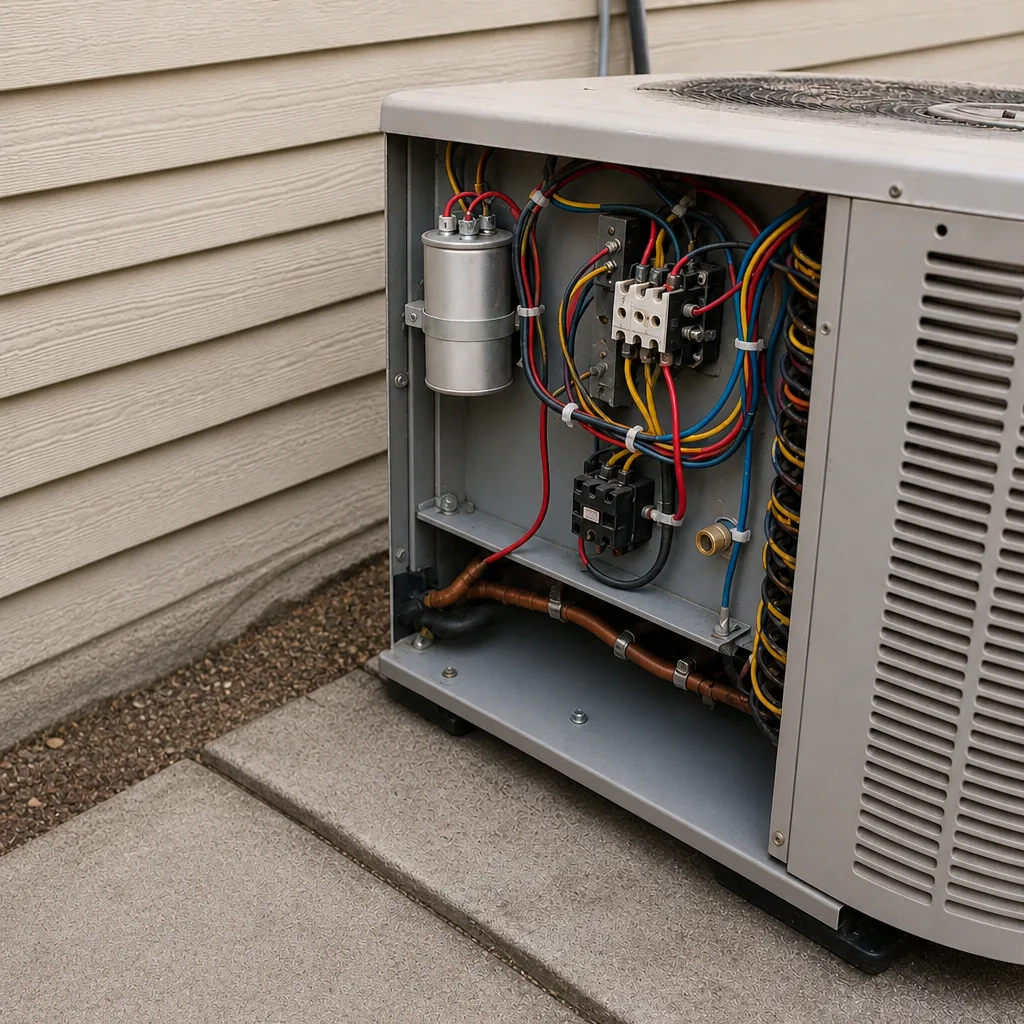 After
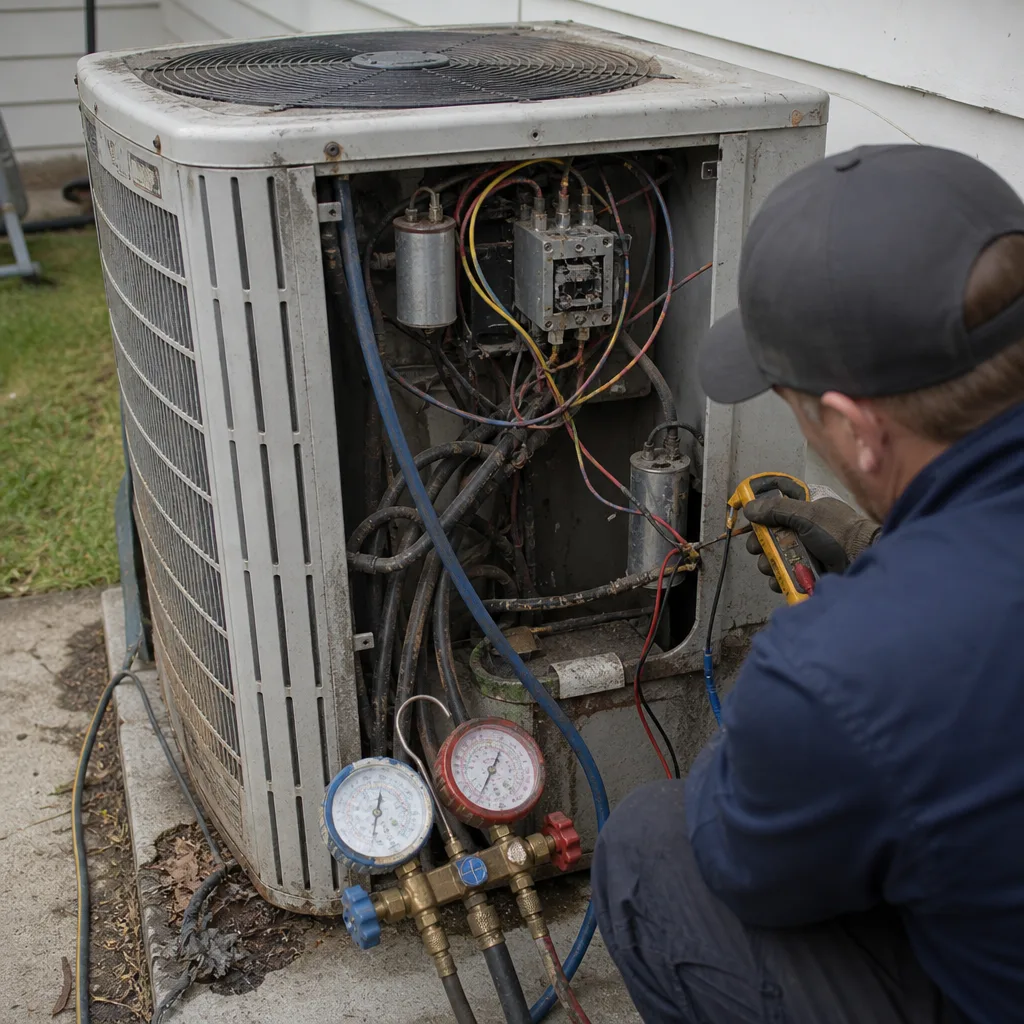 Before
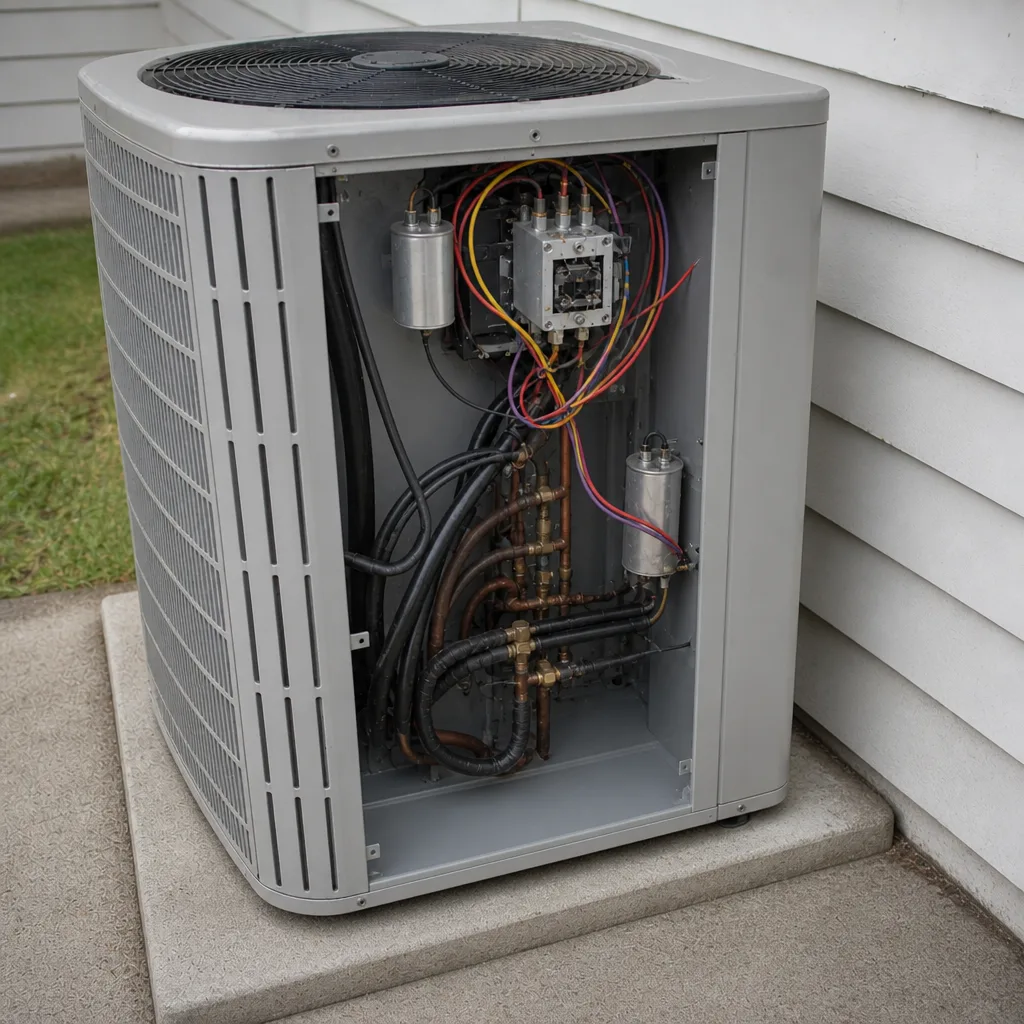 After
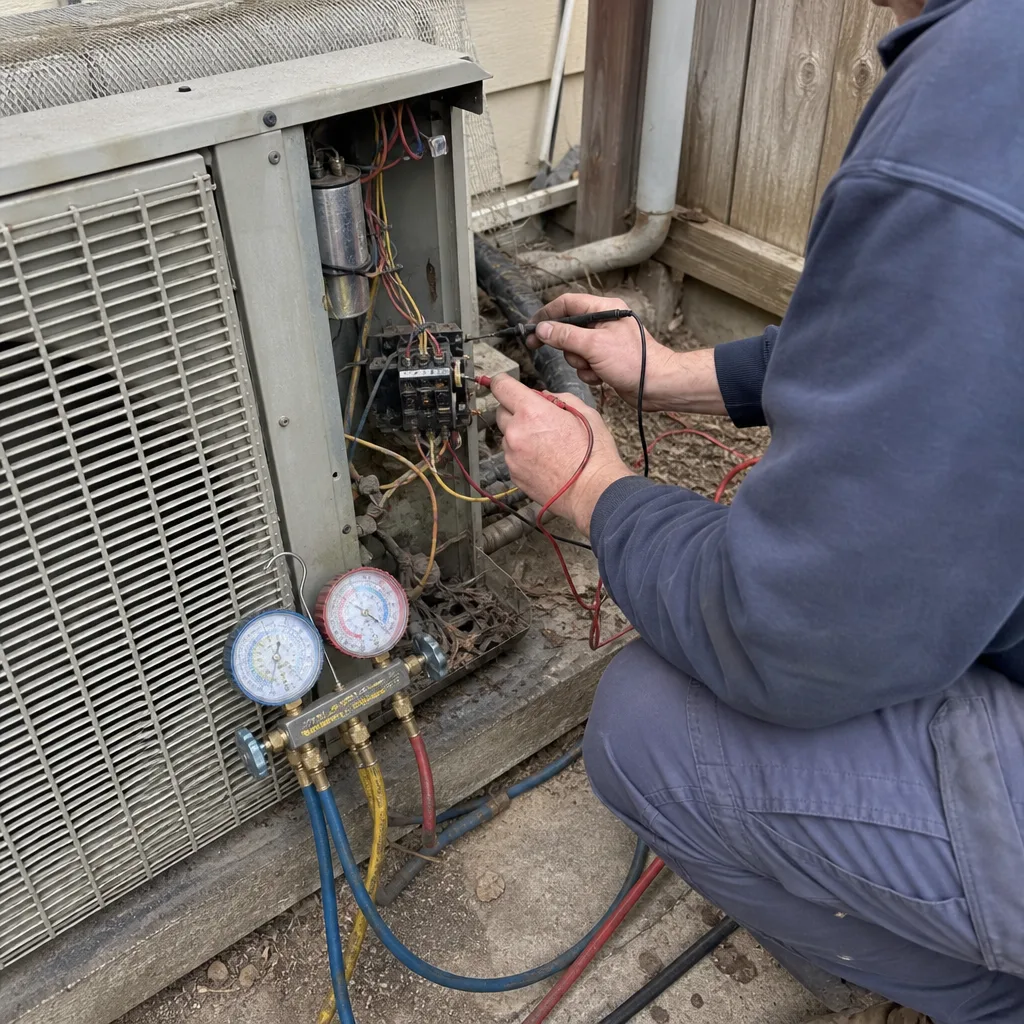 Before
 After