
Last updated November 15, 2026
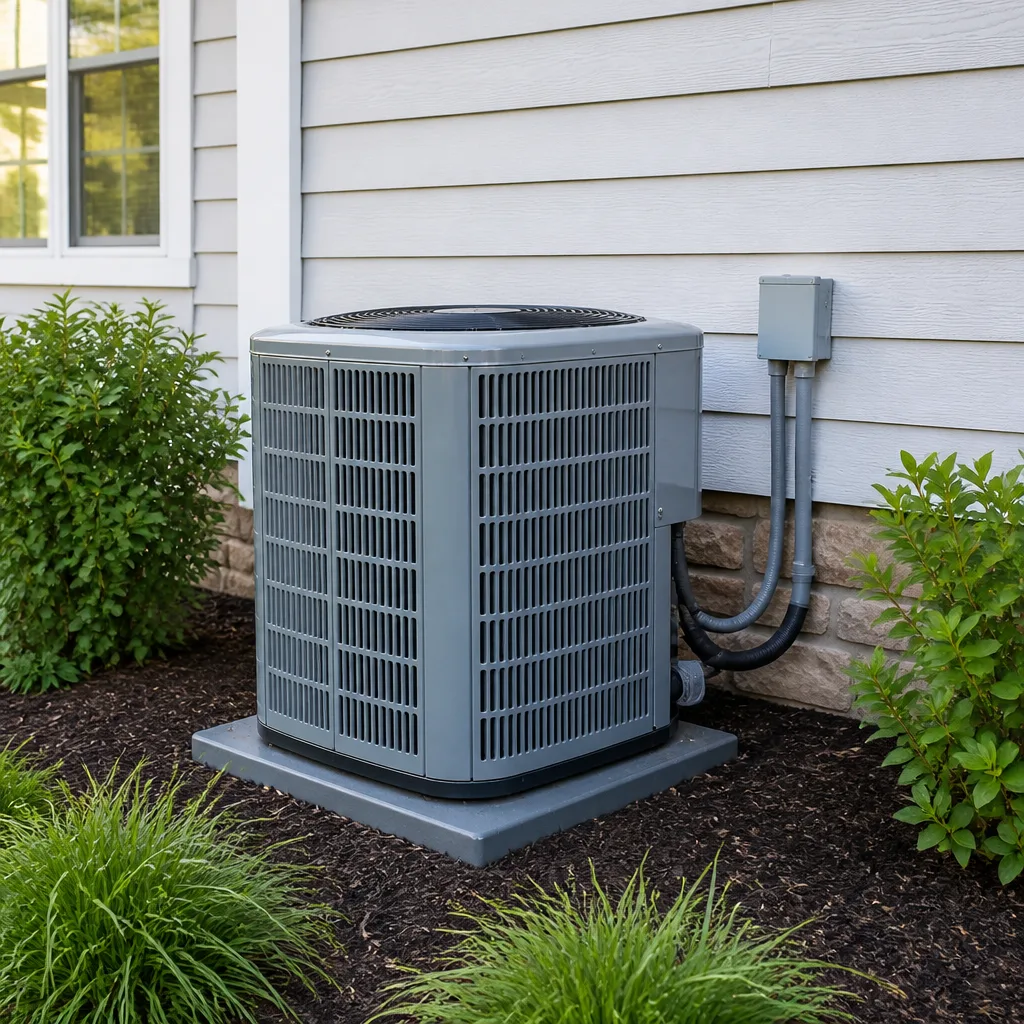 AC repair
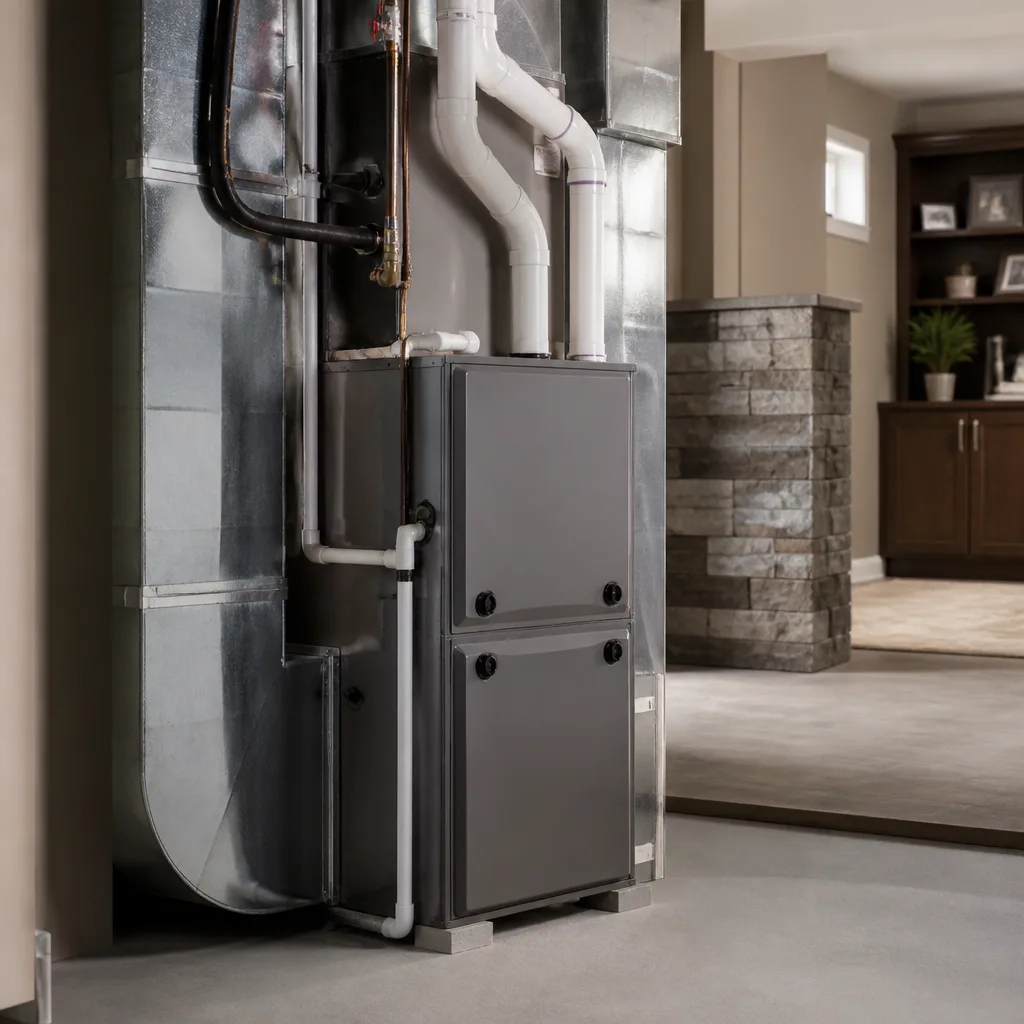 Furnace & heating
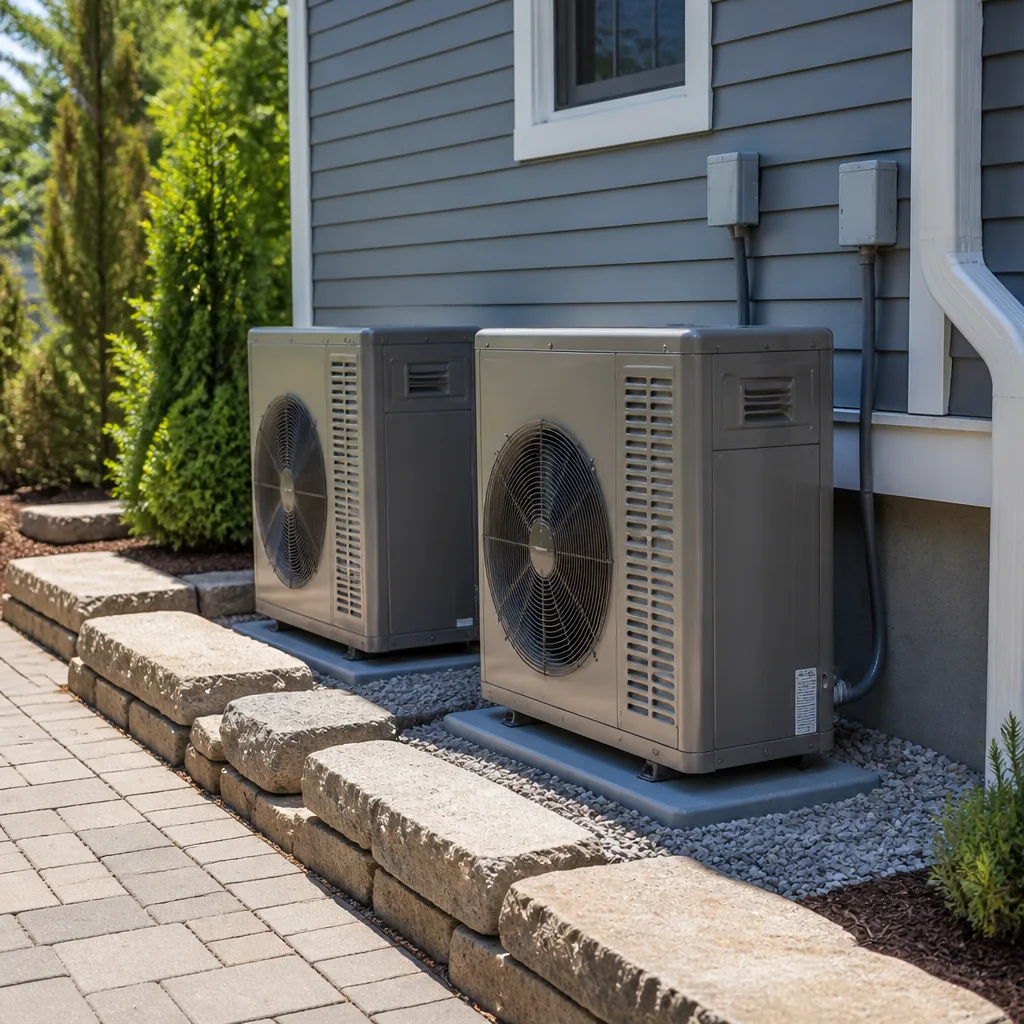 Heat pumps
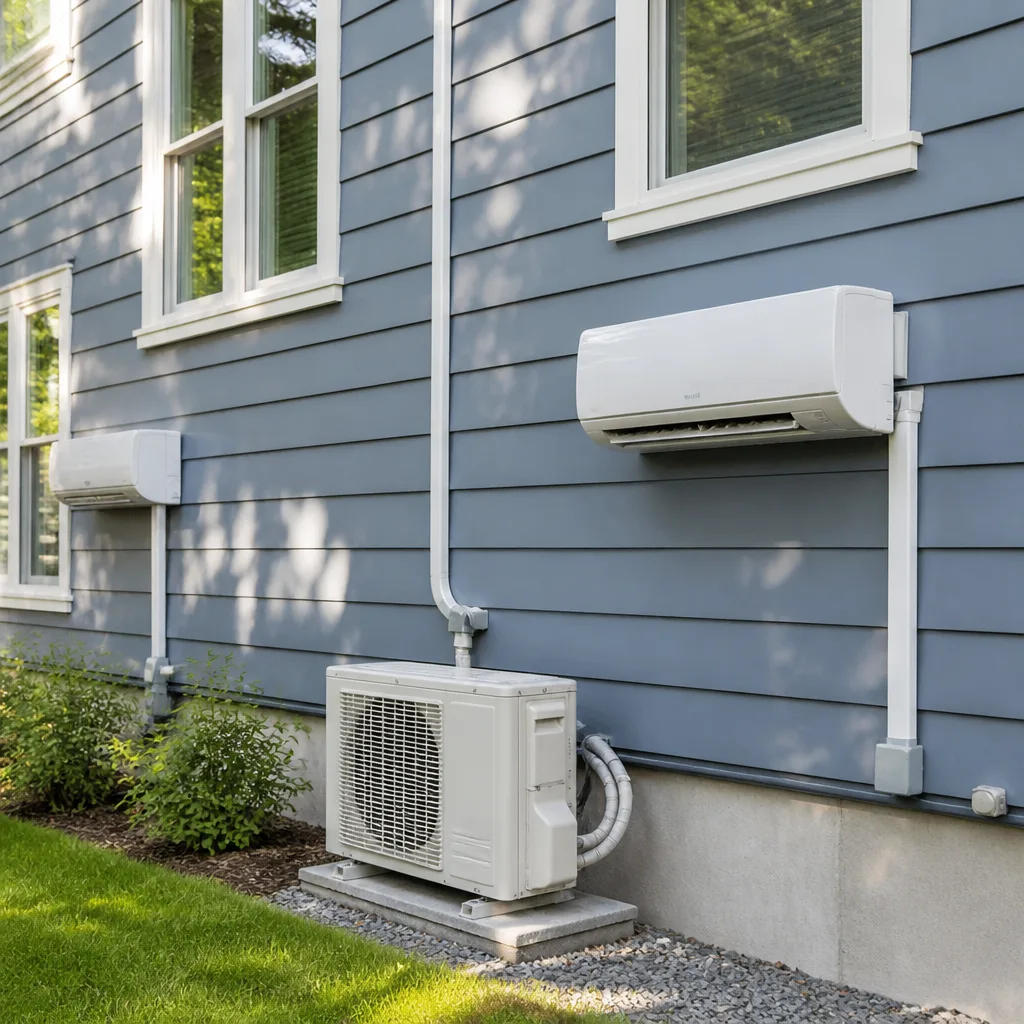 Ductless mini splits
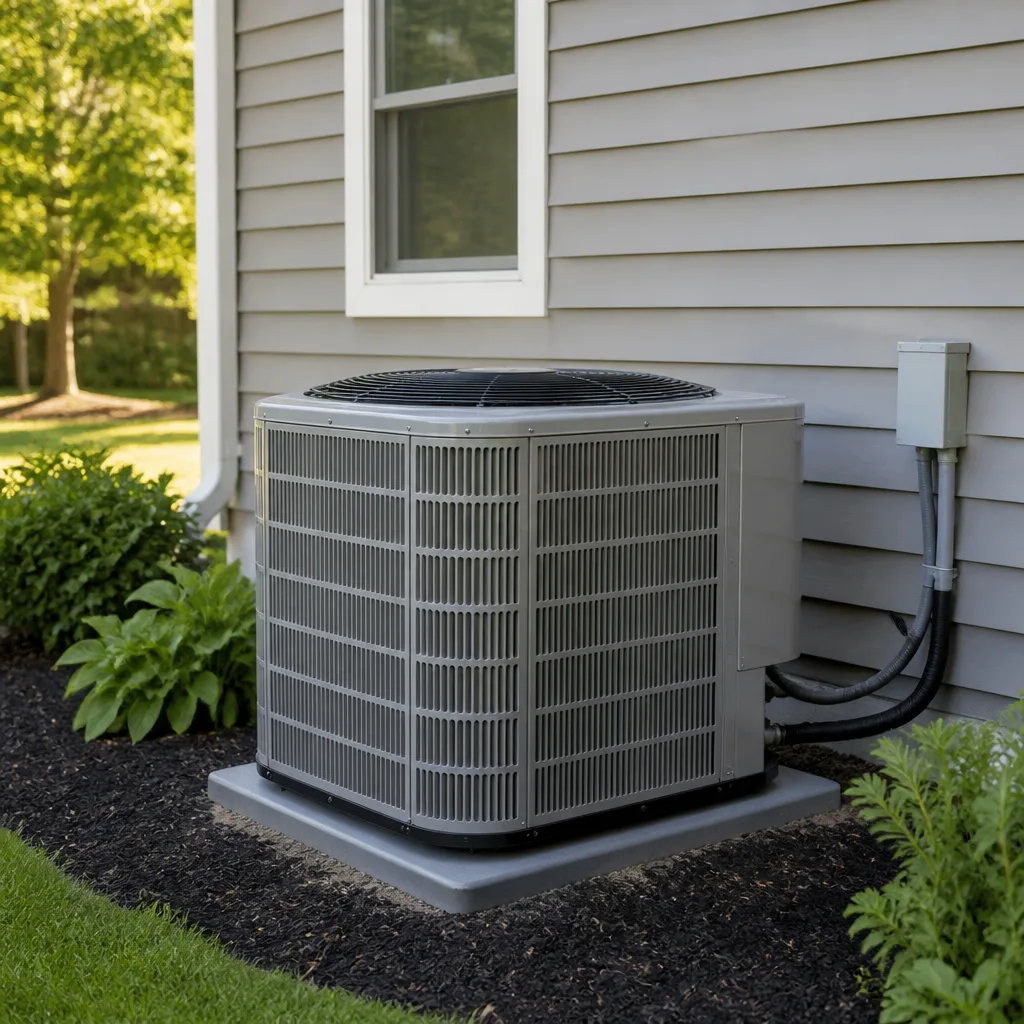 Carrier
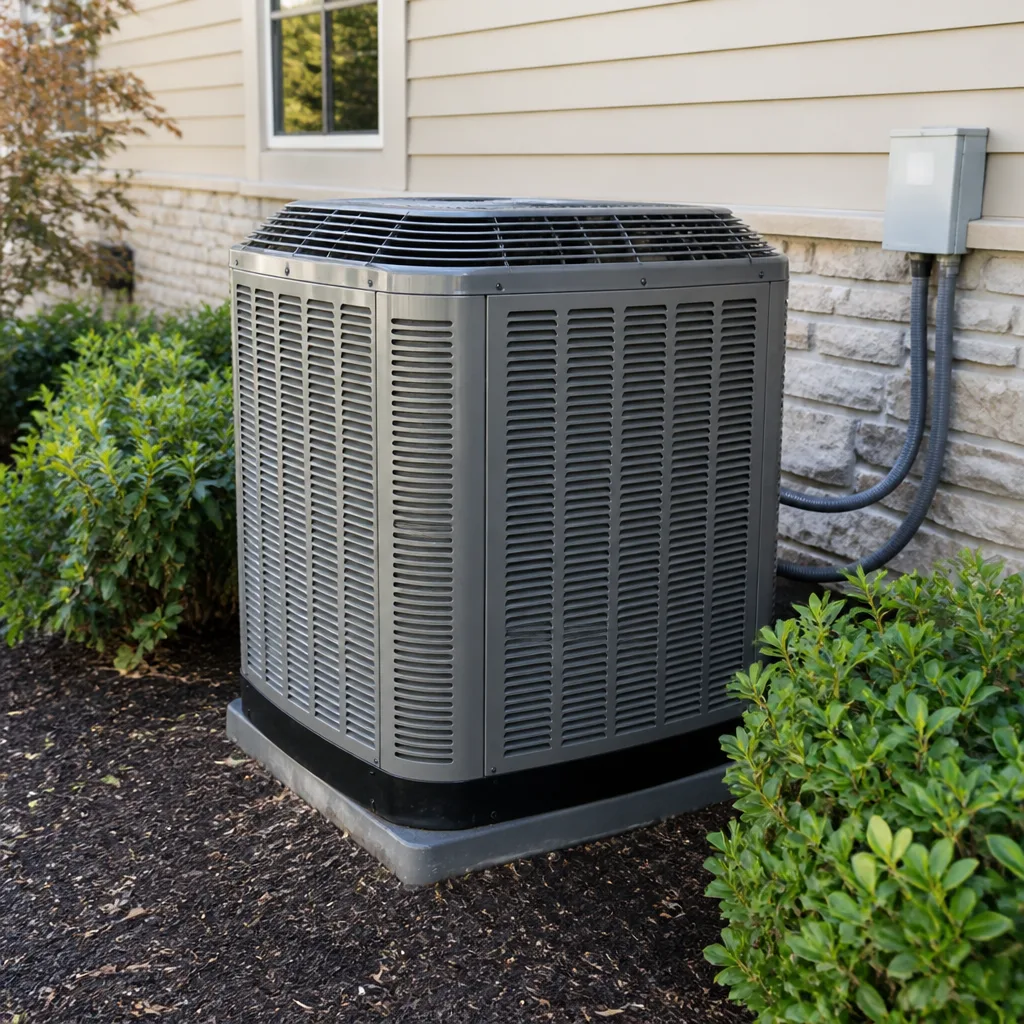 Trane
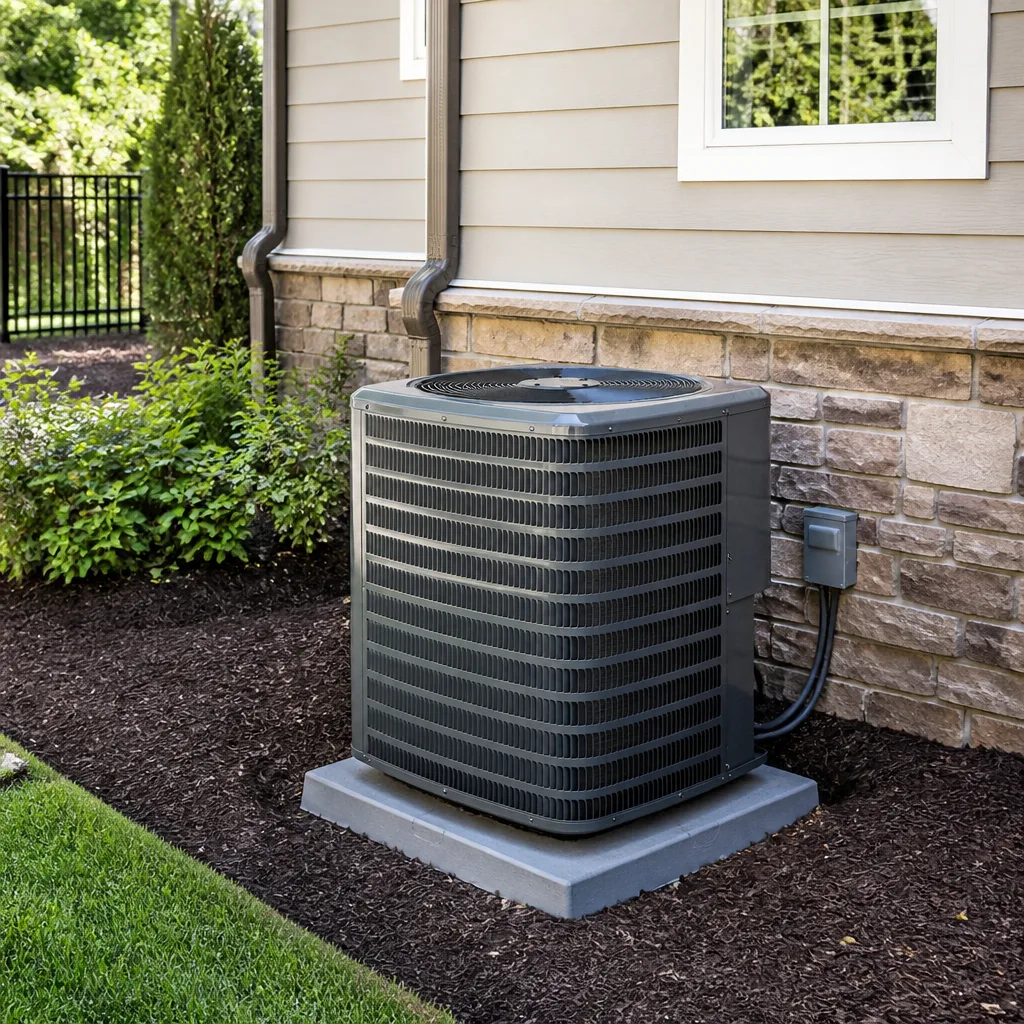 Goodman
Seasonal tune-up and full diagnostic on your Carrier, Trane, or Goodman system - readings shown to you before any repair is proposed
Diagnosis first, numbers second - you approve the repair price before a single part goes in.
Get your free estimateHow to Hire an HVAC Contractor in West Valley City: A Step-by-Step Guide
Most homeowners in West Valley City think hiring an HVAC contractor comes down to credentials. It doesn’t. The license matters, sure, but the expensive mistakes usually happen around questions people never think to ask before a single tool comes out of the van: whether anyone actually ran a load calculation, whether the permit was pulled, or whether the recommendations you’re hearing are shaped by a dealer agreement you know nothing about. We’ve watched homeowners skip the load calc and end up with a system sized for a different house. This guide walks you through what to ask, in what order, and where to look things up, so the next furnace or AC decision in West Valley City goes right the first time.
Quick Answer
To hire an HVAC contractor in West Valley City, verify the contractor’s Utah mechanical license through the Division of Occupational and Professional Licensing (DOPL), ask whether they’ll run a Manual J load calculation before quoting a new system, confirm who pulls the permit, and request a written quote with itemized parts and labor before signing. Skip any contractor who won’t provide these, pushes one brand exclusively, or wants full payment up front.
Styles & brands we work with
- AC repair
- Furnace & heating
- Heat pumps
- Ductless mini splits
- Carrier
- Trane
- Goodman
Table of Contents
- Step 1: Verify the Utah Mechanical License (DOPL)
- Step 2: Ask About the Manual J Load Calculation
- Step 3: Confirm Who Pulls the Permit
- Step 4: Read the Quote Line by Line
- Step 5: Detect Brand Bias in Recommendations
- Step 6: Agree on a Fair Payment Schedule
- What West Valley City Climate Means for Your System
- Common Mistakes to Avoid
Step 1: Verify the Utah Mechanical License (DOPL)
Utah requires HVAC contractors to hold a state mechanical contractor license, and that license is a matter of public record. You can look it up through the Utah Division of Occupational and Professional Licensing (DOPL) online database in about 30 seconds. In our experience, fewer than 10% of homeowners ever do it. That’s the first gap to close.
Here’s the thing: the license isn’t a stamp of quality on its own. What it tells you is that the person holding the contract has met the state’s minimum bar for competency and carries a legal obligation that means something if the work goes wrong. If your furnace install goes sideways and the technician wasn’t licensed, you’re the one holding the bag on a code violation, not them. The license is how you make sure you’re not in that position.
Here’s how to verify it:
- Ask the contractor for their license number before you agree to anything. A licensed contractor will have it memorized or on hand.
- Go to the DOPL website and search the license lookup by contractor name or license number.
- Confirm three things: the license is active, the license type is the right class for the work (mechanical for HVAC), and the business name matches what’s on your quote.
- Note any disciplinary actions. DOPL posts them publicly.
That last step is the one most people skip. A suspended license or a history of complaints isn’t a dealbreaker by itself, but it’s worth asking about directly. A contractor who answers honestly and can explain the situation is different from one who gets defensive. We walk every homeowner through this without hesitation because the record speaks for itself. If you’re ever unsure what the lookup results mean, call Oakridge AC Repair and we’ll help you read them, whether or not you end up hiring us.
Also check insurance. Utah doesn’t require general liability insurance on its own, but a reputable HVAC contractor will carry both general liability and workers’ compensation. Ask for a certificate of insurance and, if you want to be thorough, call the insurer to confirm it’s current. The 30-second license lookup plus a two-minute insurance check will filter out most of the problems before you ever invite someone into your home.
Step 2: Ask About the Manual J Load Calculation
A Manual J load calculation is a room-by-room energy model of your house that determines exactly how much heating and cooling capacity you need. If a contractor quotes a new furnace or AC without running one, that’s a red flag. Sizing by square footage alone is a guess dressed up as a quote, and it’s the single most common reason newly installed systems underperform.
We’ve seen the fallout up close. A system that’s oversized will short-cycle, meaning it cools or heats the house quickly, shuts off, then kicks back on again before completing a proper cycle. That wears on the compressor and the heat exchanger, drives up your energy bill, and leaves certain rooms too cold or too warm because the air never gets distributed properly. An undersized unit runs constantly and never quite catches up during a hard West Valley City summer. Either way, you paid for a system that isn’t doing its job.
The Manual J output document shows the calculation for each room: square footage, window area, insulation values, orientation, and the resulting design load. Ask for it. A contractor who ran a proper load calculation will hand it over as a matter of course. A contractor who sized your system by feeling the room or looking up the square footage will get uncomfortable when you ask.
Why does this matter more in West Valley City than it might elsewhere? Our valley floor gets very hot in summer and very cold in winter, and the temperature swing between seasons is wide. The house also sits in a bowl with mountains on three sides, so morning and afternoon sun loads on east- and west-facing rooms differ sharply. A load calculation built for a mild coastal climate won’t capture that. Local climate insight matters as much as the calculation itself.
- Ask directly: “Will you run a Manual J load calculation before quoting the system?”
- Request the output document: If they ran one, they’ll share it. If they hesitate, that’s your answer.
- Ask about ductwork: A load calculation is only part of the picture. The air handler, return air, and supply ducts have to be sized to match.
- Compare across quotes: If two contractors give you the same tonnage, compare their load calc outputs. If one gives you a different size with no calculation to back it up, walk.
If you’re replacing the system entirely, load calc matters even more than on a repair. Our AC installation process starts with one because guessing is how you end up on the phone with us two summers later.
Step 3: Confirm Who Pulls the Permit
Most new HVAC installations and replacements in West Valley City require a mechanical permit. The permit is not the contractor’s problem; it’s yours if it goes un-pulled, because you own the property where the unpermitted work sits. An unpermitted install can complicate a future home sale, and it can void manufacturer warranties on the equipment. Ask who pulls the permit before the work starts, and get it in writing.
A licensed contractor will pull the permit themselves. If a contractor tells you “we don’t bother with permits on replacements” or “permits are just a way for the city to get money,” those are reasons to walk away. The permit triggers an inspection, and the inspection is a second set of eyes on the install. It’s in your interest.
What a mechanical permit typically covers in a typical residential HVAC job:
- The equipment change-out (furnace, air handler, condenser)
- Gas line work associated with the heating equipment
- Electrical connections for the new equipment
- Flue and venting changes
- Duct modifications when the system sizing changes
Contractors should include the permit fee as a visible line item on the quote. If the quote doesn’t mention permits at all, ask why. We’ve seen enough unpermitted installs come back to bite homeowners that we treat the permit as non-negotiable. It’s not just the letter of the rule; it’s the inspection that catches things nobody saw on install day.
One more thing: ask to see the permit before work begins, and the inspection sign-off after it’s complete. Keep both in your home files. When you sell, having that paper trail is worth real money.
Step 4: Read the Quote Line by Line
Written quotes vary wildly in quality, and the vagueness is usually where the problems hide. A quote that says “Furnace installation: $X,XXX” is not a quote; it’s a placeholder. You want line items for equipment, labor, permits, venting, any ductwork, any gas line work, and any electrical. If the list is short, ask what’s missing.
Here’s the pattern we see often: a quote looks complete until you compare it to the second quote and realize the first didn’t include the permit fee, the thermostat, the condensate line, or the flashing work around the vent. When the technician arrives, those items come back as change orders. The final bill is higher than the quote. The “quote” was never really a quote.
What a fair quote should contain:
- Equipment: brand, model number, and tonnage or BTU rating. “High-efficiency furnace” is not a model number.
- Labor: broken out separately so you can see what you’re paying for the install work.
- Permit fee: itemized on its own line.
- Ancillary work: any thermostat, pad, disconnect, venting, or condensate work called out explicitly.
- Warranty terms: manufacturer warranty length and what the contractor covers on labor.
- Payment schedule: milestone-based, not a full up-front ask.
Beware the “same-day special.” Scarcity-driven pricing is a sales technique, not an HVAC insight. A real contractor can give you a competitive number without a clock running. Get at least two written quotes and compare the line items, not the totals. The bottom line can be misleading when the scopes are different.
Sample line-item structure for an AC or furnace replacement
- Equipment (unit, coil, thermostat): $X
- Labor (install, start-up, commissioning): $X
- Permit fee: $X
- Venting or flue modifications: $X
- Electrical disconnect: $X
- Duct modifications (if sizing changed): $X
- Total written estimate: $X
Ask specifically what’s excluded from the quote. Roof jacks, chimney liners, condensate pumps, and pads are commonly excluded and rarely mentioned. A good contractor lists exclusions in writing so there are no surprises.
Step 5: Detect Brand Bias in Recommendations
If a contractor sells only one brand, their recommendation is not a recommendation. It’s what they have to sell. That doesn’t mean the brand is bad; most of the major brands make good equipment. It means the contractor hasn’t given you a real option, and you don’t know whether that specific unit is the right fit for your house or just the right fit for their dealer margin.
The questions that reveal a bias are simple. Ask what other brands they considered. Ask how they chose the specific model. Ask what the same install would cost in a different brand, and why. A brand-neutral contractor answers these without defensiveness. A single-brand dealer will get vague or redirect to features.
Here’s where the brand-neutral model actually helps. Our technicians work on equipment from Carrier, Trane, Lennox, Goodman, Rheem, York, Daikin, Bryant, and American Standard, which means you can pick a system based on your budget and your house rather than what happens to be stocked. If your existing system is a Rheem furnace, you’ll find Rheem service rather than an upsell pitch. If a York system in your home is going to be replaced, we’ll talk through York replacements and alternatives side by side. When we do recommend a Daikin or a Bryant, it’s because it fits your load calc and your budget, not because we’re locked into selling one.
The bias shows up in subtler ways too. Check the language:
- “Brand X is the only one we trust” – that’s a dealer talking, not a technician.
- “You should replace the whole system” – ask why. There may be a legitimate reason, but if it’s a repair that would cost less than 30% of a replacement, ask for both options.
- “We don’t service that brand” – this is a real thing, and it means the contractor can’t see your existing equipment as part of the picture. If a different contractor installed it and they can’t service it, that’s a red flag.
The right contractor will quote you two or three options across brands and walk you through the trade-offs. That’s what we mean by brand-neutral.
Step 6: Agree on a Fair Payment Schedule
Full payment up front is a red flag. A fair HVAC contract uses milestones, not a single lump sum on day one. The deposit should reflect the cost of equipment the contractor has to order. The balance is tied to completed work and inspection sign-off. Anything else and you’ve given up your leverage before a single tool comes out.
A typical structure that protects both sides:
- Deposit at contract signing: enough to cover equipment and materials. Often 30-50% of the total, but ask what the deposit covers specifically.
- Payment on install completion: once the system is operating and the initial commissioning is done.
- Final balance after inspection: once the mechanical permit inspection is signed off and you’ve had a day or two to confirm the house is comfortable.
Be very cautious of any contractor who wants 100% up front or a “cash discount” to avoid the contract. Both are ways to remove your ability to hold them accountable. Ask for the payment schedule in writing and make sure the total on the schedule matches the total on the quote.
Also insist on a written contract that spells out the scope, the schedule, the warranty, and the permit responsibility. A handshake and a text message is not a contract. If they won’t put it in writing, that tells you how they handle the rest of the job.
What West Valley City Climate Means for Your System
West Valley City sits in the Salt Lake Valley, and the climate does something specific to HVAC equipment that coastal or milder climates don’t. Summers are hot and dry, with long stretches above 95°F, which puts sustained load on the condenser and makes routine AC maintenance genuinely important. Winters get cold enough that furnace performance is not optional. The system that handles both seasons well is a system that was sized properly, installed with attention to the house’s actual heat loss and gain, and maintained on a schedule.
A few climate-specific things to keep on your radar:
- Dust and inversion: The valley traps dust and air pollution during winter inversions. Filters load up faster than in open-air climates, so plan to change them more often. Ask your contractor about filter type and sizing.
- Wide daily temperature swings: Spring and fall in West Valley City often swing 30°F or more between morning and afternoon. A properly sized system short-cycles less in shoulder season, which matters for equipment longevity.
- Dry air: The house pulls in dry outside air during heating season. A whole-house humidifier isn’t part of every install, but it’s a question worth asking if the winter air in your home feels harsh.
- Snowmelt and condensate: Condensate lines on high-efficiency furnaces can freeze at the exterior if routed poorly. Make sure the installer has thought about where water actually goes.
When you’re comparing quotes, ask each contractor how their proposed system handles the extremes specific to the valley. The contractors who’ve thought about it will have good answers. The ones who haven’t will pivot back to brand talking points.
See the difference
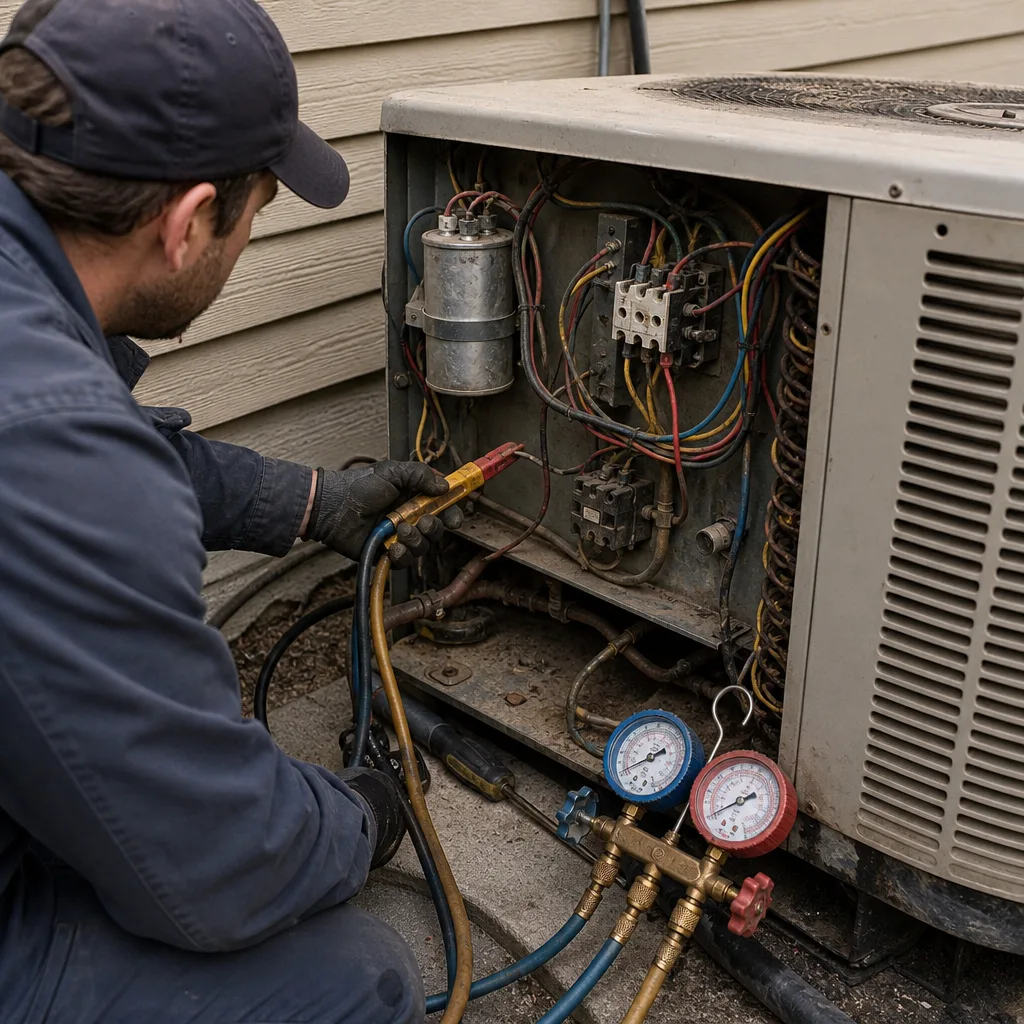 Before
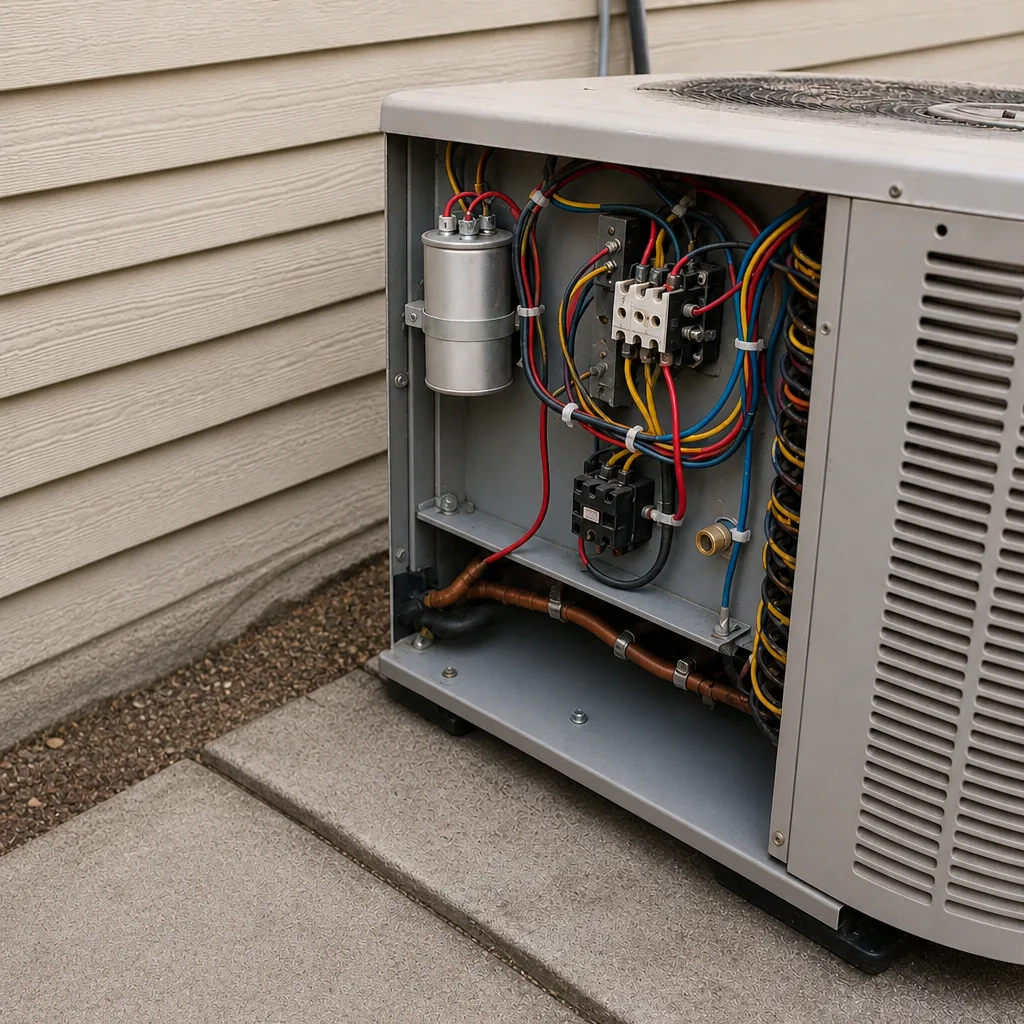 After
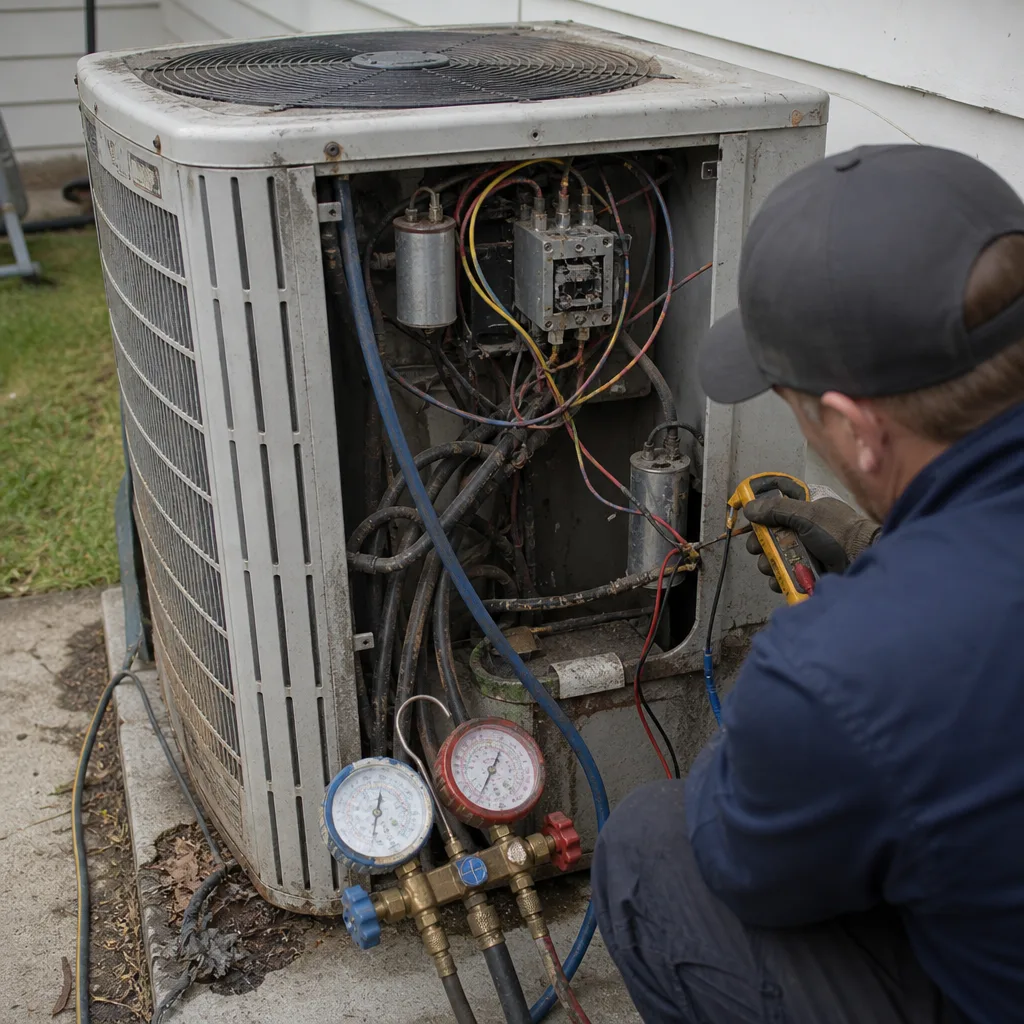 Before
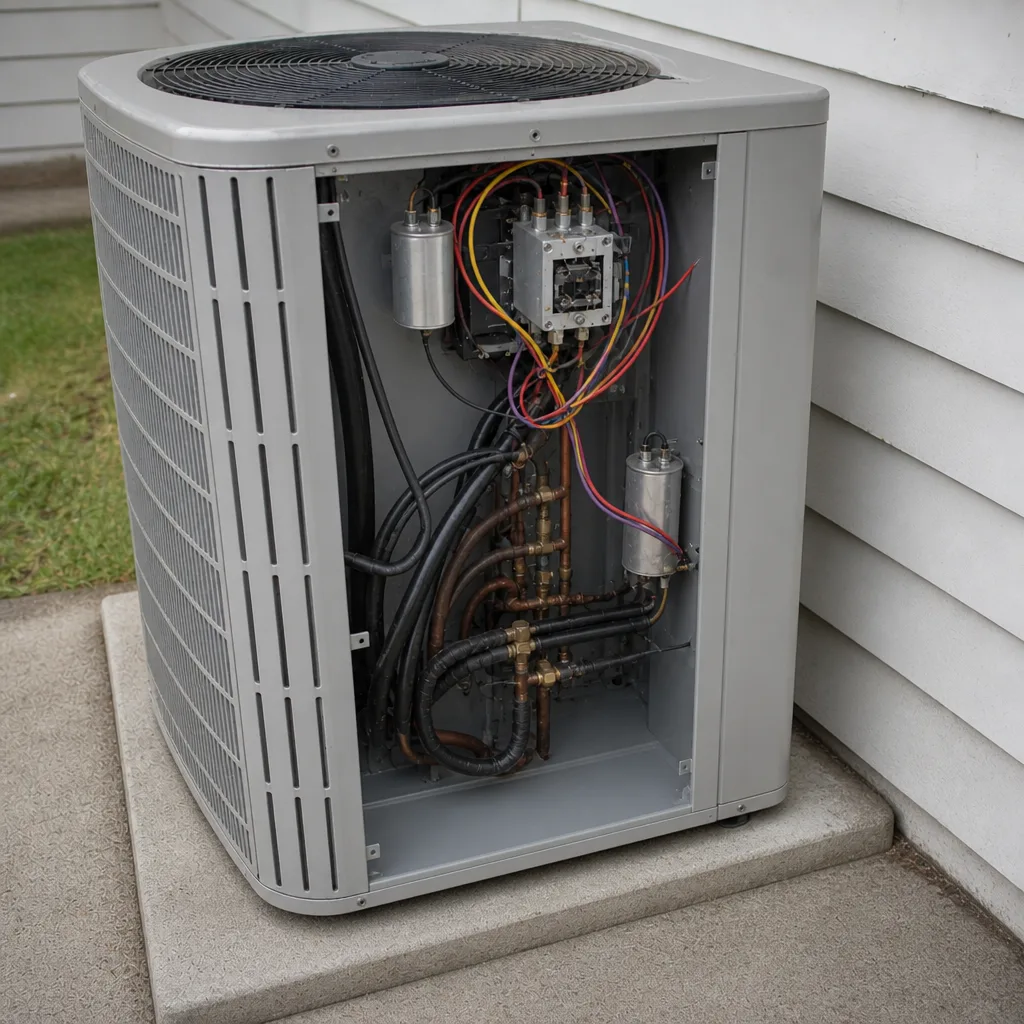 After
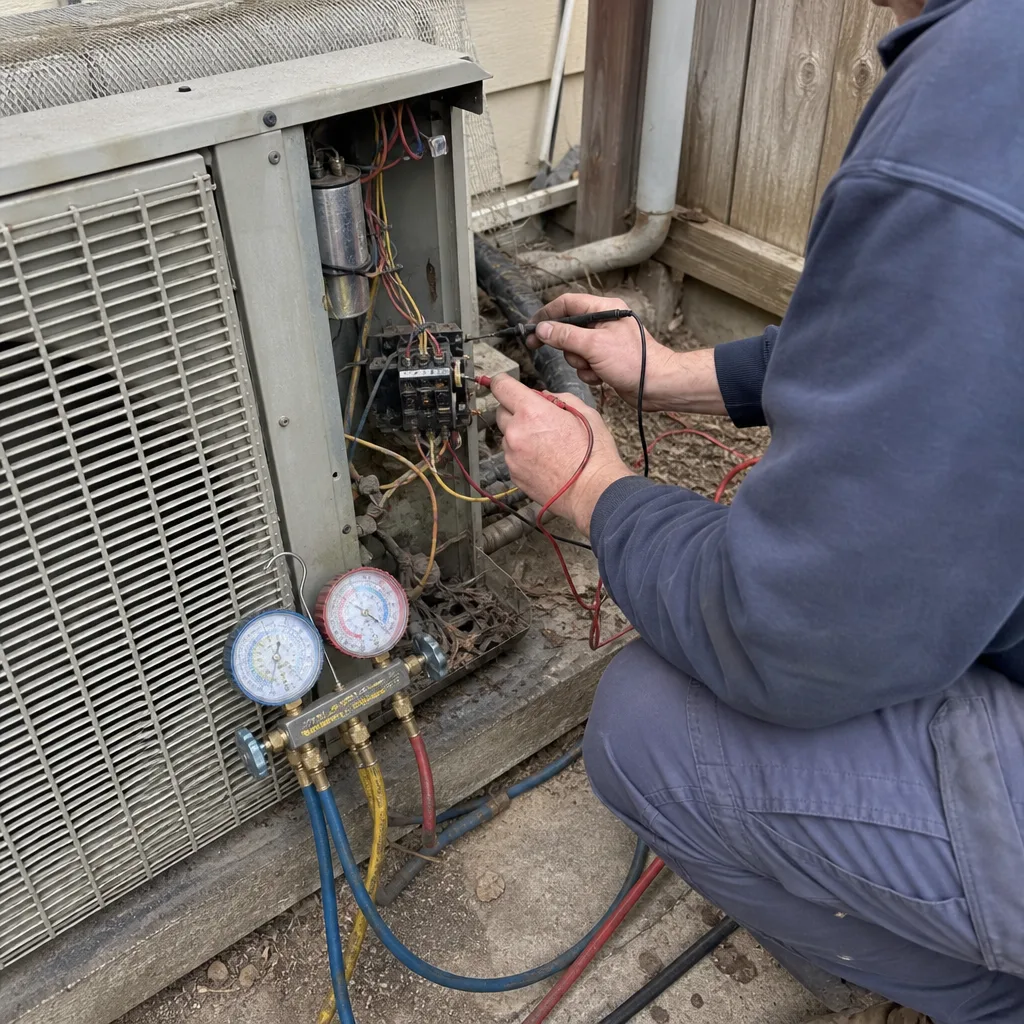 Before
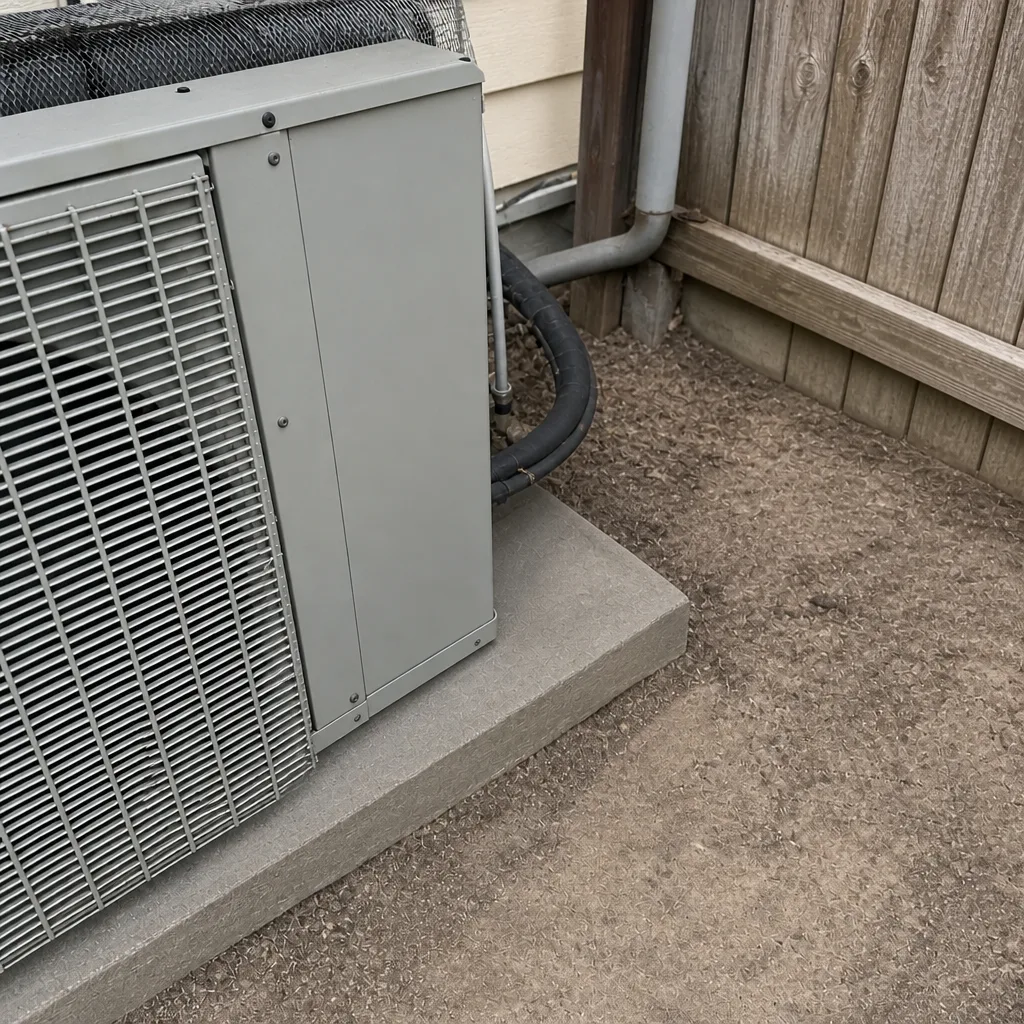 After
Common Mistakes to Avoid
- Not verifying the DOPL license. The lookup takes 30 seconds and heading off an unlicensed contractor is worth every one of them. Every unpermitted, unlicensed install we’ve seen ended up costing the homeowner more than the original job.
- Accepting a quote without a load calculation. Square footage is not a load calculation. A contractor who sizes a new system by eyeballing the house is the one you’ll be calling in two summers when the system short-cycles.
- Skipping the permit. Watch for quotes that don’t mention the permit fee. That’s usually not because the job doesn’t need one; it’s because the contractor is planning to save the fee and skip the inspection.
- Not asking which brands the contractor supports. A contractor who sells only one brand can’t be objective. Ask what else they work on before you sign.
- Full payment up front. Milestone schedules protect you. A contractor who wants the whole check before ordering equipment is a contractor who has nothing to lose if the job goes badly.
- Choosing on price alone. The cheapest quote is usually cheapest because of what it left out. Compare scopes, not just totals.
- Ignoring the maintenance question. Ask how often filters should be changed in the valley’s dusty environment and what the contractor recommends for annual check-ups. Knowing that up front keeps the system running longer.
When to Call a Professional
Some HVAC questions are do-it-yourself questions. Some aren’t. Anything involving the furnace heat exchanger, gas lines, electrical connections at the equipment, or the refrigerant circuit needs a trained professional, and this is one area where the safety margin really matters. A faulty heat exchanger can introduce carbon monoxide into the house, and gas line work isn’t something to experiment with. Call a professional for those, period.
For the more routine calls: a furnace that’s failing and keeping the house cold, an AC that’s running but not cooling, a system that’s cycling on and off, strange noises from the equipment, or a quote you want a second opinion on. If you’re in West Valley City and want an honest read on a system, we can help. See our West Valley City page for what we cover, or reach us directly. Oakridge AC Repair offers free estimates in West Valley City. Call (844) 945-2917. We answer 24/7. Fast dispatch from 7am to 7pm, Sunday through Friday.
Frequently Asked Questions
Use the Utah Division of Occupational and Professional Licensing (DOPL) online license lookup by name or license number, and confirm the license is active, the class is correct, and the business name matches the quote. The lookup takes about 30 seconds. Check the disciplinary action record at the same time, then ask the contractor to explain anything you find.
Yes. A Manual J load calculation is how a contractor determines the right system capacity for your specific house, and any quote without one is a guess. Ask for the output document. A contractor who ran the calculation will share it; one who didn’t will change the subject. Call (844) 945-2917 if you’d like a quote that includes one.
The HVAC contractor should pull the mechanical permit before work begins, and the permit fee should appear as a line item on the written quote. The inspection that follows is a second set of eyes on the install, and the paper trail matters when you sell the house. Ask to see the permit before work and the sign-off after.
Yes, because a single-brand dealer can’t offer a truly objective recommendation; their only option is what they sell. That doesn’t mean the brand is bad, but it does mean you’re not getting a comparison. Ask what other brands they considered, then compare quotes across at least two contractors who work on different equipment.
A fair schedule uses milestones: a deposit to cover equipment and materials, a mid-payment when the install is complete and running, and a final balance after the permit inspection is signed off. Any demand for full payment up front, or any pressure to skip the written contract, is a reason to walk.
You should. If your home has a Rheem, York, Daikin, or Bryant system, ask whether the contractor services that brand before you hire them. A contractor who works on the equipment you already own can give you a real repair-versus-replace comparison; one who can’t may nudge you toward a full replacement you don’t need.
The Bottom Line
Hiring an HVAC contractor in West Valley City comes down to six questions: is the license active, will they run a load calculation, who pulls the permit, what exactly is on the quote, are they brand-neutral, and what’s the payment schedule. You can get clear answers to all six in a single afternoon of phone calls. The contractors who answer them without flinching are the ones worth your money. The ones who dodge are telling you something. Take the 30 seconds to check the DOPL record, take the extra day to compare quotes, and you’ll avoid the expensive mistakes that are easy to prevent. If you’d like a straight answer on a repair, a replacement, or a system that isn’t behaving, our furnace repair team is one call away.
If you’d rather skip the guesswork and have a contractor who answers all six questions before you ask, call Oakridge AC Repair at (844) 945-2917 for a free estimate in West Valley City. We answer 24/7. Fast dispatch from 7am to 7pm, Sunday through Friday. Our technicians have up to 9 years of experience, work on nine leading HVAC brands, and give you the same answer whether you’re repairing or replacing.
Written by the team at Oakridge AC Repair.