
Last updated November 15, 2026
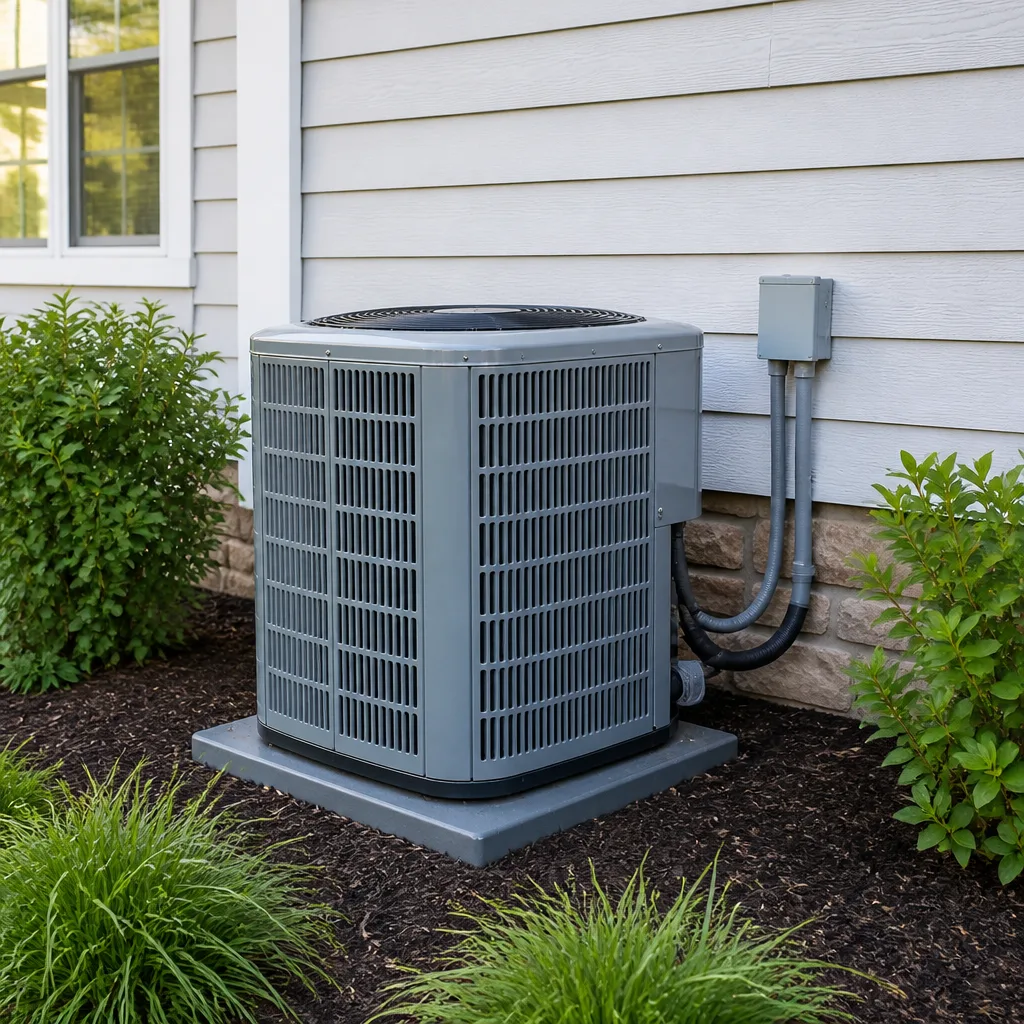 AC repair
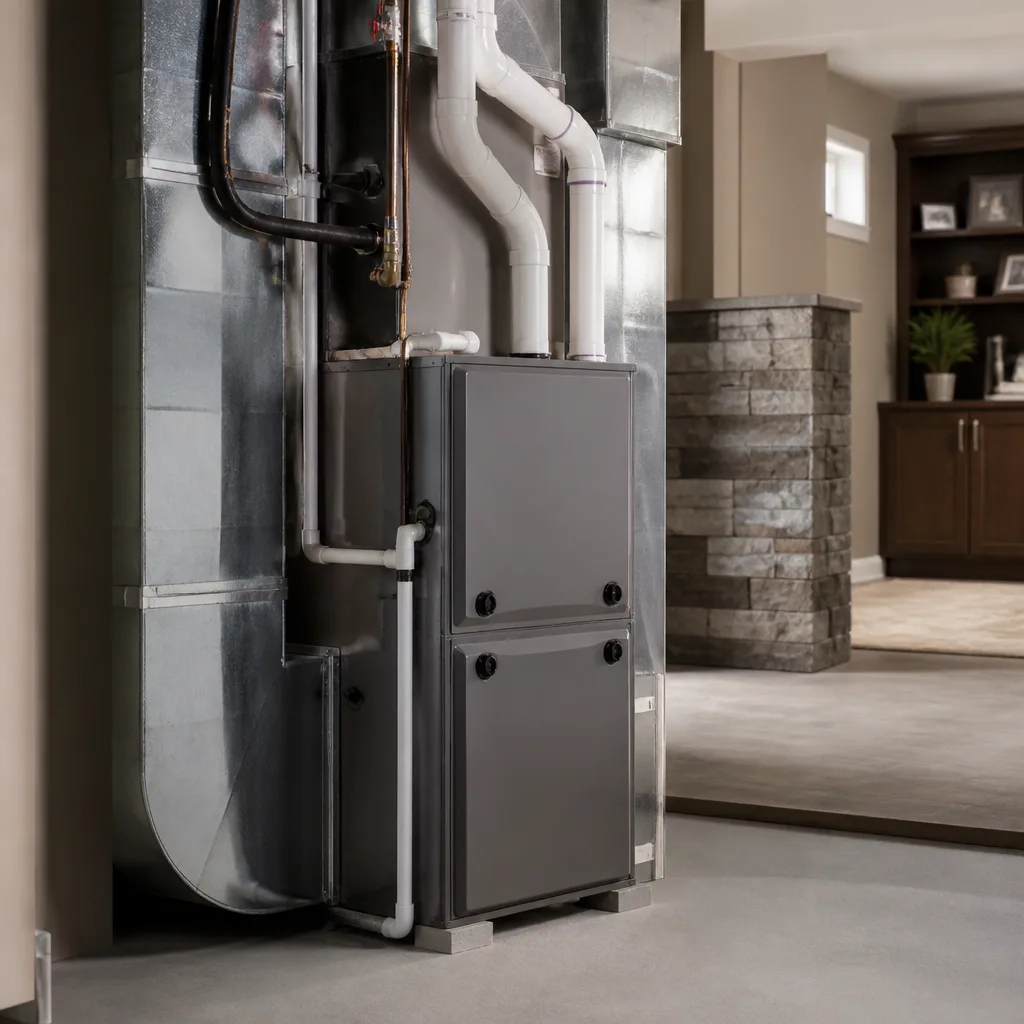 Furnace & heating
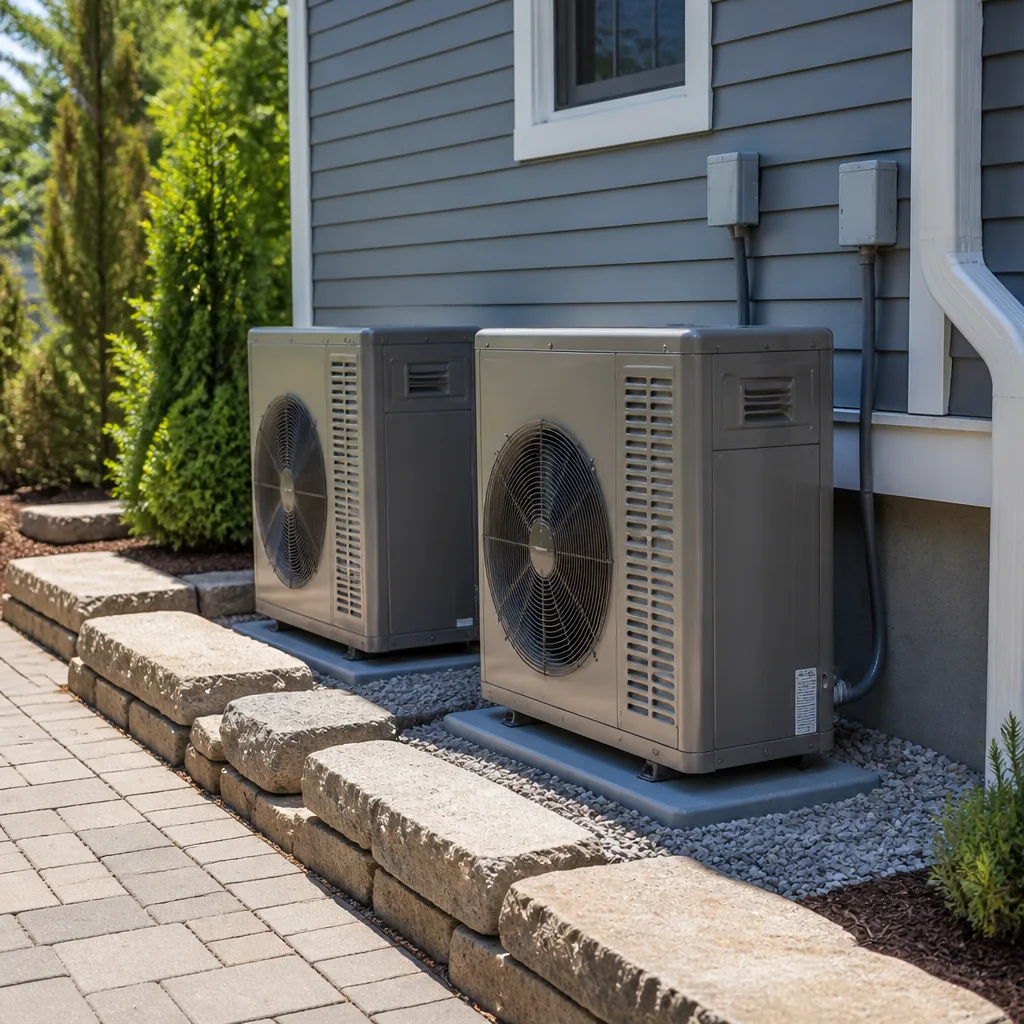 Heat pumps
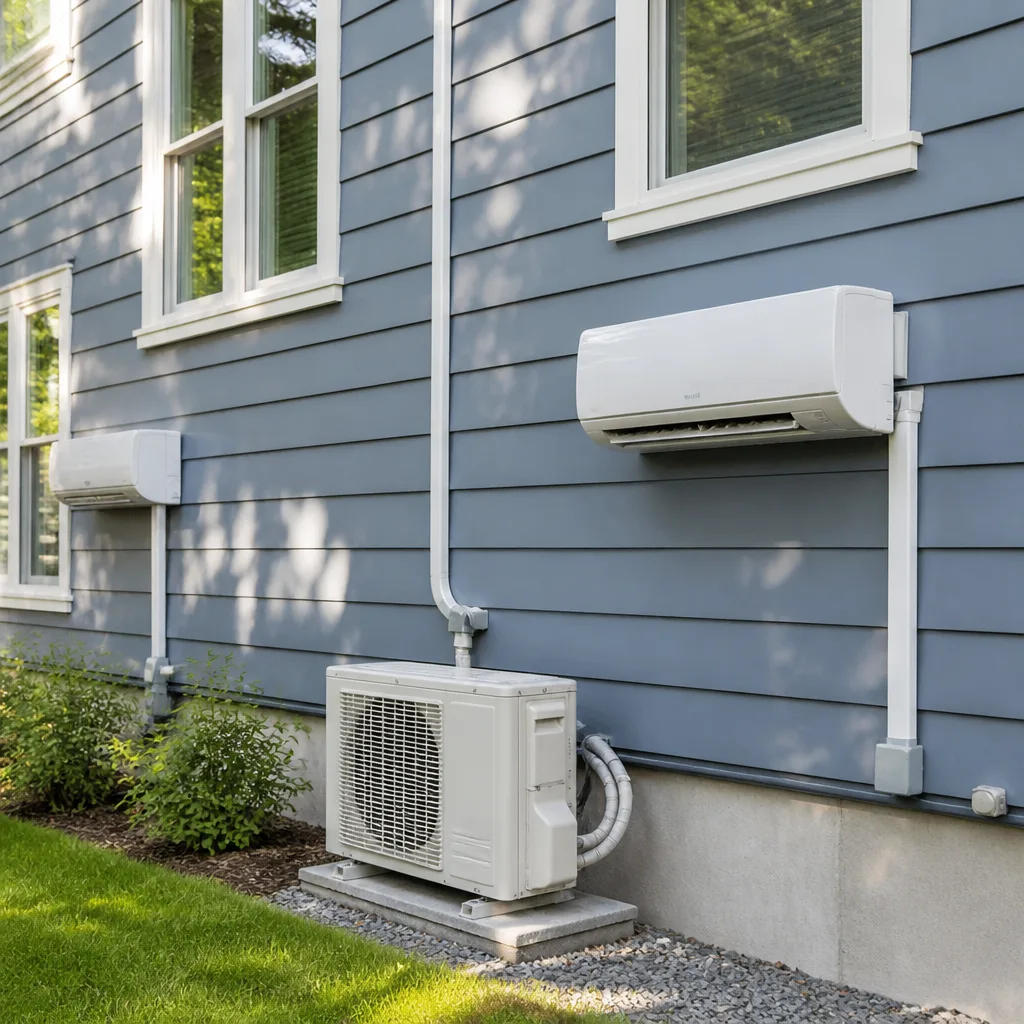 Ductless mini splits
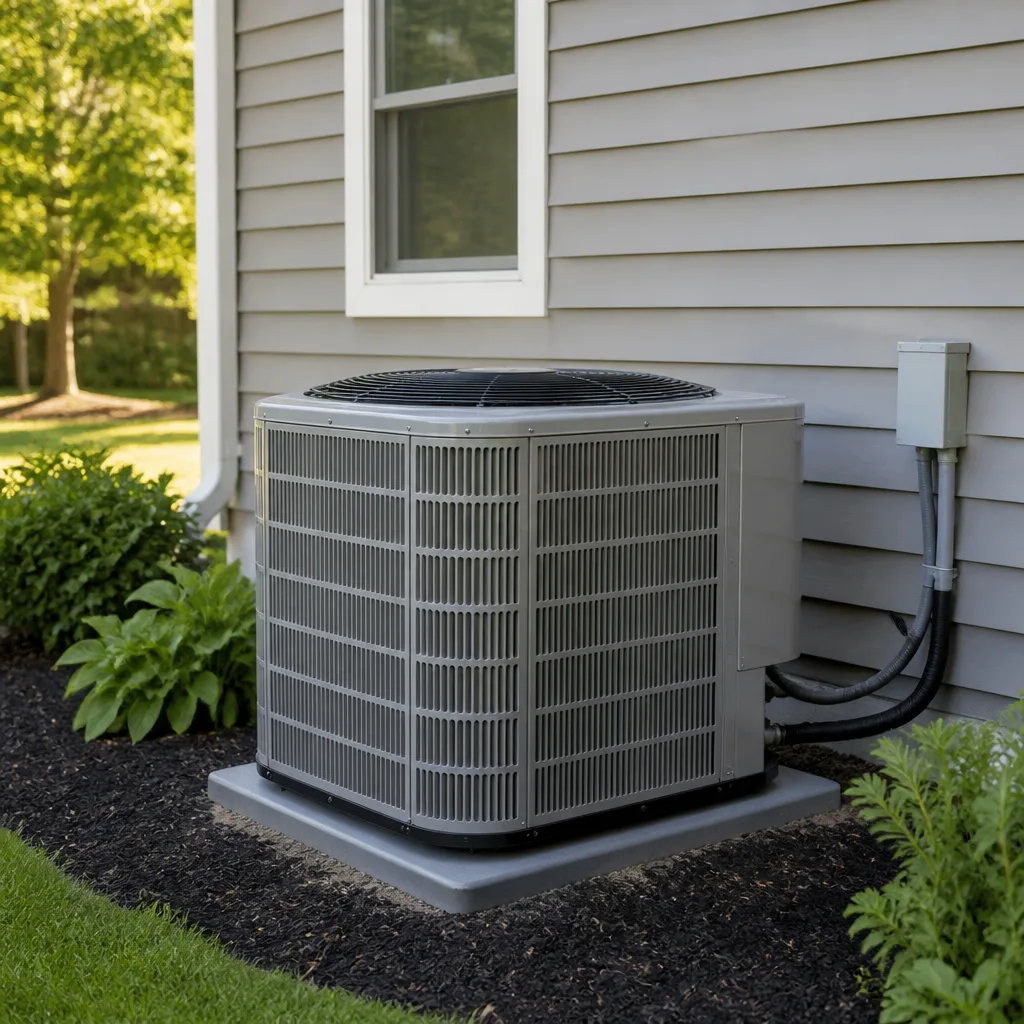 Carrier
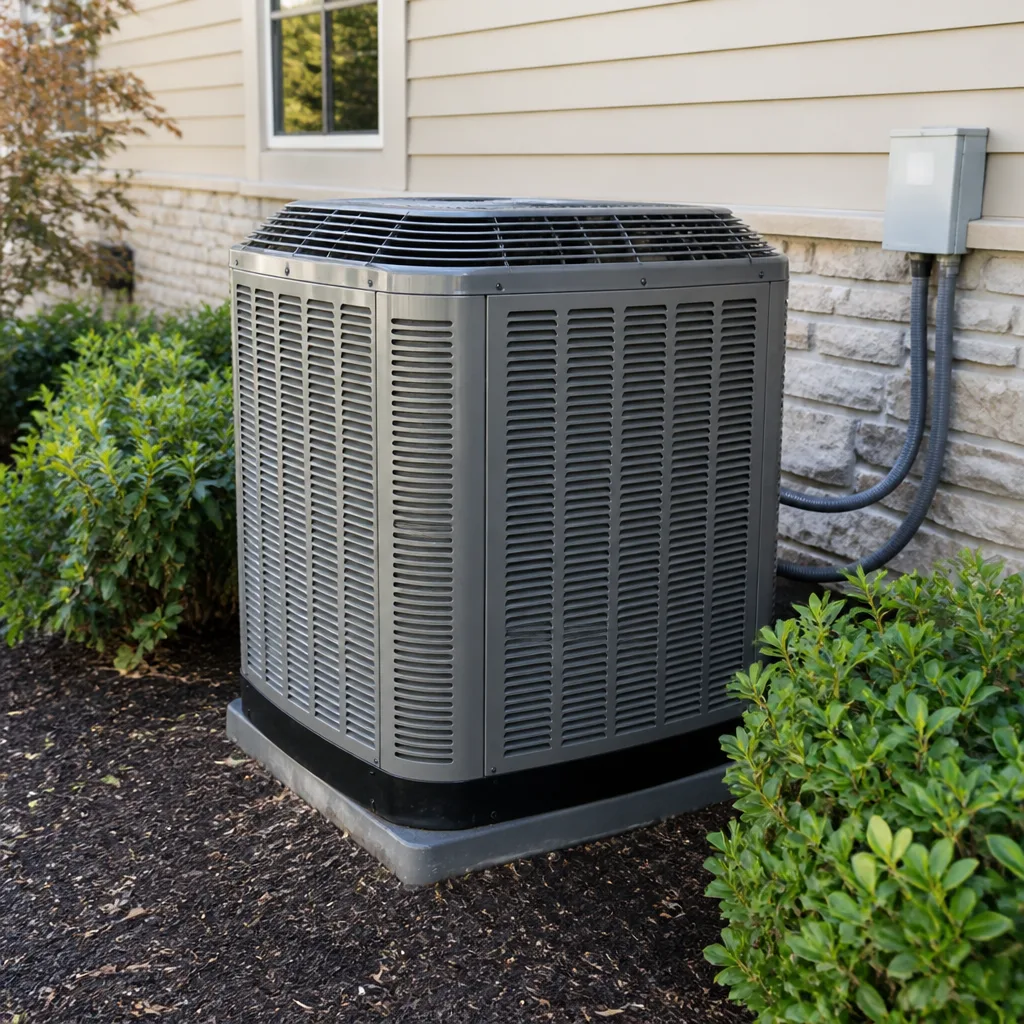 Trane
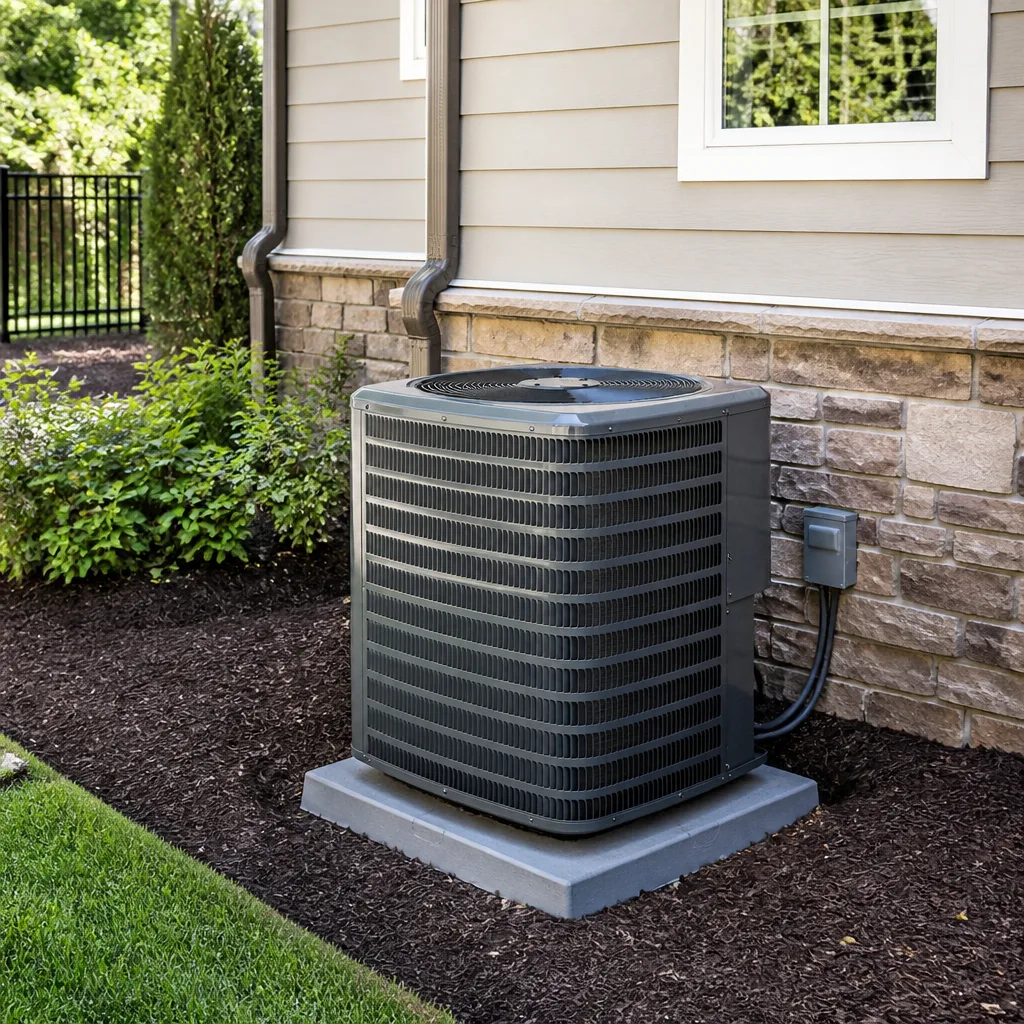 Goodman
Seasonal tune-up and full diagnostic on your Carrier, Trane, or Goodman system - readings shown to you before any repair is proposed
Diagnosis first, numbers second - you approve the repair price before a single part goes in.
Get your free estimateHVAC Emergency Preparedness Guide for West Valley City Homes
Most homeowners think an HVAC emergency is something you react to. It isn’t. It’s something you prepare for. The difference matters in West Valley City, where the same house can face a 100°F+ heat event in July and an inversion that traps cold air against the valley floor in January. Those are two different emergencies, and they call for two different plans. A family that has thought through both ahead of time can stay safe when the system quits. A family that hasn’t spends a week waiting for help while the indoor temperature climbs or drops. This guide covers the preparation that actually works here, from the parts worth keeping on hand to the shutoff valves every West Valley City homeowner should be able to find without thinking.
Quick Answer
An HVAC emergency plan for West Valley City means preparing separately for summer AC failure and winter furnace failure. For summer, know how to cut heat load safely and keep a spare capacitor, filters, and condensate tablets on hand. For winter, know your gas meter and electrical disconnect locations and treat any furnace smell or carbon monoxide alarm as a life-safety event, not a repair call. Establish a service relationship before you need one, and call Oakridge AC Repair at (844) 945-2917 for a free estimate.
Styles & brands we work with
- AC repair
- Furnace & heating
- Heat pumps
- Ductless mini splits
- Carrier
- Trane
- Goodman
Table of Contents
- Why West Valley City Faces Two Different HVAC Emergencies
- Building a Pre-Season HVAC Emergency Kit
- How to Safely Reduce Heat Load During an AC Outage
- Carbon Monoxide Response: What to Do Before the Technician Arrives
- Utility Shutoff Locations Every West Valley City Homeowner Should Know
- How to Build a Service Relationship Before You Need One
- Why Brand Compatibility Matters in a Crisis
- Winter Furnace Readiness for Inversion Season
Why West Valley City Faces Two Different HVAC Emergencies
West Valley City sits in the Salt Lake Valley, and that geography drives two very different comfort crises. In summer, high pressure parks over the valley and temperatures push past 100°F for stretches at a time. In winter, cold air settles and inversions hold it in place, sometimes for days. The heating and cooling loads are extreme in both directions, and equipment fails at exactly the moment it’s working hardest.
The July 2021 heat event is a useful reference point. During that stretch, HVAC companies across Salt Lake County were quoting five to seven day waits for service calls. Homeowners without a plan spent that week in indoor heat that can become genuinely dangerous, especially for older adults and young children. That’s not a scare tactic. It’s the reason preparation beats reaction.
The two scenarios call for different thinking:
- Summer AC failure is a heat-management problem. The goal is to keep the house livable while you wait for service, without creating secondary hazards like extension cord overloads or blocked airflow.
- Winter furnace failure is a safety problem first and a comfort problem second. A failed furnace can also mean a carbon monoxide risk, and that changes the order of operations entirely.
West Valley City homes also run the full range of housing stock, from older homes with original ductwork to newer builds with tighter envelopes. Tight construction holds heat in summer and traps combustion byproducts in winter, so the age of your home shapes how fast an outage turns serious. Knowing your house’s behavior in extreme weather is part of the plan.
Building a Pre-Season HVAC Emergency Kit
A little preparation before peak season goes a long way. The right spare parts won’t fix a failed compressor, but they resolve the most common nuisance failures fast and keep small problems from becoming big ones. In our experience, the items below cover the failures that turn into emergency calls most often.
What to keep on hand
- A spare run capacitor. Failed capacitors are one of the most common reasons an AC or furnace won’t start. Matching the correct microfarad rating to your unit matters, so check the label on the existing part before you buy.
- Replacement air filters. Keep two or three of the correct size. A clogged filter strains the blower and reduces airflow, and in a West Valley City summer that strain shows up fast.
- Condensate drain tablets. These slow the algae growth that clogs condensate lines and triggers shutdowns. Drop one in at the start of cooling season.
- A flashlight and fresh batteries. Obvious, but the moment you need it is the moment you won’t have it.
- Your system’s model and serial numbers, written down. This speeds up parts lookup and tells any technician exactly what equipment they’re dealing with.
What not to keep
Don’t stock refrigerant, and don’t attempt to recharge a system yourself. Refrigerant handling requires licensing and equipment, and the wrong move can injure you or damage the system beyond repair. Capacitor replacement is the outer limit of what’s safe to attempt, and only if you’re comfortable working with the power fully off at the disconnect. For anything beyond that, bring in a trained professional.
If your equipment is a Lennox, Goodman, Rheem, or York unit, note the brand on your parts list. That detail helps when you call, because not every contractor works on every brand. Our team works on all four of those along with Carrier, Trane, Daikin, Bryant, and American Standard.
How to Safely Reduce Heat Load During an AC Outage
When the AC quits in a West Valley City heat event, the goal is to slow the rate at which the house heats up. You’re not trying to cool the house. You’re buying time. Do these things in order, and stop if anything feels unsafe.
- Close every window and pull the shades on sun-facing sides. Blocking direct sun can drop indoor temperatures noticeably. Keep windows shut during the day and open them only after the outside air cools below the indoor temperature.
- Stop heat-generating activity. Skip the oven, the dryer, and the dishwasher until the system is back. Even a few hours of appliance heat adds up.
- Run fans, but point them at people, not at windows. Fans cool people through air movement, not by lowering the room temperature. Don’t run a whole-house fan unless you’ve confirmed the outside air is actually cooler.
- Move to the lowest floor. Heat rises, and a basement or ground-floor room will stay several degrees cooler than an upstairs bedroom.
- Use cooling centers if the indoor temperature climbs. Public libraries and community centers give you a safe place to wait out the worst of the heat, particularly if anyone in the home is older, very young, or has a health condition.
One hazard to avoid: don’t string together extension cords to run portable AC units or extra fans. Overloaded cords and outlets are a fire risk, and a fire during a heat event is worse than the heat itself. Plug high-draw appliances directly into wall outlets with adequate capacity. If you notice outlets warm to the touch, unplug everything and call in a professional.
If the outage is long enough that you’re considering a window unit as a stopgap, check the circuit first. Most window units draw enough current that they need their own dedicated circuit. That’s the kind of detail that’s easier to sort out before the emergency than during it.
Carbon Monoxide Response: What to Do Before the Technician Arrives
Carbon monoxide is the reason furnace emergencies get treated differently from AC emergencies. A furnace that’s burning fuel improperly can produce CO, an odorless gas that causes serious harm without warning. Every West Valley City home with a fuel-burning furnace should have working CO detectors on each level and near sleeping areas. If a detector alarms, treat it as a life-safety event, not a repair request.
If a CO alarm sounds
- Get everyone outside immediately. Don’t stop to gather belongings. Move to fresh air and take a head count.
- Call 911 from outside. Emergency responders can confirm the source and check for exposure. Don’t re-enter until they tell you it’s safe.
- Don’t relight the furnace. If the pilot won’t stay lit or you smell gas, leave it alone. Gas smells like rotten eggs, and that’s an emergency, not a troubleshooting challenge.
- Once the home is cleared, call a professional. A technician needs to inspect the heat exchanger, flue, and combustion path before the system runs again.
A cracked heat exchanger is one of the most serious furnace failures we see, and it’s not something a homeowner can inspect safely. If you notice soot around the furnace, a yellow rather than blue flame, or persistent headaches and nausea when the heat runs, shut the furnace down and call. These are the same signs that precede CO problems.
Ventilation matters here. West Valley City’s winter inversions trap cold air and can reduce how efficiently exhaust vents work. Make sure your flue and vent terminations aren’t blocked by snow or debris, and never run a furnace with a cracked heat exchanger while you wait for a repair. For any furnace concern that involves combustion, bring in a trained professional rather than attempting a fix.
Utility Shutoff Locations Every West Valley City Homeowner Should Know
When something goes wrong fast, seconds matter. Knowing where your gas meter and electrical disconnect are, and how to operate them, prevents small problems from becoming dangerous ones. Walk through your home this week and locate each of these.
Gas meter
Your gas meter is usually at the side or rear of the house. The shutoff valve sits on the pipe leading into the meter. To close it, turn the valve handle a quarter turn so it’s perpendicular to the pipe. A wrench is usually needed, so keep one nearby. Don’t turn the gas back on yourself. Once the gas is off, a utility technician or licensed professional should restore it.
Electrical disconnect
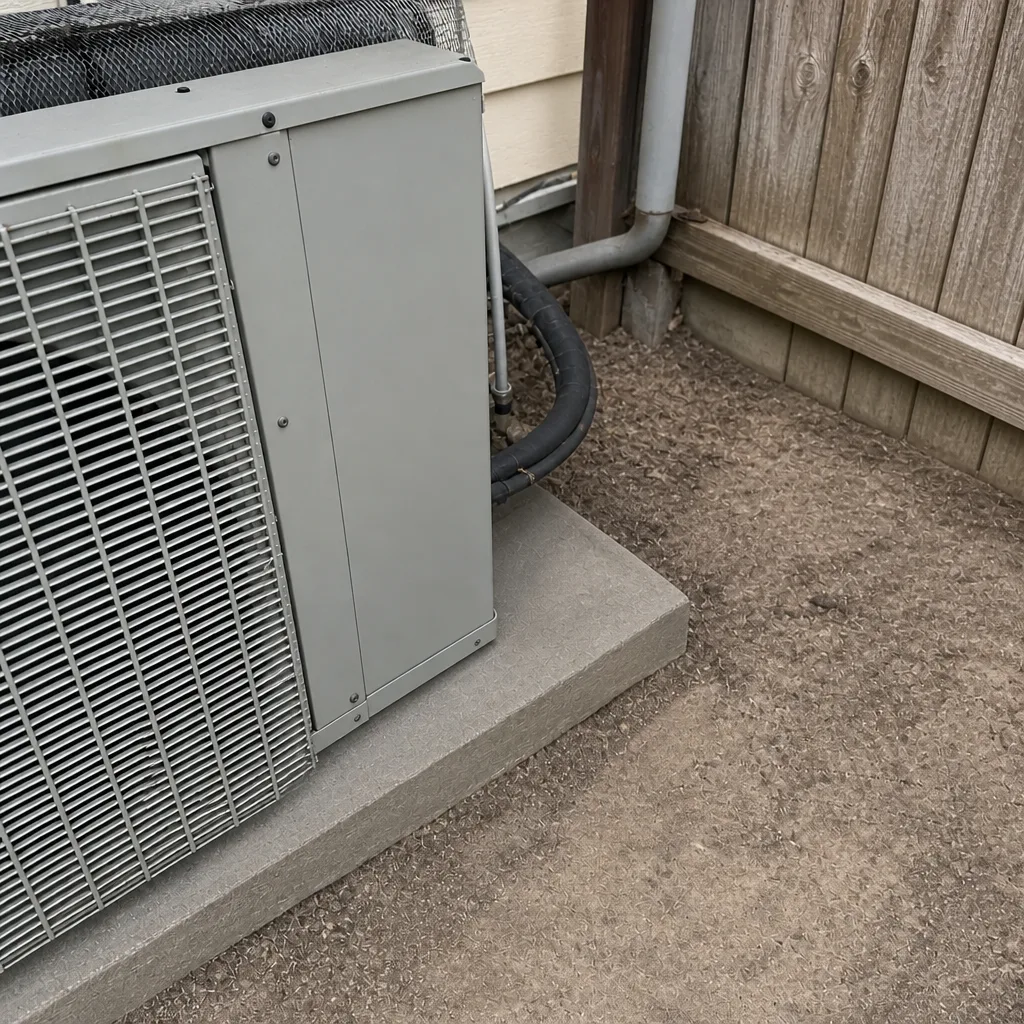
Your outdoor AC unit has a disconnect box near the condenser. Inside it is a pull-out block or a switch that cuts power to the condenser only. Your main electrical panel, usually in a garage or utility closet, has a main breaker that cuts power to the whole house. For a furnace or air handler, the disconnect is often a switch on or near the unit. Know which breaker feeds your furnace and label it.
Smoke and CO detectors
Press the test button on each detector and note which ones are due for a battery change. This takes minutes and matters more than any other preparation on this list.
If you’re not sure how to operate any of these safely, don’t guess. A wrong move at the gas meter or main panel can injure you. Call a professional, or ask your utility to walk you through it. This is one part of emergency prep where the trained answer beats the DIY answer.
How to Build a Service Relationship Before You Need One
The best time to find a contractor is when nothing is broken. Establishing a relationship ahead of peak season means you know who to call and they know your home, so the first conversation isn’t happening during a five-day backlog. Here’s what to ask before you commit.
- Which brands do you work on? A contractor that only handles one manufacturer may tell you your equipment is “out of network.” Ask whether they work on the brand you already own.
- Do you install and repair? The technicians who install systems should also know how to fix them, so there’s no handoff between separate teams.
- How do you price? Ask for the estimate process up front. A written estimate sets the final price, and that should be clear before any work starts.
- What’s the wait like in peak season? This tells you how much you can rely on them when it counts.
- Can you provide a free estimate? A no-cost estimate lets you plan replacements without pressure.
Write down the company name and number and put it somewhere you’ll find it without power. A sticky note on the breaker panel works. So does a note in your phone. Keep your system model and serial numbers with it.
If you want a single contractor for both heating and cooling, we handle that. Oakridge AC Repair works on both AC installation and furnace repair, so a failed system doesn’t mean juggling two companies. That continuity matters most during an emergency, when you want one number to call.
Why Brand Compatibility Matters in a Crisis
In an emergency, the last thing you want is to be told your system is out of network. Brand compatibility shortens the path from breakdown to repair, because matching parts and familiarity with the equipment speed up the diagnosis. That’s the practical reason we work across nine leading brands: Carrier, Trane, Lennox, Goodman, Rheem, York, Daikin, Bryant, and American Standard. Whatever you own, chances are it’s a system we know.
Compatibility also affects replacement decisions. If a failed component is only available through one manufacturer’s network, the repair can take longer. A brand-neutral contractor can weigh the cost and availability of the repair against a full replacement and tell you which makes more sense. That’s the advice you want from a specialist, not from the person trying to hit a sales target.
Our technicians have up to 9 years of experience, and that depth shows most clearly when a system is down and the diagnosis has to be right the first time. We don’t push a single brand. We recommend the system that fits your budget and your home, whether that’s a familiar Goodman, a Rheem, or a York.
Winter Furnace Readiness for Inversion Season
Winter asks more of your furnace than summer asks of your AC, because a furnace outage carries safety risks a cooling outage doesn’t. West Valley City’s inversions are the complicating factor: when cold air settles and stays, your furnace runs harder for longer, and any weakness in the system gets exposed. Prepare in the fall, before the first hard freeze.
Fall checklist
- Change the filter. A blocked filter makes the furnace work harder and can trip a safety switch.
- Test the heat before you need it. Turn the thermostat to heat on a mild day and confirm the furnace fires and warms the house.
- Check detector batteries and test function. CO and smoke detectors should be tested monthly and batteries replaced on schedule.
- Clear the flue. Make sure the vent termination isn’t blocked and has clearance from debris.
- Keep the intake clear. Don’t stack items against the furnace or block return air.
If the furnace short-cycles, makes a banging or rumbling noise, or the flame burns yellow instead of blue, stop running it and call a professional. Those are safety signals, not minor annoyances. Never attempt to bypass a safety switch or relight a furnace whose pilot won’t stay lit – that’s the point where the trained call matters most.
Common Mistakes to Avoid
- Waiting for a breakdown to find a contractor. Calling around during a peak-season backlog is the slowest possible way to get help. Line up a company before you need one.
- Overloading extension cords during a heat event. The cords overheat fast, and a fire is worse than the heat. Plug high-draw appliances directly into wall outlets.
- Ignoring a CO alarm because “the furnace seems fine.” CO is odorless and invisible. If the alarm sounds, get everyone outside and call 911.
- Relighting a furnace that won’t stay lit. A pilot that won’t hold usually means a safety issue with the combustion path. Leave it to a professional.
- Buying the wrong capacitor. A mismatched microfarad rating can damage the motor. Match the label exactly, or have a technician replace it.
- Assuming 100°F+ indoor heat is survivable for everyone. For older adults and young children, indoor heat becomes dangerous quickly. Know where your nearest cooling center is before you need it.
- Not labeling the furnace breaker. In a scramble, you don’t want to be flipping breakers at random to kill power to a system that’s smoking or shorting.
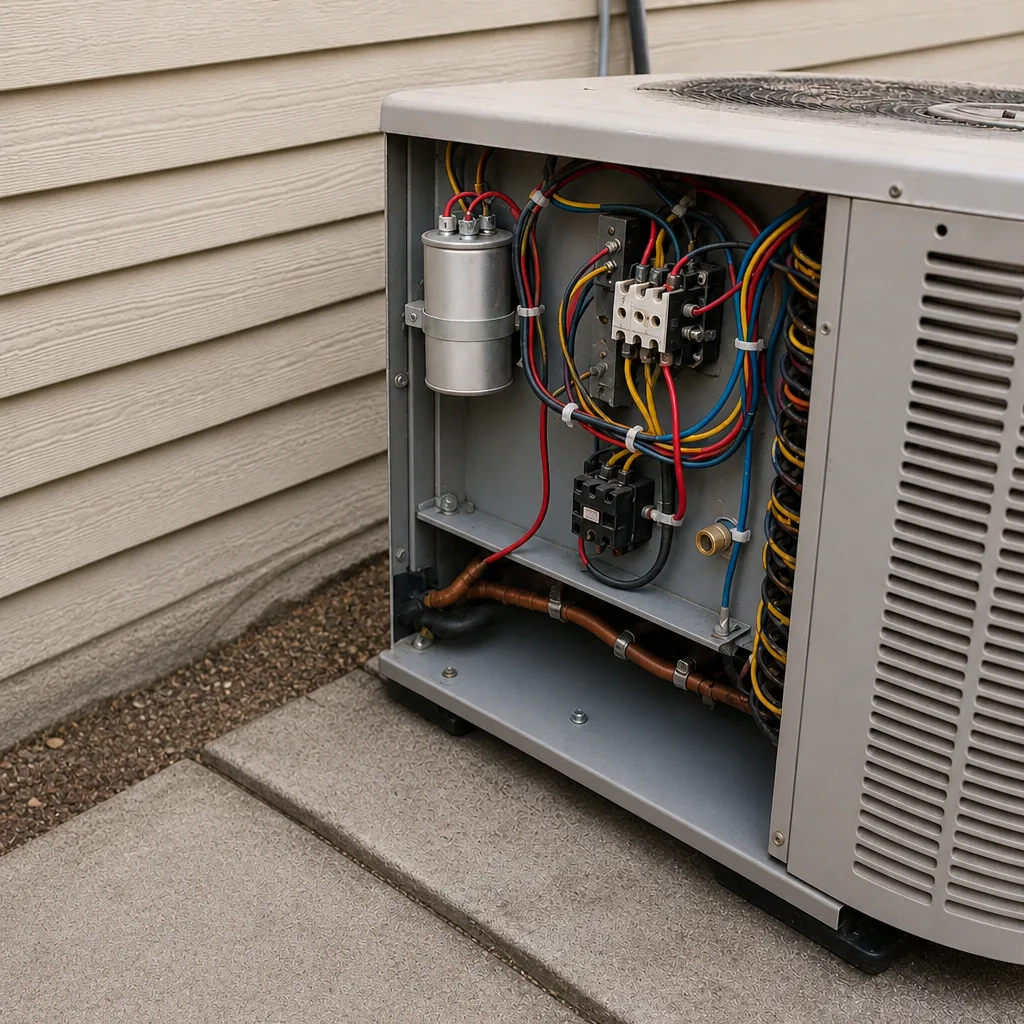
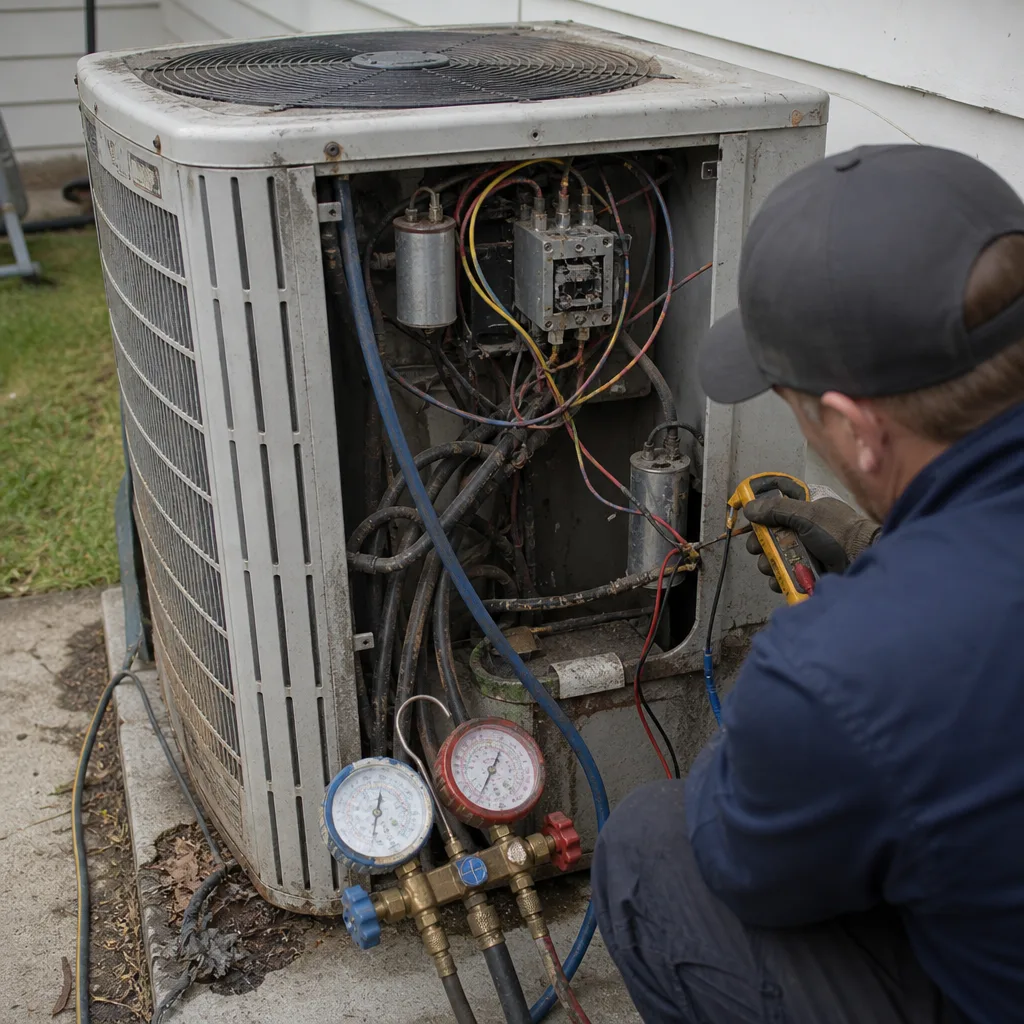
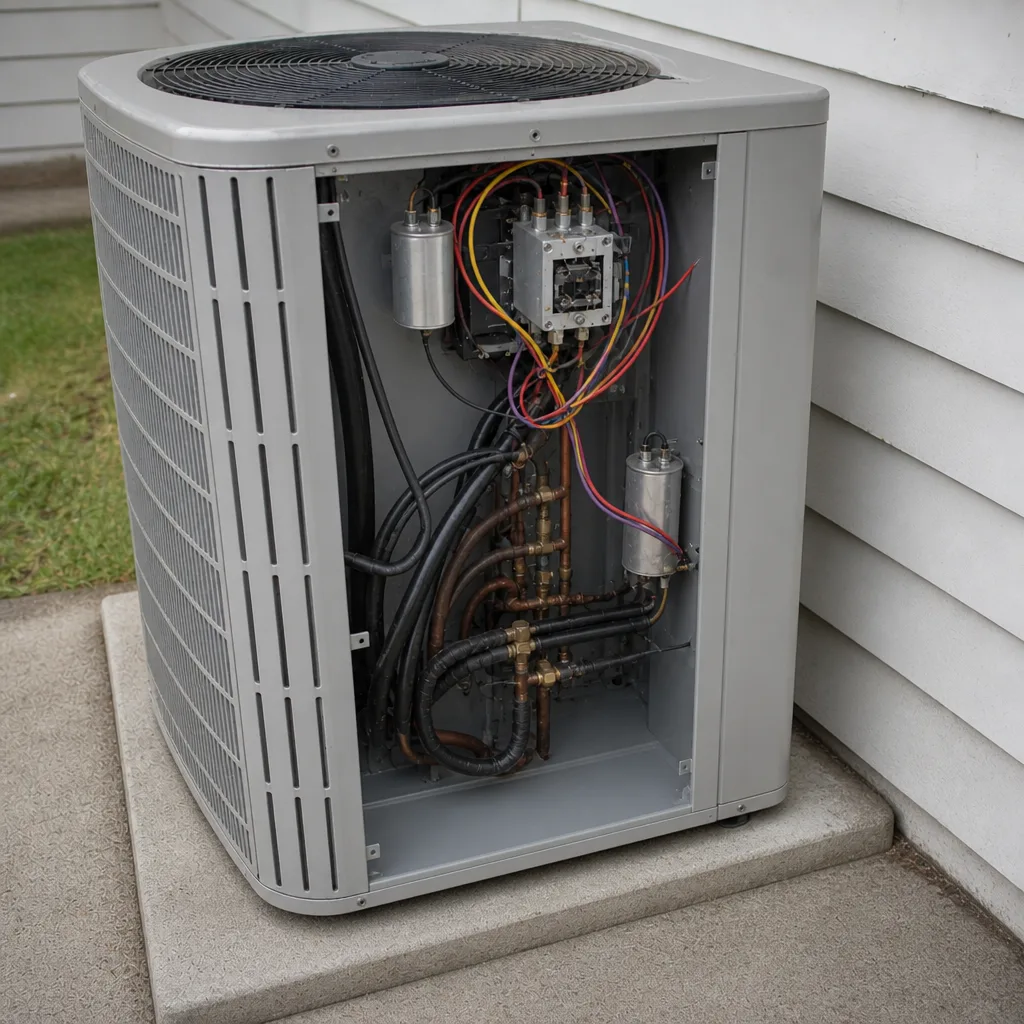
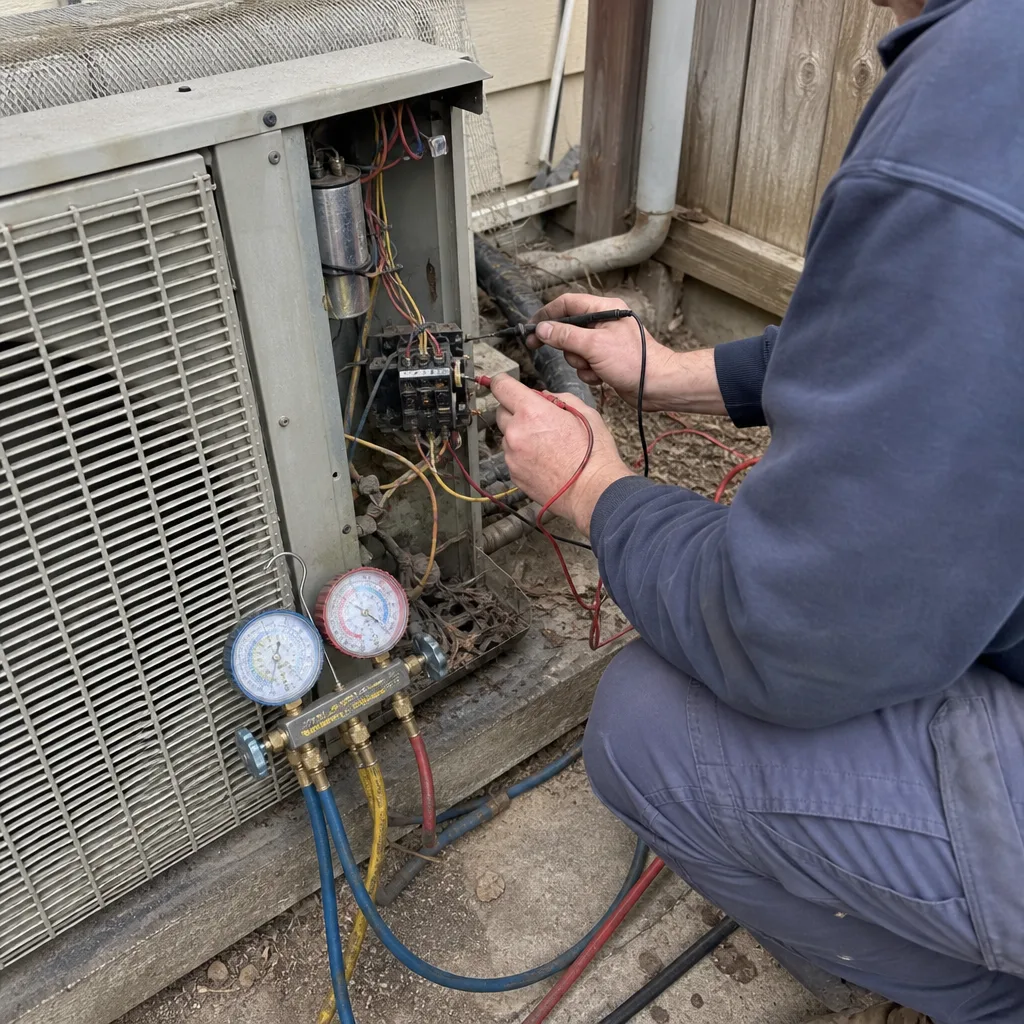
See the difference
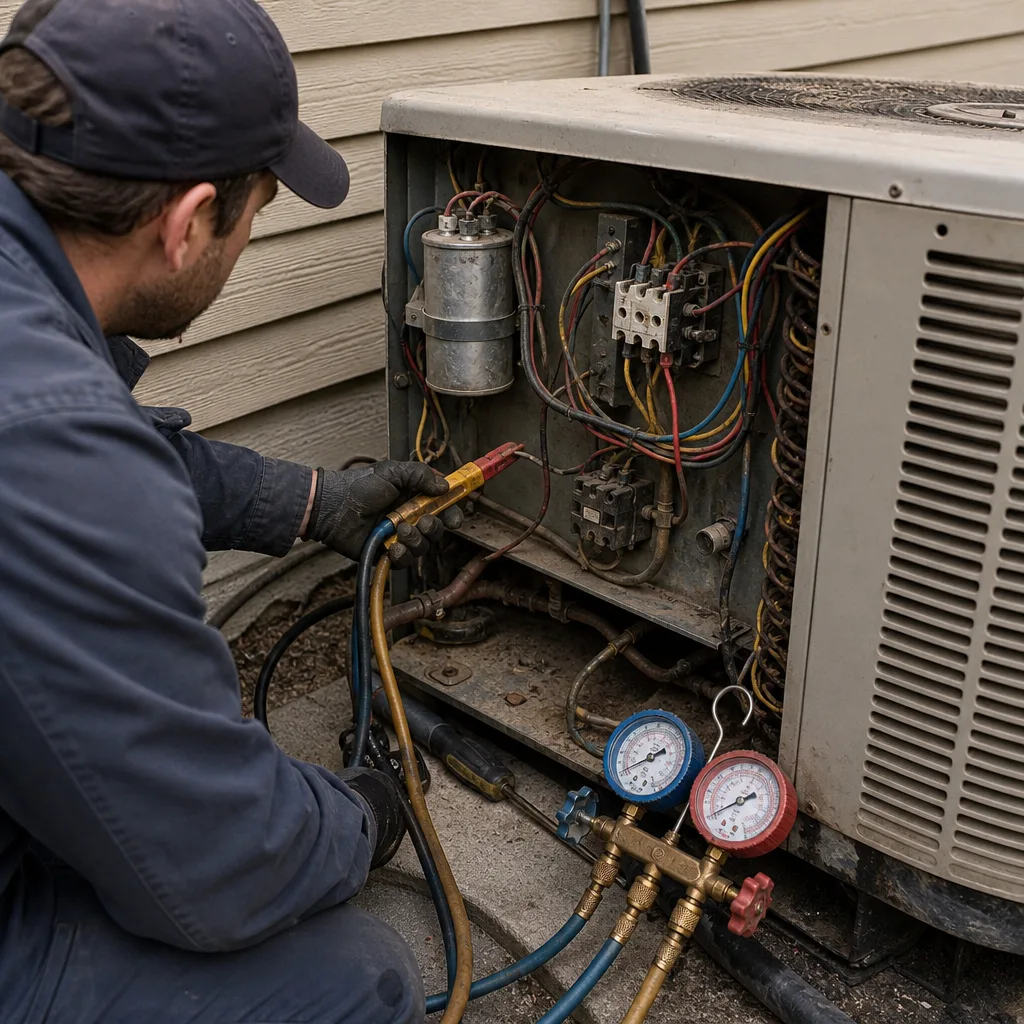 Before
 After
 Before
 After
 Before
 After
When to Call a Professional
Some problems are for a technician, not a wrench and a weekend. Call a professional if the furnace won’t fire or won’t stay lit, if you smell gas or detect CO, if the unit trips a breaker repeatedly, if the AC blows warm air, or if you see soot, a yellow flame, or a cracked heat exchanger. Call if an outdoor unit is shorting, icing over, or making a grinding noise. Call if a heat event or cold snap has taken the system down and you’re not confident in a fix. These are the scenarios where the trained diagnosis saves time and prevents injury. Oakridge AC Repair offers free estimates in West Valley City – call (844) 945-2917. We answer 24/7, with fast dispatch from 7am to 7pm, Sunday through Friday.
Frequently Asked Questions
Close windows and shades on sun-facing sides, stop heat-generating activity like the oven and dryer, and move to the lowest floor of the house. Run fans on people, not at windows. If the indoor temperature climbs and anyone in the home is older, very young, or has a health condition, use a cooling center while you wait. Then call a contractor. Call (844) 945-2917 for a free estimate.
Yes. An AC failure is a heat-management problem, but a furnace failure is a safety problem because of the carbon monoxide risk. If a CO alarm sounds or you smell gas, get everyone outside and call 911 before you do anything else. Don’t relight a furnace whose pilot won’t stay lit. Once the home is safe, call a professional. We answer 24/7 – call (844) 945-2917.
It’s on the pipe leading into your gas meter, usually at the side or rear of the house. Turn the handle a quarter turn so it sits perpendicular to the pipe; a wrench is usually needed. Turn it off if you smell gas or have a safety emergency, then leave the gas off and have a professional or your utility restore it. For an exact quote on a furnace concern, call (844) 945-2917.
It depends on the house, the time of day, and who lives there. Some homes stay livable for hours with shades drawn and fans running; others heat up fast, especially upstairs. Older adults and young children are at higher risk sooner. Don’t guess on safety – if the indoor temperature climbs into uncomfortable territory, move to a cooling center. For a service estimate, call (844) 945-2917.
It depends on the age of the system, the cost of the repair, and whether the part is available. A brand-neutral contractor can compare the two honestly. In many cases a repair makes sense; when it doesn’t, a replacement saves money over time. Ask for a written estimate and a clear recommendation. Call (844) 945-2917 for a free estimate.
Same-day service is often possible, but it depends on the backlog – during the July 2021 heat event, Salt Lake County companies were quoting five to seven day waits. We answer 24/7, with fast dispatch from 7am to 7pm, Sunday through Friday. The price is set per job by the written estimate, with no added charge for urgent timing. Call (844) 945-2917 for an exact quote – estimates are free.
The Bottom Line
An HVAC emergency in West Valley City is either a heat event or an inversion, and each one calls for its own plan. For summer, know how to cut heat load safely and keep spare filters, a capacitor, and condensate tablets on hand. For winter, know your gas and electrical shutoffs and treat any CO alarm or gas smell as a life-safety event. Build a relationship with a contractor before peak season hits, ask which brands they work on, and keep the number where you can find it without power. Preparation turns a scary week into a manageable one. Our team at Oakridge AC Repair is here for both scenarios, on the West Valley City equipment you already own and any system you’re considering next.
Call (844) 945-2917 for a free estimate. We answer 24/7. Fast dispatch from 7am to 7pm, Sunday through Friday.
Written by the team at Oakridge AC Repair.