
Last updated November 15, 2026
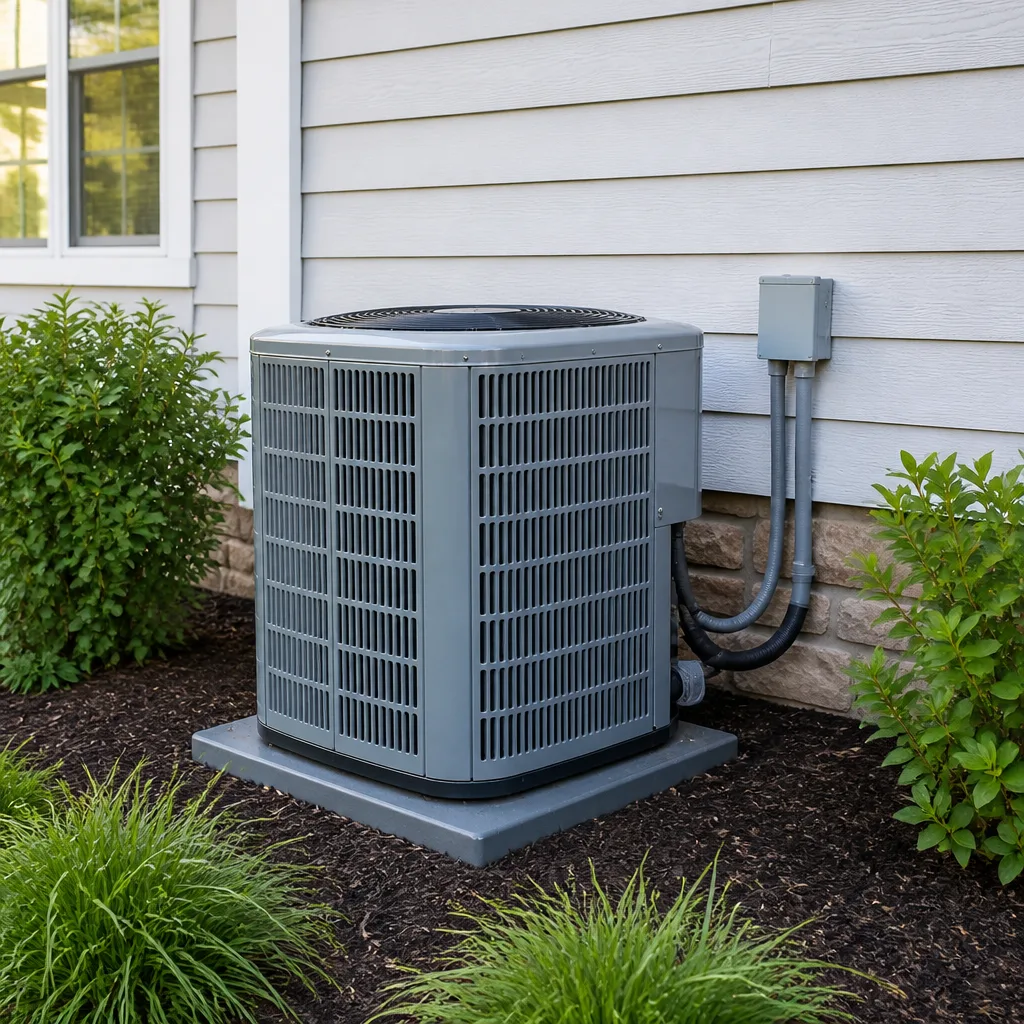 AC repair
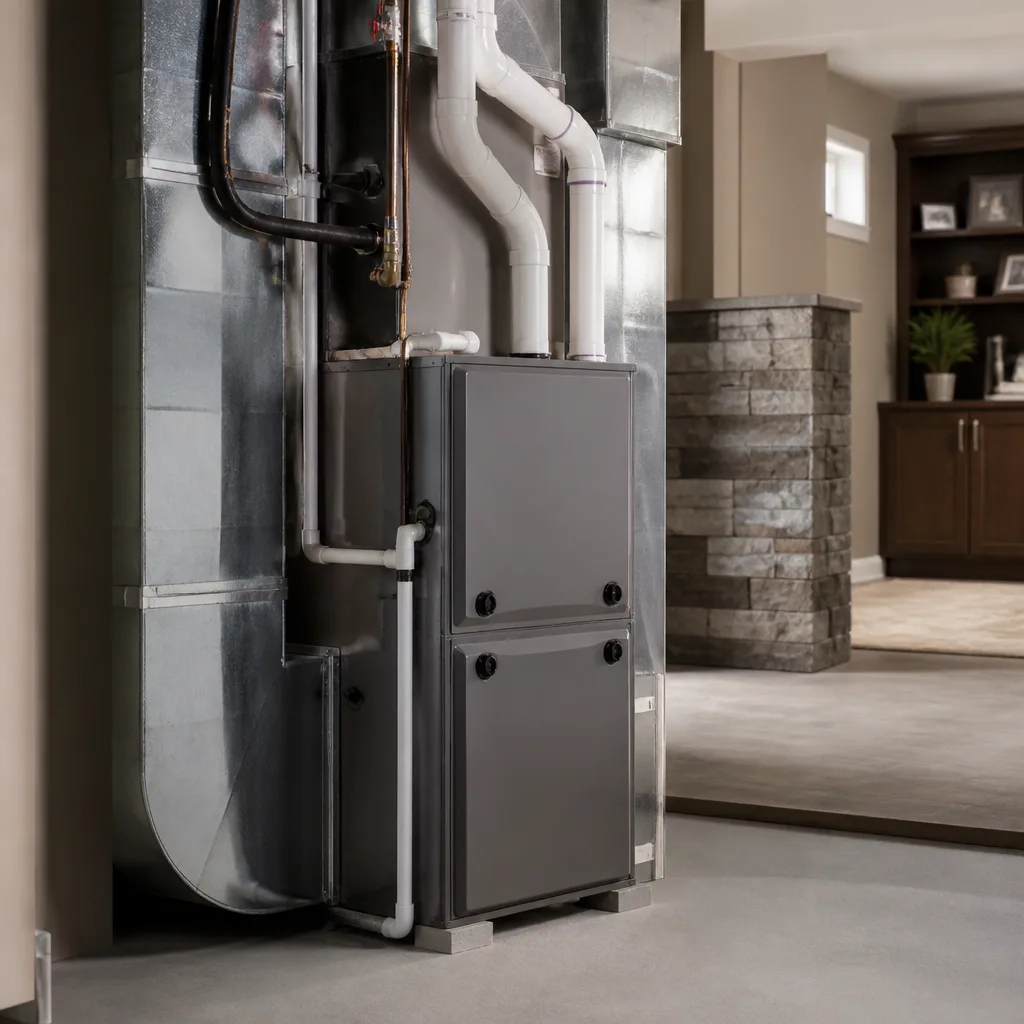 Furnace & heating
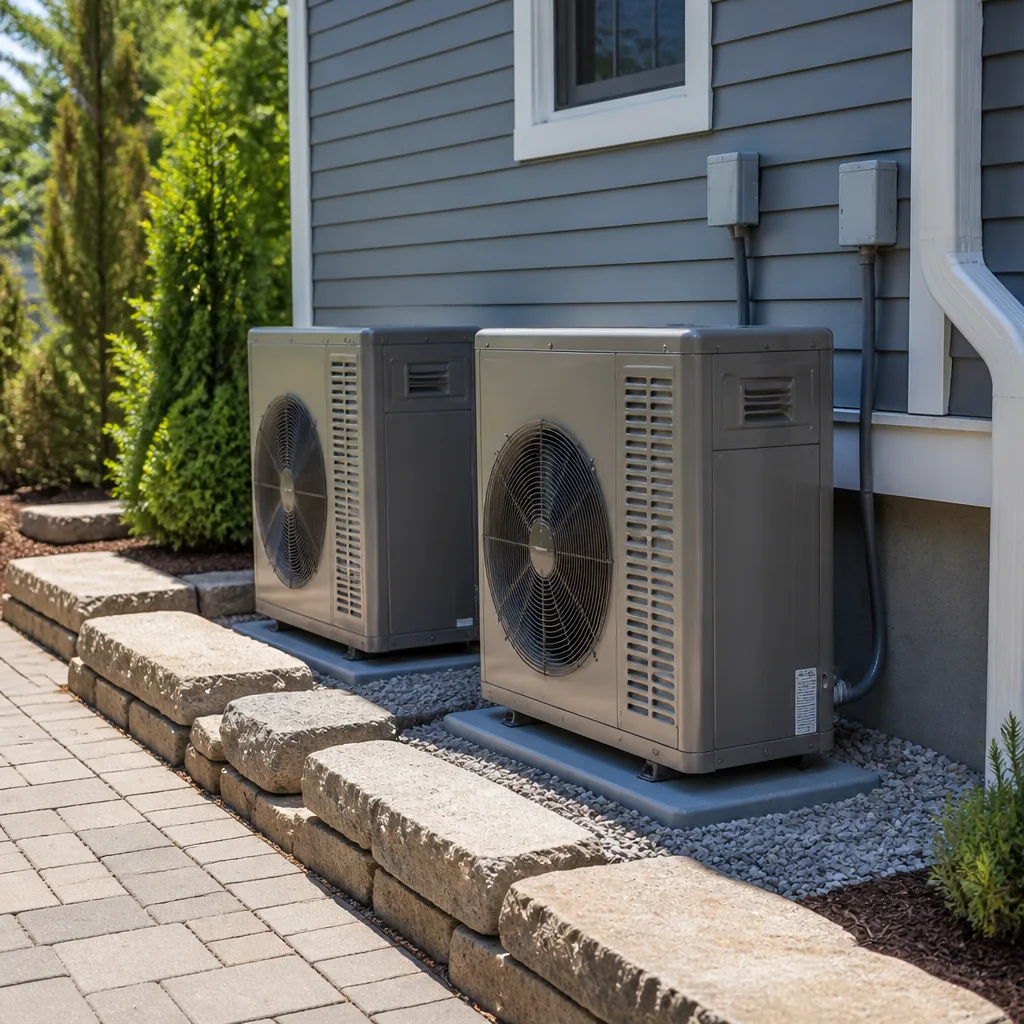 Heat pumps
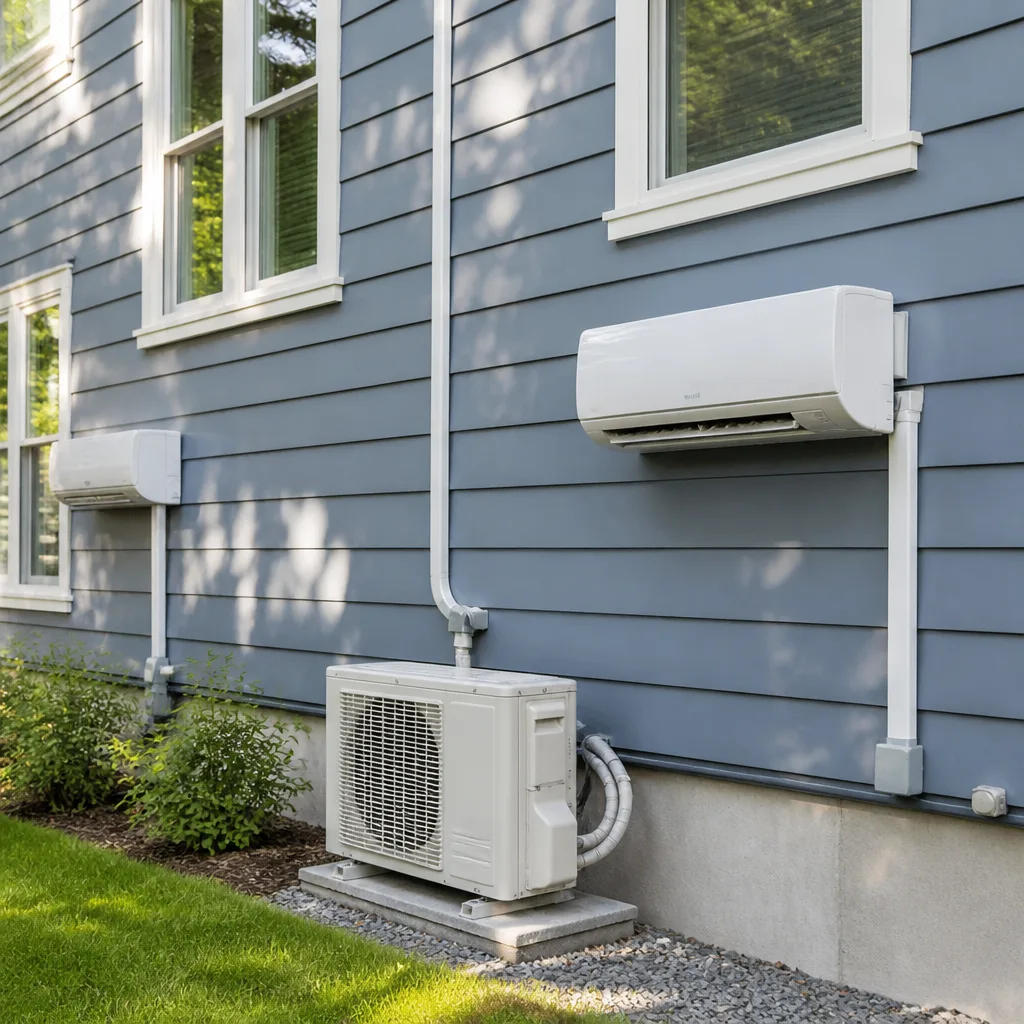 Ductless mini splits
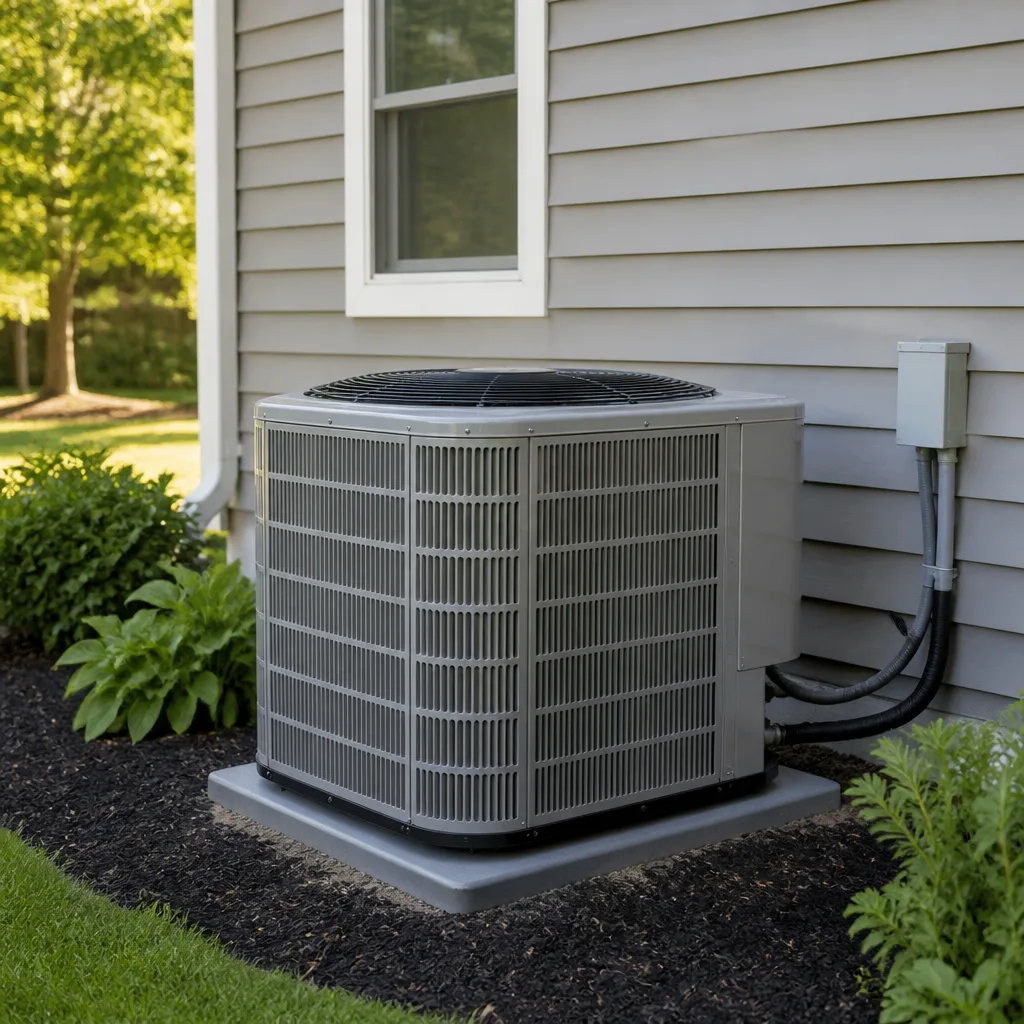 Carrier
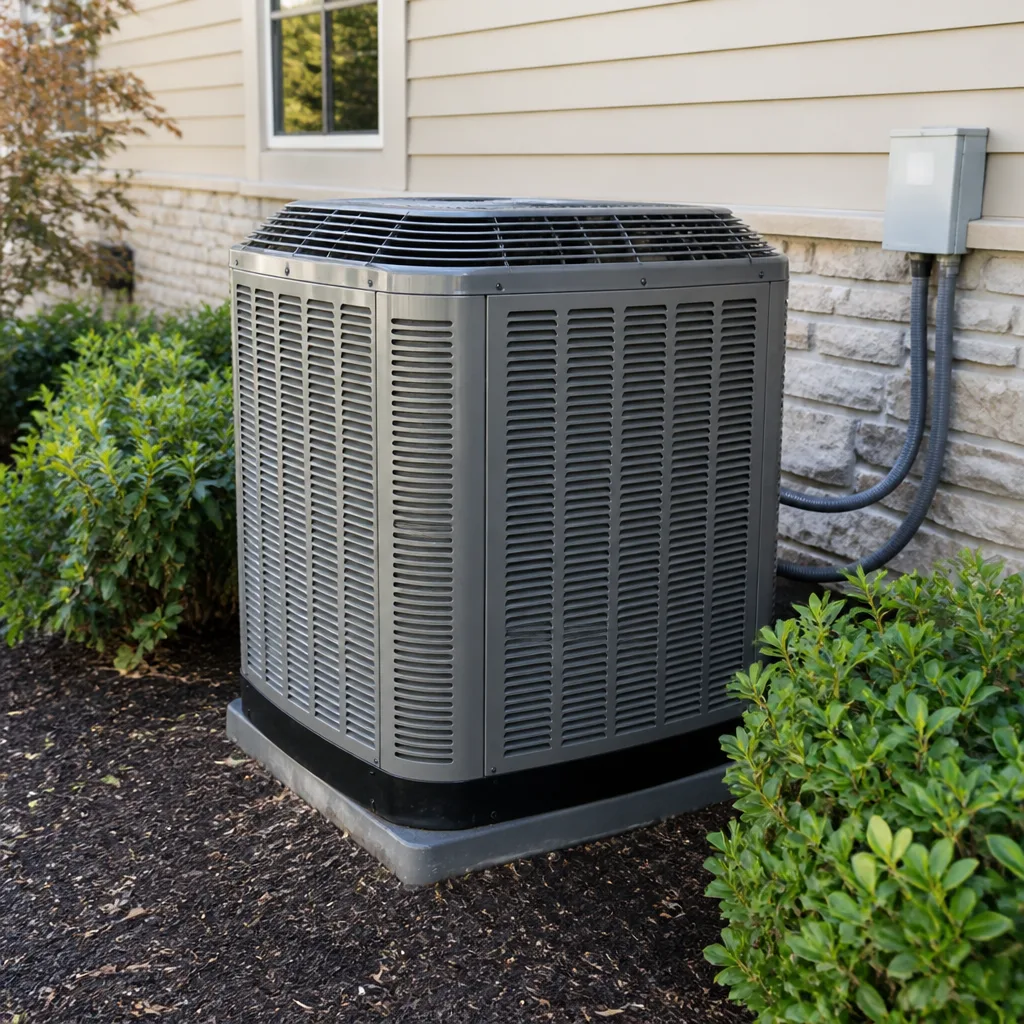 Trane
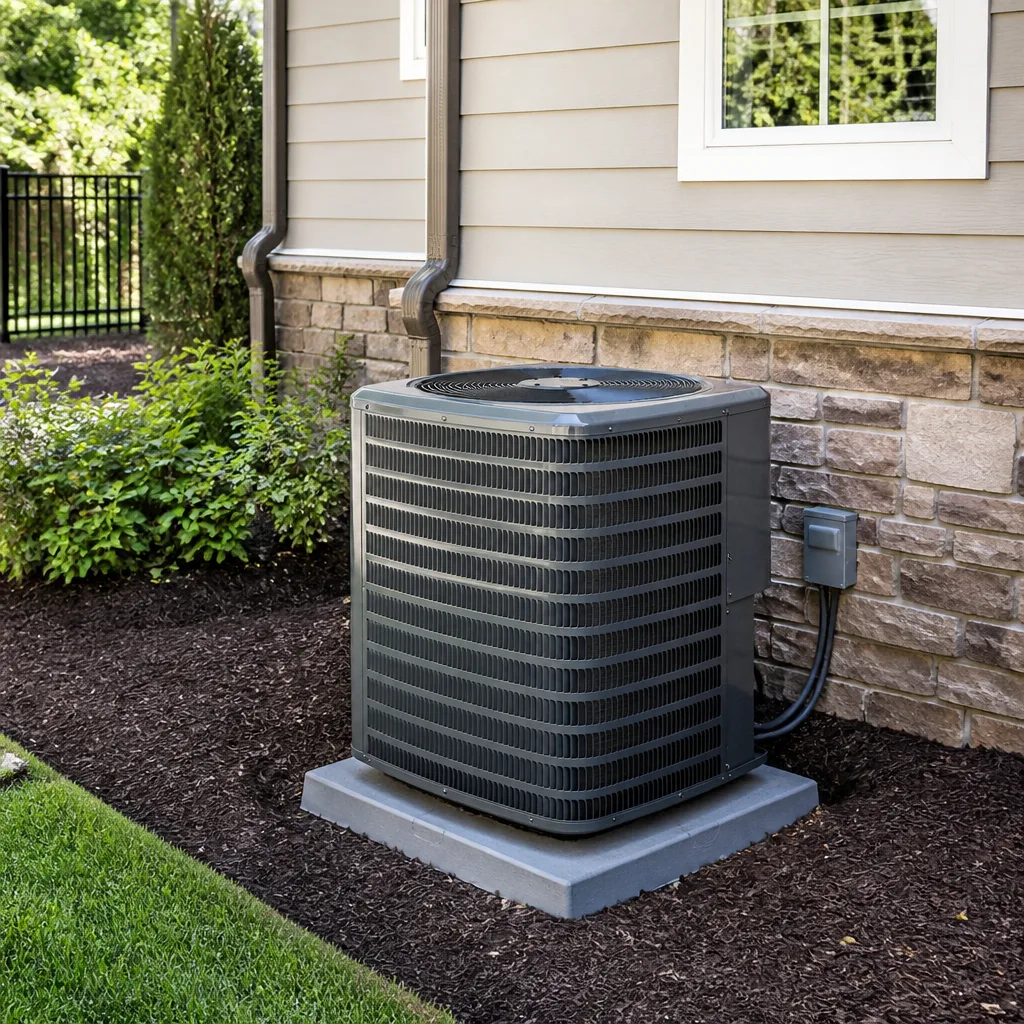 Goodman
Seasonal tune-up and full diagnostic on your Carrier, Trane, or Goodman system - readings shown to you before any repair is proposed
Diagnosis first, numbers second - you approve the repair price before a single part goes in.
Get your free estimateSeasonal HVAC Care for West Valley City: Year-Round Homeowner’s Guide
Most homeowners think of HVAC trouble as a summer problem. That’s backwards. In West Valley City, the calls that hurt most come in the shoulder seasons: March, when the first hot afternoon arrives and the AC won’t cool, and October, when the first cold night hits and the furnace won’t fire. The system sat idle for months, and nobody checked it before throwing the switch. This guide replaces the vague advice you’ve heard a hundred times with a month-by-month action calendar built for West Valley City’s particular weather, including the inversion season that changes how often you really need to swap a filter.
Styles & brands we work with
- AC repair
- Furnace & heating
- Heat pumps
- Ductless mini splits
- Carrier
- Trane
- Goodman
Quick Answer
Seasonal HVAC care in West Valley City means preparing your cooling system in March before the first 90°F day, waking your furnace in October before the first freeze, and shortening your filter interval to roughly every 30 to 45 days during inversion season from November through February. Homes that run both a swamp cooler and central AC need to transition between them in a specific order for each season. The rest of the year is inspection and small habits, not major work.
Table of Contents
- Why West Valley City’s Shoulder Seasons Decide Your HVAC Year
- The March AC Activation Checklist
- The October Furnace Wake-Up
- Inversion Season: Why 90-Day Filters Aren’t Enough
- Swamp Cooler vs. Central AC: Transition Timing for Homes That Run Both
- Summer Attic Heat and Your Ducts: What to Check After 100°F Weeks
- The Month-by-Month Calendar
- Common Mistakes to Avoid
- When to Call a Professional
- Frequently Asked Questions
- The Bottom Line
Why West Valley City’s Shoulder Seasons Decide Your HVAC Year
Our West Valley City climate asks a lot of a home. Summers push past 100°F for stretches, and winters drop well below freezing at night. Between those extremes sit two short windows, roughly March and October, when the system changes mode. That’s where most of the avoidable failures happen.
A unit that ran fine last August can quietly lose refrigerant over the winter. A furnace that fired cleanly last February can develop a cracked heat exchanger by fall. Neither problem announces itself while the system is off. Both announce themselves loudly the first time the system turns on during a day when you need it most.
There’s a second factor specific to this valley: winter inversion. Cold air settles in the valley under a warmer layer above, trapping pollution close to the ground for days or weeks at a time. That trapped air is what your HVAC filter pulls through the system. The standard “change it every 90 days” advice was not written with inversion weeks in mind.
What follows is a practical calendar. No single step is complicated. Done in the right month, they prevent the failures that turn a routine season into an expensive repair.
Key Takeaways
- March and October are the two months where preparation pays off most in West Valley City.
- Activation checks belong before the first 90°F day and the first freezing night, not after.
- Filter intervals shrink during inversion season, November through February.
- Homes with both a swamp cooler and central AC need a defined transition order for each season.
- Long 100°F stretches in summer stress attic ducts as much as the equipment itself.
- Some checks are safe for homeowners; refrigerant, gas, electrical and heat exchanger work is not.
The March AC Activation Checklist
Here’s the direct answer: activate your AC in March, not on the first hot day. The right sequence is a filter change, a condensate drain flush, a visual refrigerant check at the outdoor unit, a thermostat test, and a clear look at the outdoor unit’s surroundings. That five-step walk-through catches the cheap problems before the expensive ones show up.
In our experience, the single most underrated part of this checklist is the condensate drain. During cooling, water condenses out of the air and drains away from the indoor coil. Over winter, dust and biofilm can collect in the drain trap and line. When the AC kicks on in May, the drain clogs, water backs up, and the system either shuts off on a safety switch or leaks into the surrounding area. Neither is what anyone wants on the hottest afternoon of the month.
March AC Activation Steps
- Change the air filter. A clean filter gives you a baseline and protects the indoor coil from the first weeks of pollen and dust.
- Flush the condensate drain. Find the drain line near the indoor unit, remove the cap or plug, and pour a cup of water through the trap to confirm it flows freely. If water backs up, stop and call for service.
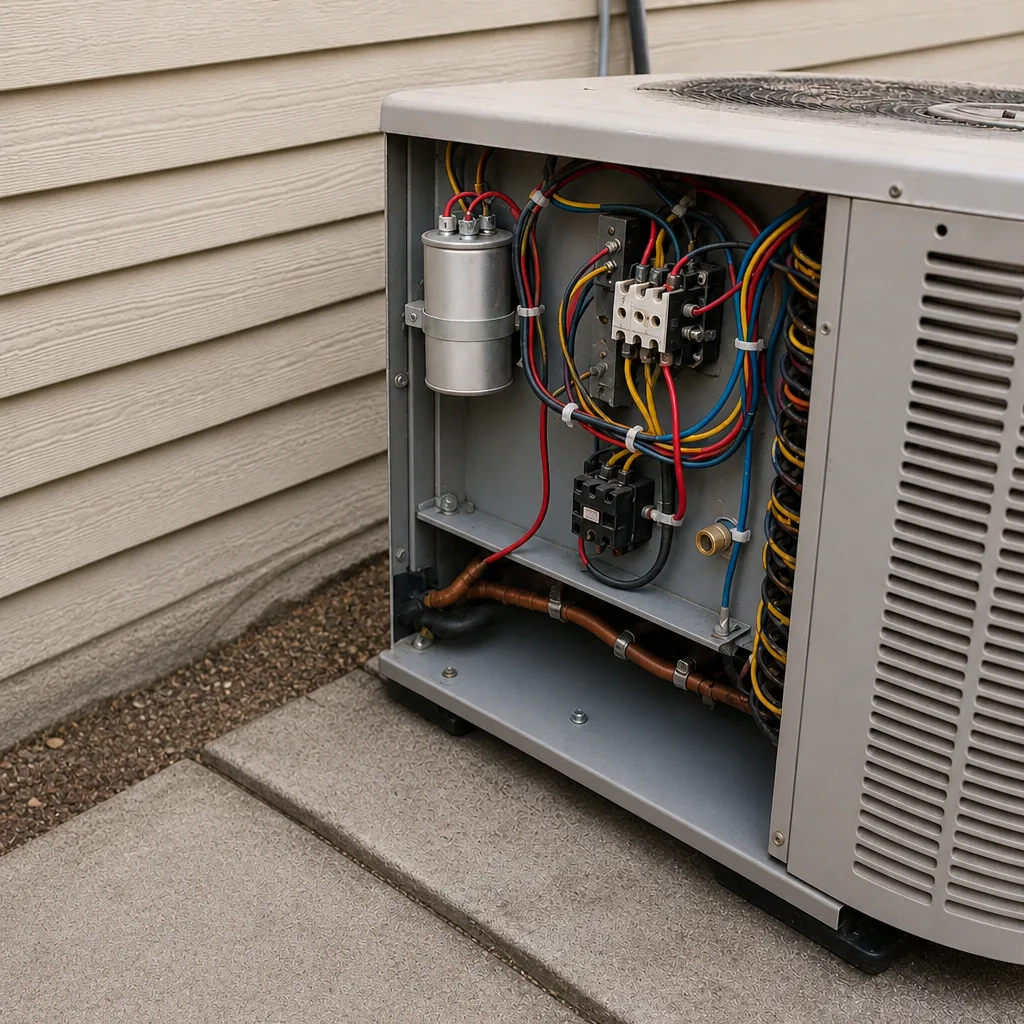
- Look at the outdoor unit’s refrigerant lines. Check the copper lines for oil residue, frost or ice. Oil at a connection is often a sign of a slow leak. Do not attempt to add refrigerant yourself.
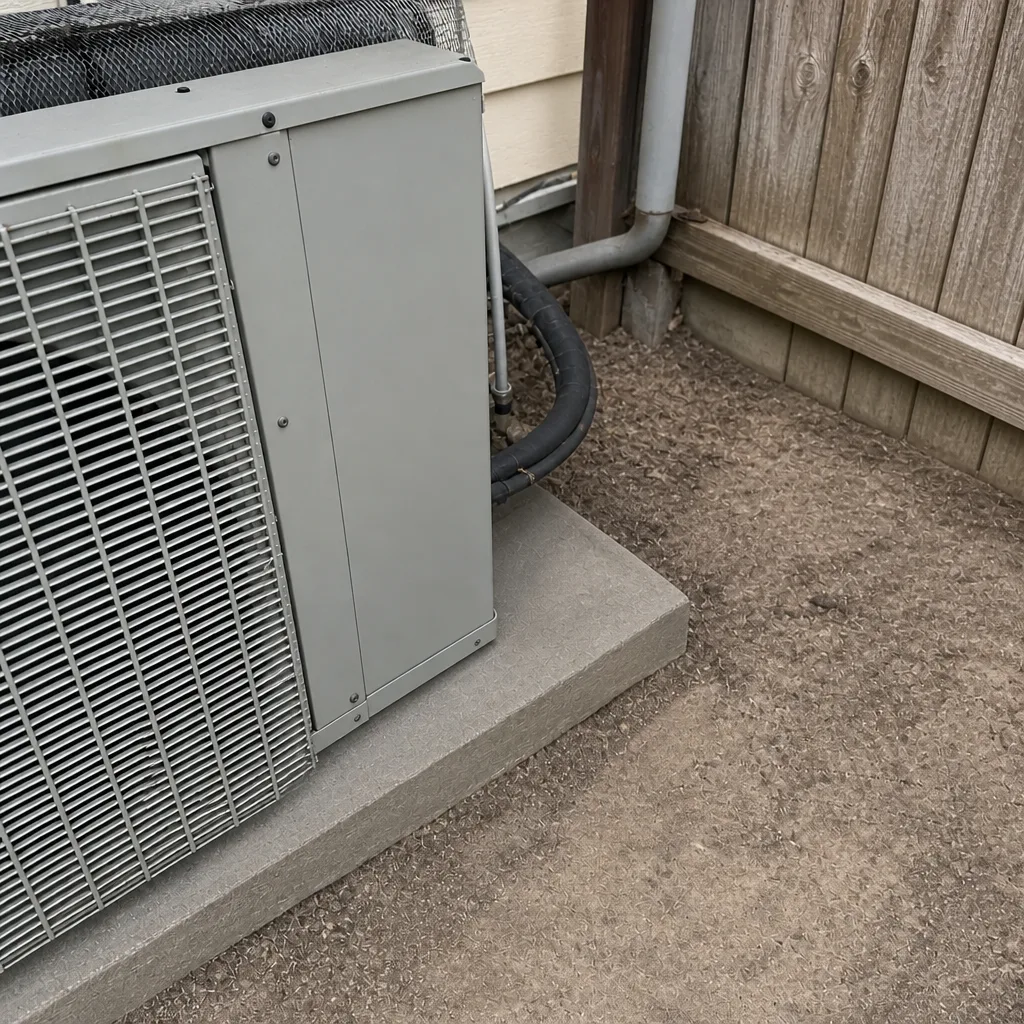
- Clear two feet around the outdoor condenser. Pull weeds, leaves and any stored items away from the sides. The unit needs to breathe.
- Test the thermostat in cool mode. Set the temperature a few degrees below room temperature and confirm the system starts and produces cool air within a few minutes.
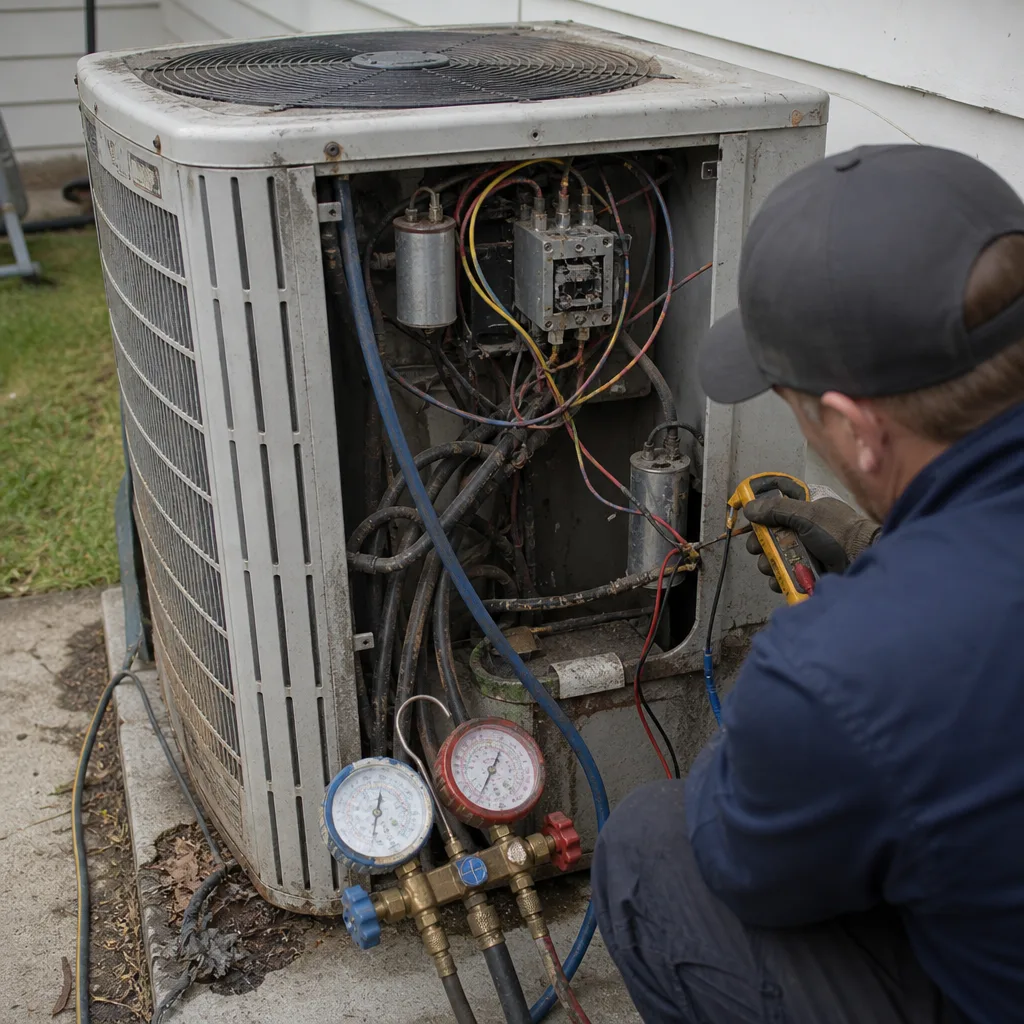
What you should not do in March is much beyond this walk-through. Refrigerant handling is regulated, and it requires the right gauges, training and licensed handling. Electrical components inside the condenser cabinet are dangerous. If your visual checks turn up oil residue, a failed capacitor, or an indoor unit that trips a breaker, that is the point to call.
If the AC is beyond help and you’re weighing replacement, our guide to AC installation covers how sizing, load calculation and brand options work. A March failure is a good moment to make that call, because you’re not negotiating under pressure in a 100°F afternoon.
The October Furnace Wake-Up
October is the furnace’s version of March. What matters first is a heat exchanger visual inspection from the outside of the unit, followed by a thermostat test, a filter change, and a clear look at the venting and the area around the furnace. That sequence catches the visible warning signs before the first cold night.
The heat exchanger is the part that concerns us most. It separates the burner’s exhaust from the air your family breathes. A cracked or corroded heat exchanger can allow carbon monoxide into the home’s airstream, which is a genuine safety risk and not something to treat casually. A homeowner’s role is spotting visible warning signs and calling a professional for anything that requires looking inside the exchanger or testing combustion.
October Furnace Wake-Up Steps
- Change the filter. Same reasoning as the AC: a fresh filter gives a clean baseline.
- Do a visual heat exchanger inspection from the outside. Remove the front cover if it opens without tools. Look at the metal walls around the burners for rust streaks, white flaking, cracks or visible separations. If you see any of these, close the cover and call for service before running the heat.
- Look at the flame color once the system starts. A healthy natural gas flame is mostly blue. A flame that is mostly yellow or orange, flickers erratically, or lifts off the burner is a signal to shut down and call. A carbon monoxide alarm in the home is your backstop, but it is not a substitute for looking.
- Check the area around the furnace. Keep the furnace room clear of stored boxes, paint cans and rags. Combustion needs fresh air.
- Test the thermostat in heat mode before the first cold night. Set the temperature above room temperature and confirm the furnace ignites and warms. Doing this on a mild October afternoon is far easier than doing it on a 20°F morning.
You should not remove burner assemblies, open the combustion chamber, or test gas pressure yourself. Gas line work belongs with a trained technician. If your furnace develops a hard failure, explains itself with a locked-out control board, or turns up a heat exchanger issue, our furnace repair team handles Lennox, Goodman, Rheem, York and the other leading brands, so you’re not told your existing equipment is somehow out of scope.
When a furnace is beyond repair, replacement decisions usually get clearer in October than they do in January. You have time to compare options. Our team at Oakridge AC Repair walks through repair versus replacement with the actual condition of the equipment, not the calendar.
Inversion Season: Why 90-Day Filters Aren’t Enough
During inversion season in West Valley City, roughly November through February, the standard 90-day filter interval is too long. When cold air settles under a warmer layer, pollutants concentrate at ground level and stay there for days. Your HVAC system pulls that air through the filter continuously. A filter that’s rated for three months of normal air is handling far more than that during a prolonged inversion. A 30- to 45-day change interval during those months is more realistic.
Filter choice matters too. A very high-MERV filter catches more particles but also creates more airflow resistance. Most residential systems are designed around a mid-range filter. Overshooting the MERV rating without confirming your system can handle it can starve the blower and shorten equipment life.
Inversion Season Filter Guidance
- November through February: change the filter every 30 to 45 days, or sooner if it looks visibly gray.
- March through October: return to the manufacturer’s recommended interval, usually 60 to 90 days depending on the filter’s rated life.
- Pets in the home: shorten every interval by roughly a week. Pet hair loads a filter faster than dust alone.
- Recent renovation or heavy dust: change immediately, even if the filter looks recent.
- Watch for the 3-day gray test: if a filter looks visibly darker after a few days of a strong inversion, your interval is too long for those conditions.
One thing to know: a dirty filter is not the only cost of inversion season. Fine particulate that slips through the filter settles on the indoor coil and in the ductwork over time. That buildup reduces airflow and efficiency. Proper filtration helps, but it doesn’t replace an annual or biennial coil inspection.
Swamp Cooler vs. Central AC: Transition Timing for Homes That Run Both
Many West Valley City homes have both systems: an evaporative cooler for dry summer air and central AC for the hottest or most humid days. Transition between the two needs to happen in the right order, or the systems fight each other and set up conditions for problems like mold growth or water leaks.
The core rule: the two systems should not run in the same season at the same time. An evaporative cooler adds moisture to the air while a central AC removes it. Running both is wasteful at best and can create condensation issues at worst.
Spring Transition (April to May)
- Shut down the furnace for the season. Turn the thermostat to off or cool mode so it doesn’t try to fire on a cool morning.
- Drain and clean the swamp cooler. Empty the pan, clean the pads or media, check the bleed-off line, and confirm the pads are in good shape before the first warm dry spell.
- Confirm the AC is ready first. Complete the March activation checklist before you commit to the transition. If the AC needs work, you want that fixed before you need it on a 95°F day.
- Prime the water line on the first use. Run the swamp cooler briefly and check for even water distribution across the pads. Dry spots mean uneven cooling and a worn pump.
Fall Transition (September to October)
- Shut down the swamp cooler. Turn it off and drain the water pan completely to prevent freezing or corrosion during winter.
- Cover or close the cooler’s air path. Close the damper or cover the unit so winter air doesn’t pour in through the cooler’s vent.
- Move back to the furnace. Complete the October wake-up before the first cold night.
- Leave the AC in standby. There’s no need to do anything further to the AC at this point. The March checklist handles it next spring.
The transition mistakes we see most often are running both systems in the same week and forgetting to drain the cooler pan before winter. Both are easy to fix and easy to forget.
Summer Attic Heat and Your Ducts: What to Check After 100°F Weeks
After a stretch of consecutive 100°F days, the space inside a West Valley City attic can reach temperatures well above outdoor air. That heat is where duct problems show up first. Duct insulation degrades, joints open, and connections loosen. The result is a system that runs longer than it should, delivers cooler air at the vents than it should, and eventually short-cycles in the hottest part of the afternoon.
What to check, safely, from inside the home:
- Feel the air at several vents. If the air at the vents near the air handler is noticeably colder than at the farthest room, you may have a duct or insulation problem between the two.
- Look for visible dust trails or dark streaks around supply registers and return grilles. These can indicate air leaking from the duct or filter frame.
- Check the attic for sagging flex duct. A flex duct that has collapsed or sagged against hot roof decking loses cooling capacity fast. If you can’t access the attic safely, don’t force it; note it and call.
- Listen for whistling or hissing near ducts when the system is running. These often mean a disconnected joint or a tear in the insulation.
- Watch for “hot ceiling” rooms. Upper-floor rooms with sun-facing ceilings get hit hardest by attic radiant heat. If those rooms run 5 or more degrees warmer than the rest of the house, attic duct work is worth inspecting.
What not to do: don’t climb into a 140°F attic in July without a plan, proper water, and a spotter. Attic heat illness is real and dangerous. If you’re not comfortable with the access, that’s your signal to call. Every system is different, and duct layout varies enormously home to home; a trained technician can spot a sagging or disconnected duct in minutes.
The Month-by-Month Calendar
Here’s the full year at a glance. Months without entries are catch-up time, not a signal to skip inspections.
January
Inversion season is full-on. Watch the furnace filter; expect 30- to 45-day intervals. Check the furnace vent termination outside for snow or ice buildup. No equipment work needed unless something fails.
February
Change the filter again. Listen to the furnace start-up each morning; a new rattle or a delayed ignition deserves a call before March.
March
Complete the full AC activation checklist. Change the filter. Flush the condensate drain. Visual refrigerant check at the outdoor unit. Test the thermostat in cool mode.
April
Transition from furnace to AC. Clean and prime the swamp cooler if you have one. Do a first full cooling-week observation: are all rooms reaching temperature?
May
Pre-summer inspection window. This is the easiest month to schedule non-urgent service in West Valley City, because the peak load hasn’t arrived. Clean the outdoor condenser coil if it’s visibly loaded with spring pollen.
June
Watch the first 100°F weeks. Note whether the system holds temperature or falls behind. A drop in performance this month is easier to address than in July.
July
Peak cooling. Check the outdoor condenser for weeds or debris; clear two feet around all sides. If the AC runs continuously on hot afternoons, that’s information worth a call.
August
Continue to watch attic duct performance during hot stretches. If rooms upstairs get much hotter than the rest of the house, suspect ductwork. Change the filter again if it looks gray.
September
Late-season cooling checks. Drain and cover the swamp cooler as the nights cool off. Note whether the AC finished the summer well; a system that limped into fall is telling you something.
October
Complete the full furnace wake-up checklist. Test heat mode on a mild afternoon. Confirm the gas and venting look right. Change the filter to reset for winter.
November
Switch to the shortened filter interval for inversion season. Test the smoke and carbon monoxide detectors in the home; furnace season is the right month for that test.
December
Winter check-in. Filter change. Notice whether the furnace has developed a new noise or a longer run time than last year.
Common Mistakes to Avoid
- Waiting for the first 90°F day to turn on the AC. By then, a slow refrigerant leak that started in winter is a hard failure and a longer repair. March is the month to check.
- Running the standard 90-day filter interval during inversion season. November through February in West Valley City loads a filter far faster than the manufacturer’s rating assumes. Change closer to 30 to 45 days.
- Running the swamp cooler and the AC in the same week. Both systems fight each other and waste energy. Pick one for the season and shut the other down completely.
- Skipping the fall heat-mode test. Testing the furnace on a mild October afternoon catches problems with plenty of time to fix them. Testing it on a 20°F morning in January rarely goes well.
- Ignoring visible signs around a heat exchanger. Rust streaks, white flaking or cracks are not cosmetic. Shut the system down and call for service; carbon monoxide in the home’s air is a genuine risk.
- Adding refrigerant or touching wiring yourself. Refrigerant handling is regulated and electrical components inside the condenser are dangerous. Stop at the visual check.
- Forgetting to drain the swamp cooler pan before winter. Standing water freezes, splits lines and rusts the pan, which turns a simple fall chore into a spring repair.
When to Call a Professional
Some seasonal care belongs in the homeowner’s hands; other work belongs with a trained technician. Call a professional if you see oil residue or frost on refrigerant lines, smell gas near the furnace, hear a new rattle or grinding sound from the outdoor unit, notice a heat exchanger with visible rust or cracks, find the AC tripping a breaker, or see the furnace flame burning mostly yellow. These are not faults to poke at yourself. Our technicians have up to 9 years of experience and work on the brand you already have, whether it’s Lennox, Goodman, Rheem, York or any of the other leading manufacturers. We answer 24/7. Fast dispatch from 7am to 7pm, Sunday through Friday. Oakridge AC Repair offers free estimates in West Valley City, and the written estimate sets the final price.
Frequently Asked Questions
Run your AC on a mild day in March, not on the first 90°F afternoon. Doing a short test in cool mode confirms the system starts and produces cool air before you actually need it. If the test reveals a problem, you’re addressing it in a mild month rather than a hot one. Call (844) 945-2917 for an exact quote if the test turns up an issue; estimates are free.
Change it every 30 to 45 days during West Valley City’s inversion season, roughly November through February. During strong inversions, pollution gets trapped in the valley and your filter loads far faster than the 90-day rating assumes. Outside that window, the manufacturer’s recommended interval is usually fine. If the filter looks visibly gray after a couple of weeks, shorten the interval further.
You can do a visual inspection from the outside of the unit, looking for rust streaks, white flaking or visible cracks. You should not remove the burner assembly or open the combustion chamber. If anything you see concerns you, shut the system down and call for service. Carbon monoxide exposure is a genuine health risk and worth treating seriously.
The swamp cooler handles the dry early summer days; the AC takes over for the hottest and most humid stretches. Switch to whichever is appropriate for the weather at that moment, but never run both in the same week. Drain and cover the swamp cooler in September, and shut down the AC in October. Call (844) 945-2917 if you want an exact quote on a transition inspection.
Attic temperatures climb well above outdoor air during long hot stretches, and duct insulation in that space degrades faster. If upstairs rooms run 5 or more degrees warmer than the rest of the house, or the air at your farthest vents feels weak, suspect a duct problem. Don’t climb into a hot attic mid-summer; call for an inspection instead.
Not every year for every system, but a spring checkup is worthwhile if you can’t confidently complete the March activation checklist yourself. The check covers refrigerant pressures, electrical components and coil condition, which homeowners shouldn’t handle. Call (844) 945-2917 for an exact quote; estimates are free, and the written estimate sets the final price.
The Bottom Line
In West Valley City, HVAC care is decided in March and October. Prepare the cooling system before the first hot day and the furnace before the first freezing night. Shorten the filter interval during inversion season, transition the swamp cooler and AC in the right order, and look at your attic ducts after long hot stretches. Skip the risky work: refrigerant, gas, electrical and heat exchanger inspections belong with a trained technician. Everything else is a short list of habits you can actually keep up with.
If you’d like help walking through any of this, call Oakridge AC Repair at (844) 945-2917 for a free estimate. We answer 24/7. Fast dispatch from 7am to 7pm, Sunday through Friday.
Written by the team at Oakridge AC Repair.
See the difference
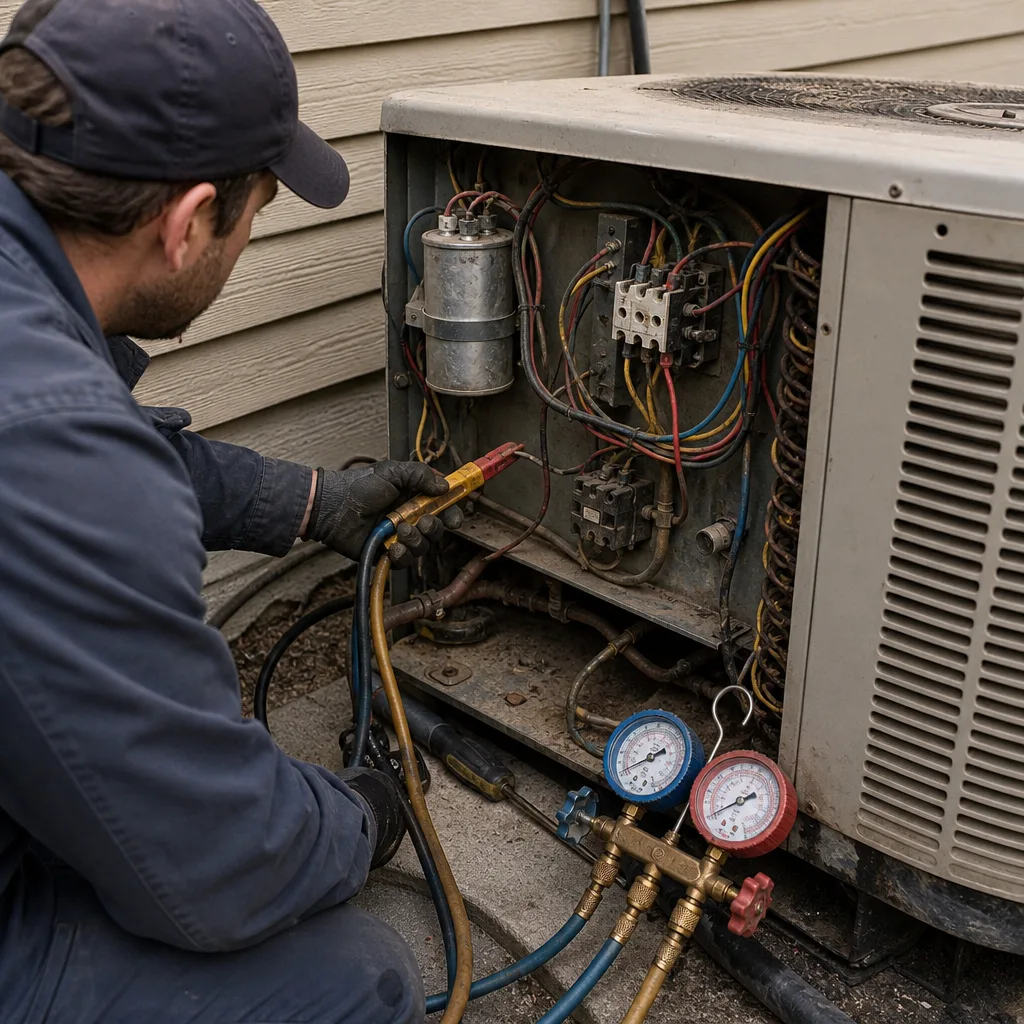 Before
 After
 Before
 After
 Before
 After