
Last updated November 15, 2026
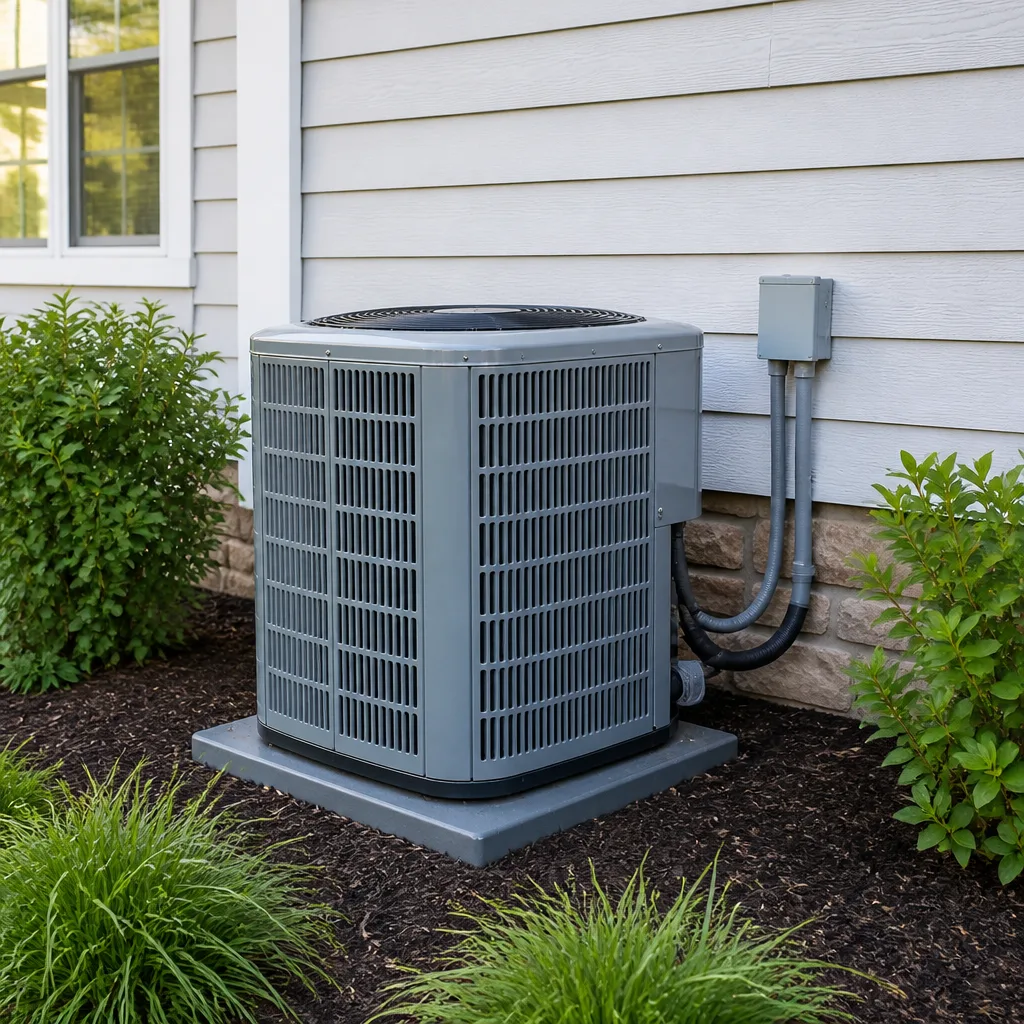 AC repair
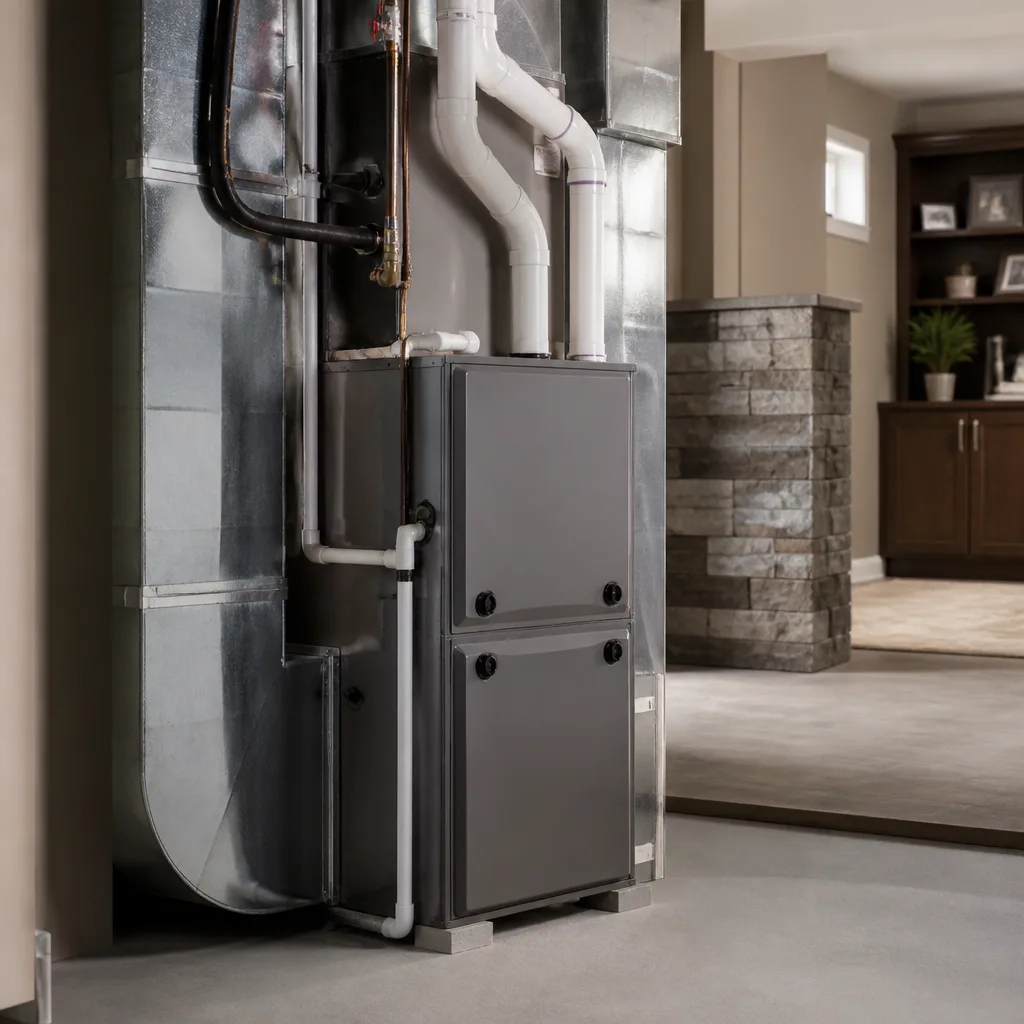 Furnace & heating
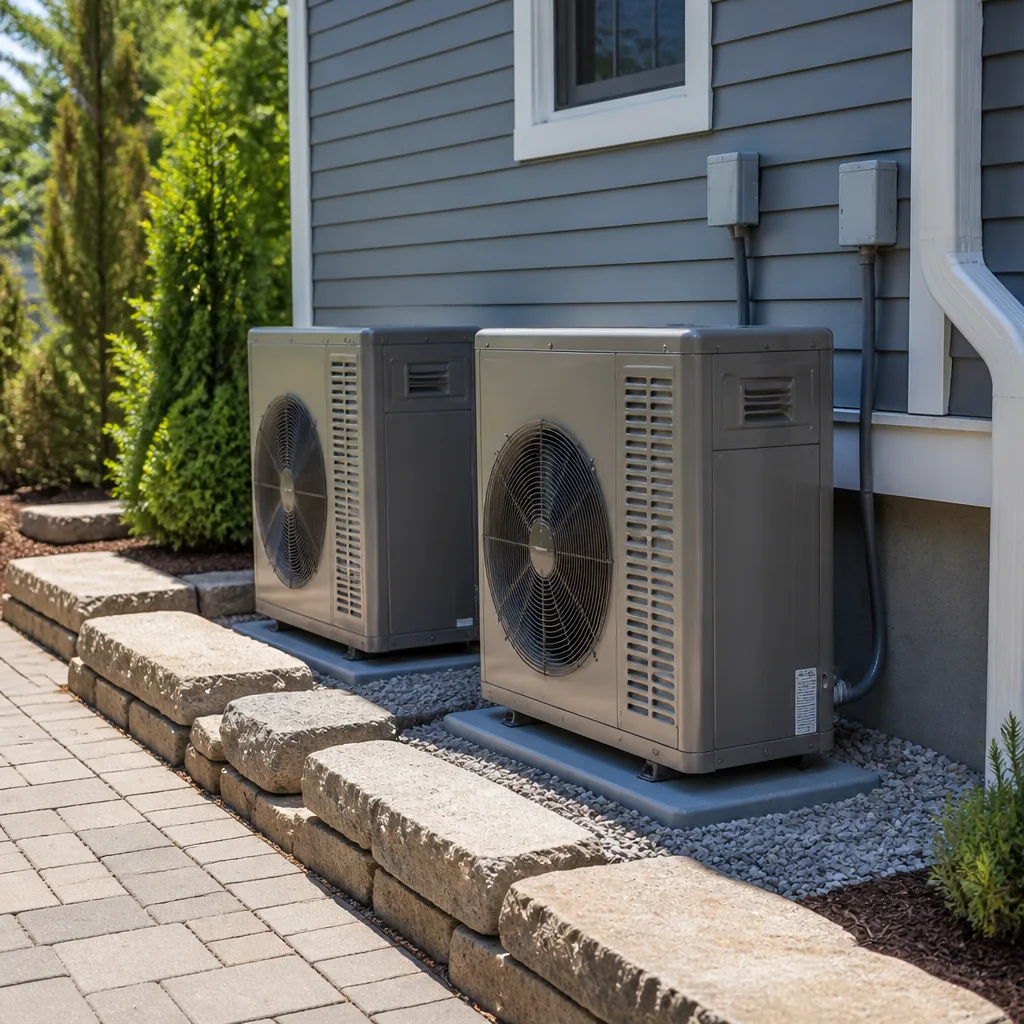 Heat pumps
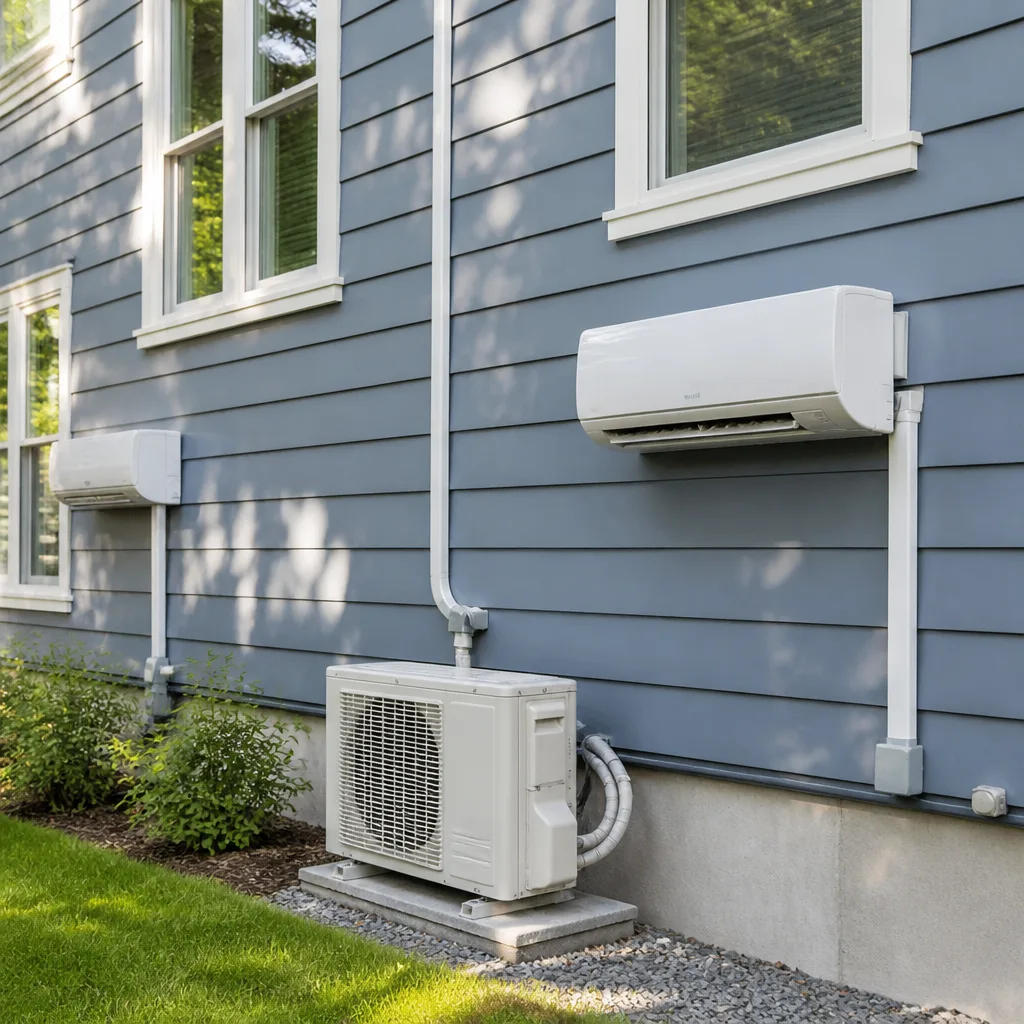 Ductless mini splits
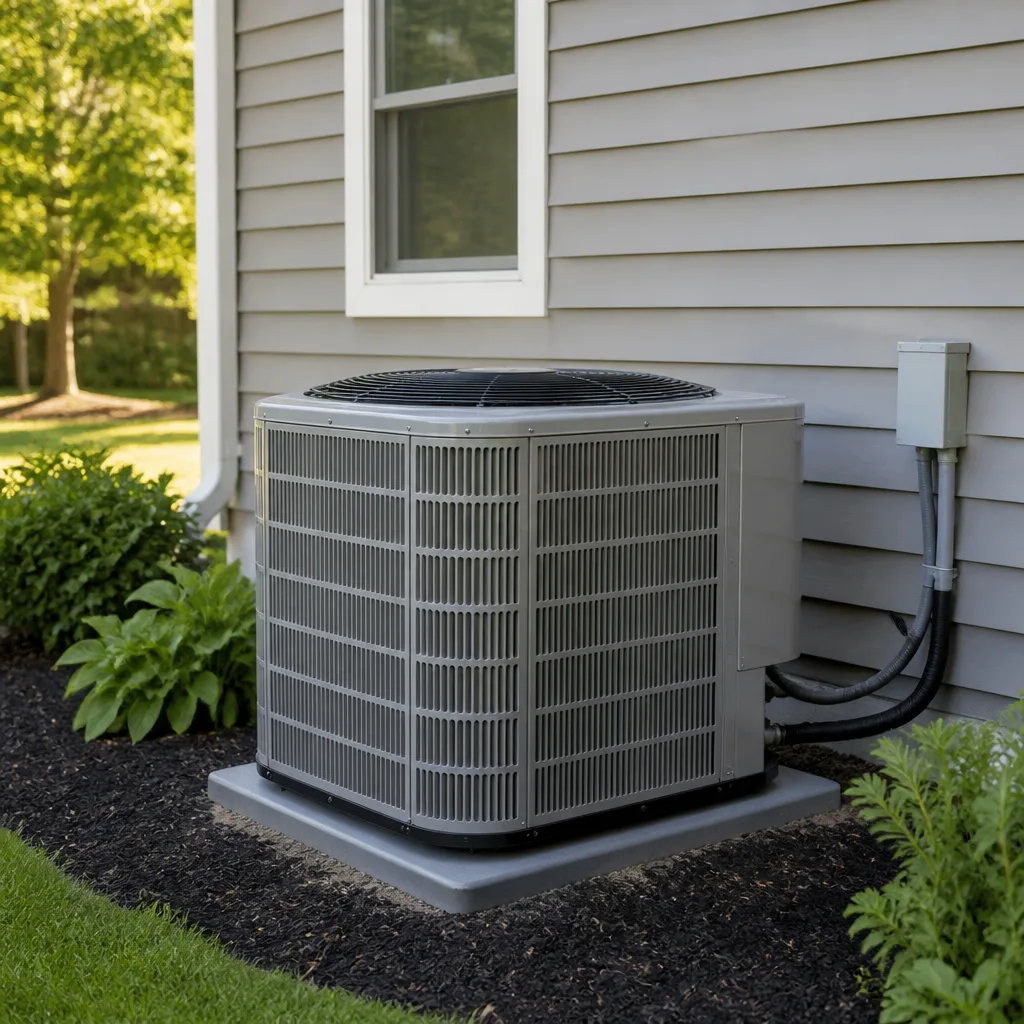 Carrier
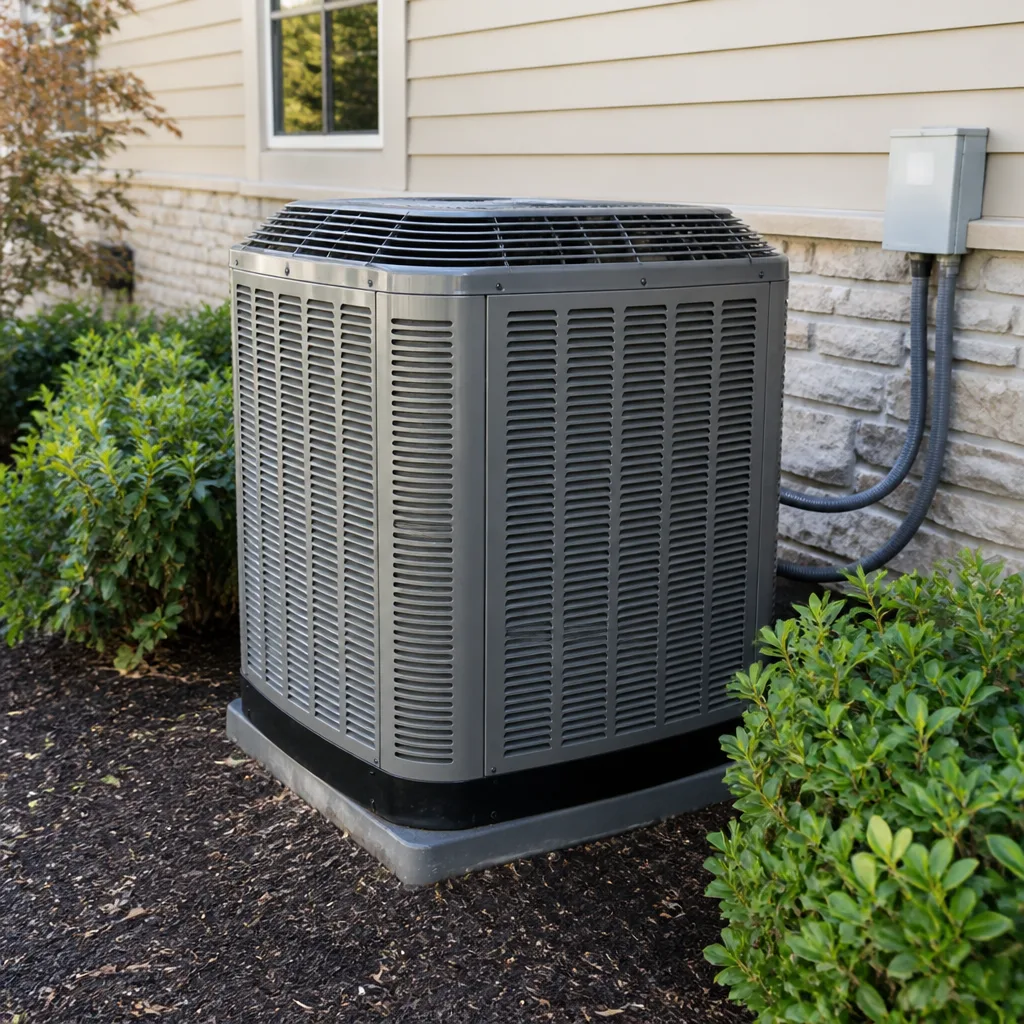 Trane
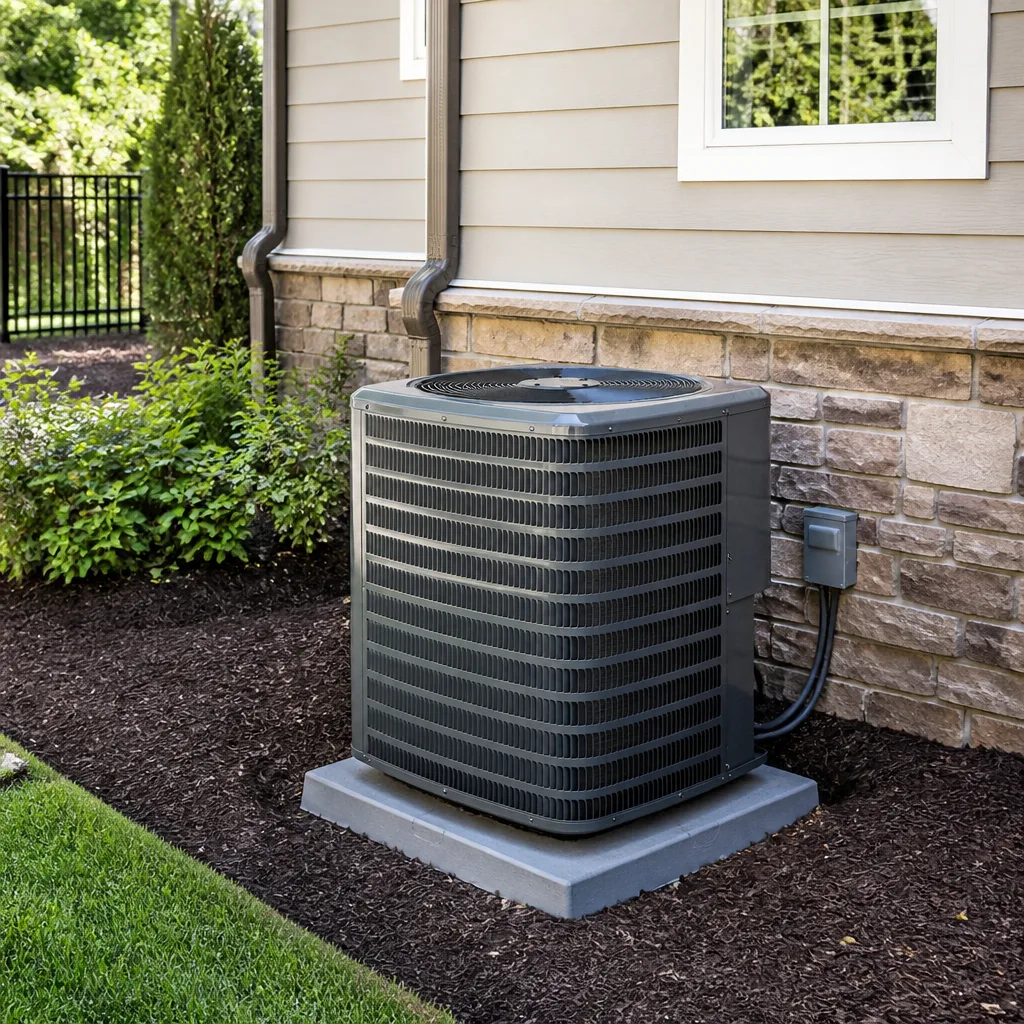 Goodman
Seasonal tune-up and full diagnostic on your Carrier, Trane, or Goodman system - readings shown to you before any repair is proposed
Diagnosis first, numbers second - you approve the repair price before a single part goes in.
Get your free estimateHVAC Warning Signs: A West Valley City Homeowner’s Reference Guide
Most HVAC warning sign lists tell you the same things: no cool air, no heat, a unit that won’t turn on. By the time those symptoms show up, you’re already in a comfort crisis and often looking at a weekend of space heaters or box fans. The signals that matter most show up much earlier, and they’re easy to dismiss because they don’t stop the system from running. A furnace that short-cycles during a cold inversion, for instance, isn’t just an annoyance. It can be the first measurable sign of a cracked heat exchanger, which is a carbon monoxide concern, not a comfort one. This guide is written to help West Valley City homeowners read those quiet signals before they turn into failures. We’ll cover what short cycling actually means, how to decode unusual smells, how your utility bill works as a diagnostic tool, and the failure modes that show up specifically in homes around the Salt Lake Valley.
Quick Answer
The earliest HVAC warning signs in West Valley City are usually subtle: short cycling on cold inversion days, a faint musty or burning smell when the system starts, refrigerant lines that frost over, and an unexplained 15-20% jump in your utility bill during summer or winter. Any one of these on its own is worth watching. Two or more together almost always point to a mechanical problem that’s cheaper to fix now than after a full failure. Catching them early is the difference between a repair and a replacement.
Styles & brands we work with
- AC repair
- Furnace & heating
- Heat pumps
- Ductless mini splits
- Carrier
- Trane
- Goodman
Table of Contents
- What Short Cycling Really Means (and the Three Causes Behind It)
- Decoding HVAC Smells: Dust, Burning, Sulfur, and Musty
- Your Utility Bill as a Diagnostic Tool
- Ice on Refrigerant Lines: Low Charge vs. Airflow Restriction
- Hard Water and Your HVAC: Scale, Humidifiers, and Coils
- Inversion Season: What West Valley City Winters Do to Your Furnace
- Summer Stress Signals: What the AC Is Telling You in July
- When Warning Signs Add Up to Replacement
What Short Cycling Really Means (and the Three Causes Behind It)
Short cycling is when a furnace or air conditioner repeatedly turns on and off in cycles much shorter than its design run time. A properly sized furnace might run for 10 to 15 minutes before shutting off. A short-cycling furnace kicks on for two or three minutes, shuts off, and repeats. The compressor and blower motor take the wear from all that starting and stopping, and the home rarely reaches an even temperature. If your furnace does this on the cold inversion days that settle over West Valley City in December and January, pay attention. The cycle you’re hearing may not be a thermostat problem at all.
There are three distinct causes, and each one needs a different fix:
- An oversized system. A furnace or AC that’s too big for the home heats or cools the space faster than it should, then shuts off before it can run a full cycle. The fix is a proper load calculation and right-sizing on replacement. An oversized system is also less efficient and wears faster.
- A failing flame sensor or ignition component. The furnace lights, runs a few minutes, then shuts down because a sensor is misreading. Replacing the sensor is typically a simple repair, but diagnosing it takes a technician with a meter and a schematic.
- A restricted heat exchanger or cracked unit. A partially blocked or cracked heat exchanger can trip the furnace’s safety limit switch and shut it down. This is the one that carries a real safety risk. A cracked heat exchanger can let combustion gases, including carbon monoxide, into the supply air. Any furnace that short-cycles and smells faintly burnt or produces soot near the burner needs a professional inspection before it runs again.
In our experience, homeowners often assume short cycling is always a thermostat issue and start by replacing the thermostat. That fix helps only when the thermostat is actually the problem, which is less often than you’d think. If you’ve already replaced the thermostat and the cycle continues, it’s time to have a technician look at the burner and heat exchanger directly through furnace repair. Two of the three causes above are quick repairs; the third is a safety issue that a homeowner cannot evaluate without instruments.
Decoding HVAC Smells: Dust, Burning, Sulfur, and Musty
Smell is one of the most reliable early diagnostic tools a homeowner has, because the nose often catches what the eye can’t. The key is matching the smell to what it implicates, and treating the wrong smell as urgent. A dusty smell the first time the furnace runs in fall is normal, while a burning smell in the middle of winter is not.
- Dusty or “hot” smell on first use. When a furnace sits unused through the warm season, dust collects on the heat exchanger and burners. The first run burns it off and produces a dusty smell that fades within an hour or two. If it keeps smelling dusty after several full cycles, the burners or blower wheel are likely dirty and need a technician to clean. A dirty burner also produces soot that accelerates wear.
- Electrical burning smell. A sharp, acrid, hot-plastic smell points to wiring, a failing blower motor, or a control board component overheating. Turn the system off at the thermostat and call for service. Electrical burning smells don’t self-resolve, and a motor that overheats can fail completely or, in rare cases, pose a fire risk.
- Sulfur or rotten-egg smell. This one is serious. In a gas furnace, a rotten-egg smell can indicate a gas leak at the supply line or the valve. If you smell sulfur, leave the home, don’t operate light switches or the furnace, and call your gas utility from outside. Do not try to trace the leak yourself.
- Musty, damp, or dirty-sock smell. This points to moisture or biological growth in the ductwork, the evaporator coil, or the condensate pan. In West Valley City, where basement and crawlspace humidity can climb after wet springs, a musty smell often means drainage from the coil pan is backing up. A technician can check the pan, drain line, and coil in one visit.
Treat electrical and sulfur smells as immediate calls. Treat dusty and musty smells as maintenance items worth scheduling. A note that saves homeowners money: don’t mask a smell with air fresheners or candles. The smell is a signal, and covering it delays the repair.
Your Utility Bill as a Diagnostic Tool
A utility bill that jumps 15-20% during summer or winter without a change in habits is one of the most reliable early warning signs there is. What makes it useful is that it’s measurable. You can compare this month to the same month last year. If your household size and usage patterns haven’t changed and the bill is up 15-20%, the system is working harder than it should. That extra effort almost always traces back to refrigerant loss, restricted airflow, or a dirty blower.
Here’s how to read the signal:
- Summer spike of 15-20% or more. This is the classic signature of refrigerant loss or airflow restriction. A system low on refrigerant runs longer to reach the set temperature, and a system with restricted airflow (dirty filter, blocked return, or a coil caked with dust) does the same. Both show up as a measurable bill increase before the home ever feels uncomfortable.
- Winter spike of 15-20% or more. In a gas furnace, a bill spike often means the blower is running longer than it should. That can come from a dirty filter the blower has to push through, a failing blower motor, or a furnace that’s losing efficiency due to a blocked flue or a failing inducer motor.
- A bill that creeps up over three or four months. Gradual change is more common than a single jump, and it’s easier to miss. Keep last year’s same-month bills somewhere you’ll find them, and compare once a season. In our experience, a slow climb over a season is the most common pattern, and one of the easiest to fix early.
Two things to remember before you blame the HVAC: rate changes and a hotter or colder month than normal can also raise a bill. Compare degree days if you can find them on your utility’s usage chart. If the weather and rates were similar and the bill isn’t, the system is the next place to look. That’s when a call is worth making, especially before the next hot or cold stretch.
Ice on Refrigerant Lines: Low Charge vs. Airflow Restriction
Ice on the refrigerant lines or on the outdoor unit is never normal. It’s a symptom with two main causes, and the fix is different for each. The key is understanding what the ice is telling you. When the system is low on refrigerant, the pressure in the evaporator coil drops and the coil temperature falls below freezing. Moisture in the air condenses on the cold coil and freezes. When airflow is restricted, the coil doesn’t get enough warm air moving across it, so it also drops below freezing and ices up.
Here’s how to tell the difference before you call:
- Ice on the indoor coil and the larger suction line, with a home that isn’t cooling well. This points to low refrigerant. A system that’s lost refrigerant has a leak somewhere, and the leak needs to be found before a recharge. Refrigerant doesn’t get used up over time; if it’s low, it escaped.
- Ice on the indoor coil with a home that cools poorly only in some rooms. This points to restricted airflow. The most common cause is a filter that hasn’t been changed in months. A blocked return duct, a closed supply register, or a blower that’s slowed down can also do it.
- Ice on the outdoor unit itself in summer. That’s a clear sign of a serious problem, often a failing fan motor, a blocked condenser coil, or a refrigerant issue. Turn the system off and call for service.
Two safety notes. Never run a frosted system “to see if it clears.” Running an iced AC can damage the compressor, which is the most expensive part to replace. And never try to melt the ice off with a heat gun or hot water. Let it thaw with the system off. Refrigerant is a regulated substance requiring a licensed technician and proper recovery equipment, so handling it isn’t a homeowner task. Because the fix could be as simple as a filter change or as involved as a leak search, our AC installation team also handles repairs; the same technicians who size and set a system diagnose it.
Hard Water and Your HVAC: Scale, Humidifiers, and Coils
West Valley City sits on water that runs hard, and this shows up in HVAC systems more than most homeowners realize. Hard water carries dissolved calcium and magnesium. When that water evaporates, it leaves scale behind, and scale is an insulator. On a furnace humidifier pad, a coil, or a condensate tray, scale buildup interferes with the system’s ability to transfer heat and its ability to drain. The symptoms are quiet, and they show up months before a failure.
The places to watch in a hard-water home:
- Furnace humidifiers. A scale-clogged humidifier pad stops absorbing water and stops putting moisture into the air. The home feels dry and staticky in winter, and the humidifier runs longer, using more water. Symptom: dry air, a humidistat that never hits target, and visible white crust on the pad or the water line. Replacing the pad is routine maintenance; ignored, the scale can clog the water solenoid and the drain.
- Evaporator coil and condensate pan. Scale and mineral crust on the evaporator coil reduce heat transfer, which is one more cause of summertime bill spikes. In the condensate pan and drain line, scale and biological growth cause clogs that back water into the furnace or the ceiling below. Symptom: water stains near the indoor unit, or a musty smell. A technician can clear the drain and check the pan during a routine service.
- Condensate pumps on high-efficiency furnaces. These pumps move acidic condensate water out of the home. In hard-water areas, the small internal channels in the pump can scale over and stall. A stalled pump can trip a furnace off on a safety switch. Symptom: furnace runs a few minutes and shuts down, especially in winter. This is one of the “quiet” short-cycling causes that gets blamed on the thermostat.
If West Valley City water runs hard in your area, a humidifier pad change once a season is worth doing before winter. The coil and drain check is part of what a service visit covers, and if you’re already booking a call for another reason, ask the technician to look at them at the same time.
Inversion Season: What West Valley City Winters Do to Your Furnace
The Salt Lake Valley’s winter inversions trap cold air and pollutants close to the ground, and that particular weather pattern puts unique stress on a home furnace. The furnace runs longer and more often because outdoor temperatures drop fast and stay low for days. Any flaw in the furnace that would be manageable in mild weather gets exposed during an inversion stretch. The most important one to understand is the heat exchanger, because it’s the component that keeps combustion gases headed up the flue and away from your living space instead of down the supply duct into the rooms.
Warning signs that matter more in inversion season:
- Short cycling on the coldest days. A furnace that fires, runs a few minutes, shuts down, and repeats during a cold snap is telling you a limit switch is tripping. That can be a flame sensor, a blocked flue, or a heat exchanger issue. All three need a professional to sort out.
- Soot, discoloration, or a burnt smell near the burners. These point to incomplete combustion, which is common when a flue is restricted. Turn the furnace off and call for service. Soot is a strong sign that combustion gases aren’t leaving the home the way they should.
- A carbon monoxide detector that trips, or headaches and nausea in the home. Leave the home and call your gas utility from outside. Do not treat this as a comfort issue. A trained technician should be the first person to evaluate the furnace after a CO alarm.
- Furnace running constantly without reaching the set point. During an inversion, this is often an undersized system, a dirty filter, or a blower that’s slowing down. Continuous running is a bit more subtle than short cycling, but it wears the blower and the burner the same way.
Before the first cold snap, change the filter, clear the area around the furnace, and test the carbon monoxide detectors. A furnace that runs hot and clean all winter is the one that got a small amount of attention in fall. If the furnace has already started short cycling on a cold morning, that’s the moment to call. Same-day service is available, and we dispatch teams from 7am to 7pm, Sunday through Friday.
Summer Stress Signals: What the AC Is Telling You in July
West Valley City summers are dry and hot, and the AC runs long cycles in July and August. During those stretches, subtle signals that a homeowner might ignore in a mild month become clear. The most common one is a system that cools the house but runs almost constantly and never quite keeps up. On the hottest afternoon of the year, that’s expected. On a mild 85-degree day, it means something is off. Compare the outdoor temperature to your system’s behavior. A system running flat out without hitting set point on a day that isn’t extreme is working harder than it should.
Watch for these in summer:
- Warm air from the vents during a cycle. If the air feels tepid for the first minute or two after startup and then cools, that’s normal. If it stays warm for 5 minutes or more, the system has a problem. Possible causes include low refrigerant, a failing compressor, or a reversing valve issue in a heat pump.
- Outdoor unit running but indoor fan blowing steadily. That pattern points to a blower problem or a control board issue keeping the system from running through a proper cycle. It’s easy to miss because the house still feels cool for a while.
- Condensate water pooling on the pad. In dry air, a little condensation is normal. A puddle that’s larger than usual or that keeps running for hours after shutdown points to a blocked drain line or a coil that’s iced over.
- Musty smell when the AC kicks on. This is often a sign of biological growth in the duct or on the evaporator coil. It gets worse in summer when the coil is wet more often. A technician can check the coil and the plenum for growth and recommend a fix.
One more in summer: the outdoor fan. A condenser fan that sounds louder than usual, wobbles, or runs slower than it used to is often on its way out. A fan motor that fails on a 100-degree day leaves the compressor without heat rejection, and the compressor is the part you don’t want to replace. If you hear the fan, have it checked.
When Warning Signs Add Up to Replacement
No single warning sign means replace the system. Two or three of them showing up together, especially on an older unit, is where the math starts to favor replacement. The question we hear most from West Valley City homeowners is how to decide, so here’s the framework we use when we’re called to a system that’s showing multiple symptoms.
Signs that a replacement conversation is worth having:
- Short cycling that comes back after a repair, on a system that’s already been repaired twice in the same season.
- Refrigerant loss that returns after a recharge, which usually means a leak that’s hard to reach or not worth the cost to fix.
- A cracked heat exchanger. Repair is sometimes possible, but replacement is a common outcome because parts and labor often approach the cost of a new furnace.
- A system that runs constantly to reach a set point without keeping up, especially on a mild day.
- An AC or furnace past the typical service life for its type. Your technician can tell you where your specific unit sits.
When replacement is on the table, we give homeowners a straight comparison of repair cost and replacement cost, with a written estimate for each. Because we service nine leading brands, including Carrier, Trane, Lennox, Goodman, Rheem, York, Daikin, Bryant, and American Standard, the recommendation is based on your home and your budget, not on an exclusive dealership agreement. Repair or replace, we’ll tell you which one actually makes sense.
Common Mistakes to Avoid
- Assuming every short cycle is a thermostat. Replacing the thermostat is a common first move, but short cycling is frequently a flame sensor, a heat exchanger limit, or an oversized system. Start with a technician diagnosis, not a parts swap.
- Ignoring a musty smell because the house still cools. Smell that keeps coming back points to moisture or growth in the coil or ductwork. Left alone, it spreads, gets more expensive to clean, and can carry health consequences for anyone with allergies or asthma.
- Running a frosted system to “see if it clears.” Ice on the refrigerant lines means low refrigerant or restricted airflow. Running it can damage the compressor. Turn it off, let it thaw, and have a technician check it.
- Treating a utility bill jump as a rate change. If rates and weather are similar to last year and the bill is 15-20% higher, the system is the likely cause. Look at the bill before the next hot or cold stretch catches you mid-failure.
- Reading the smell of sulfur as a cosmetic problem. Rotten-egg smell in a gas furnace can indicate a gas leak. Leave the home and call your gas utility. That’s not a “call the HVAC company when you get to it” situation.
- Putting off the humidifier pad change on a hard-water West Valley City system. Scale buildup in the pad, solenoid, and drain line is quiet and progressive. A pad change before winter is one of the cheapest maintenance items on the list.
- Calling the first ad you see without asking about brand compatibility. If a company only services one brand, it will steer you toward a replacement in that brand. Ask whether they work on the brand you already own before you commit to a repair or a quote.
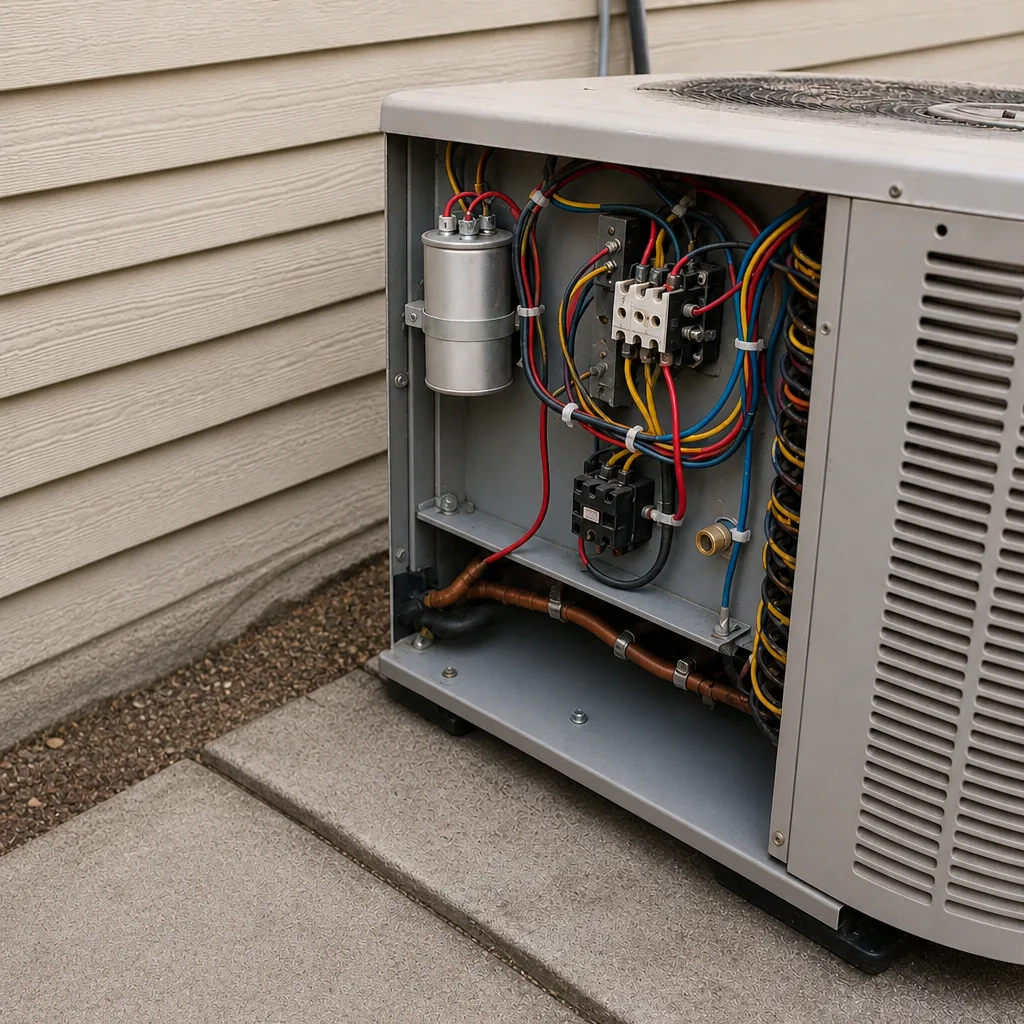
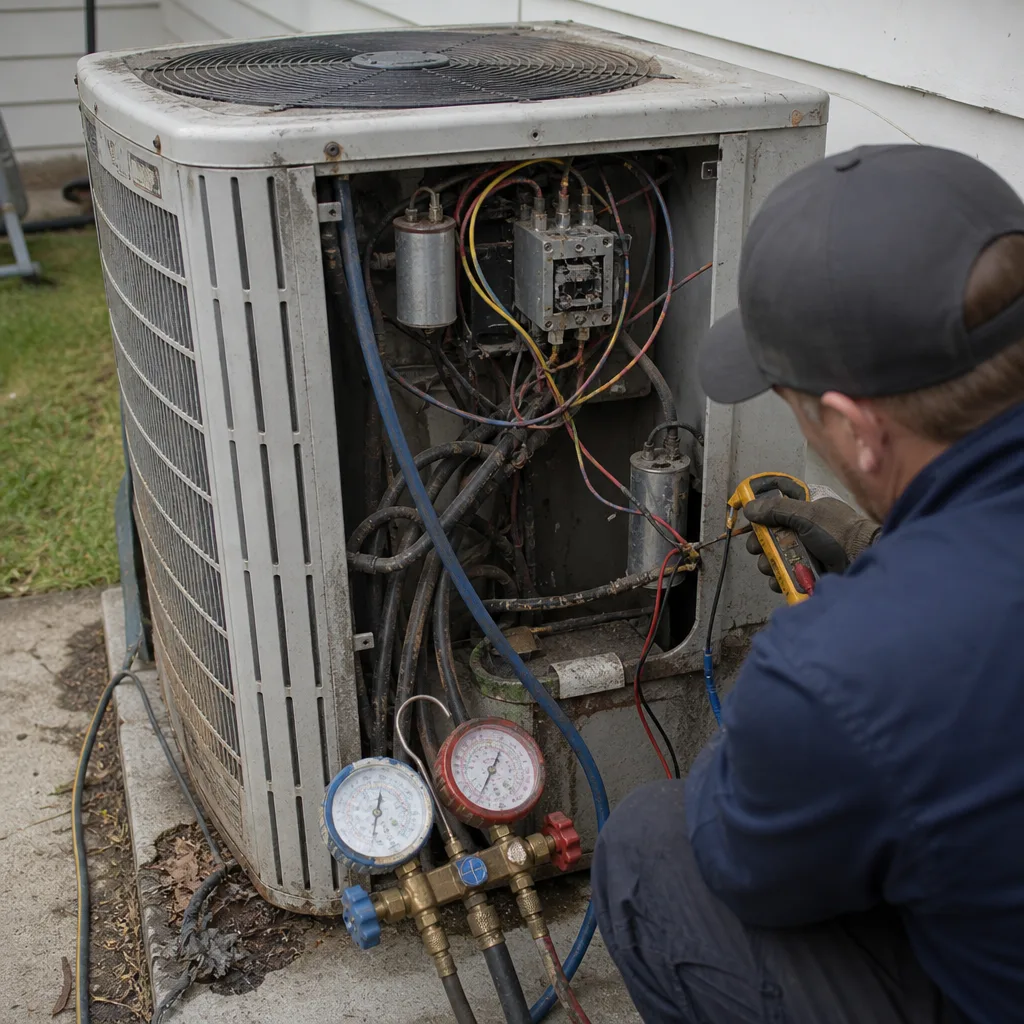
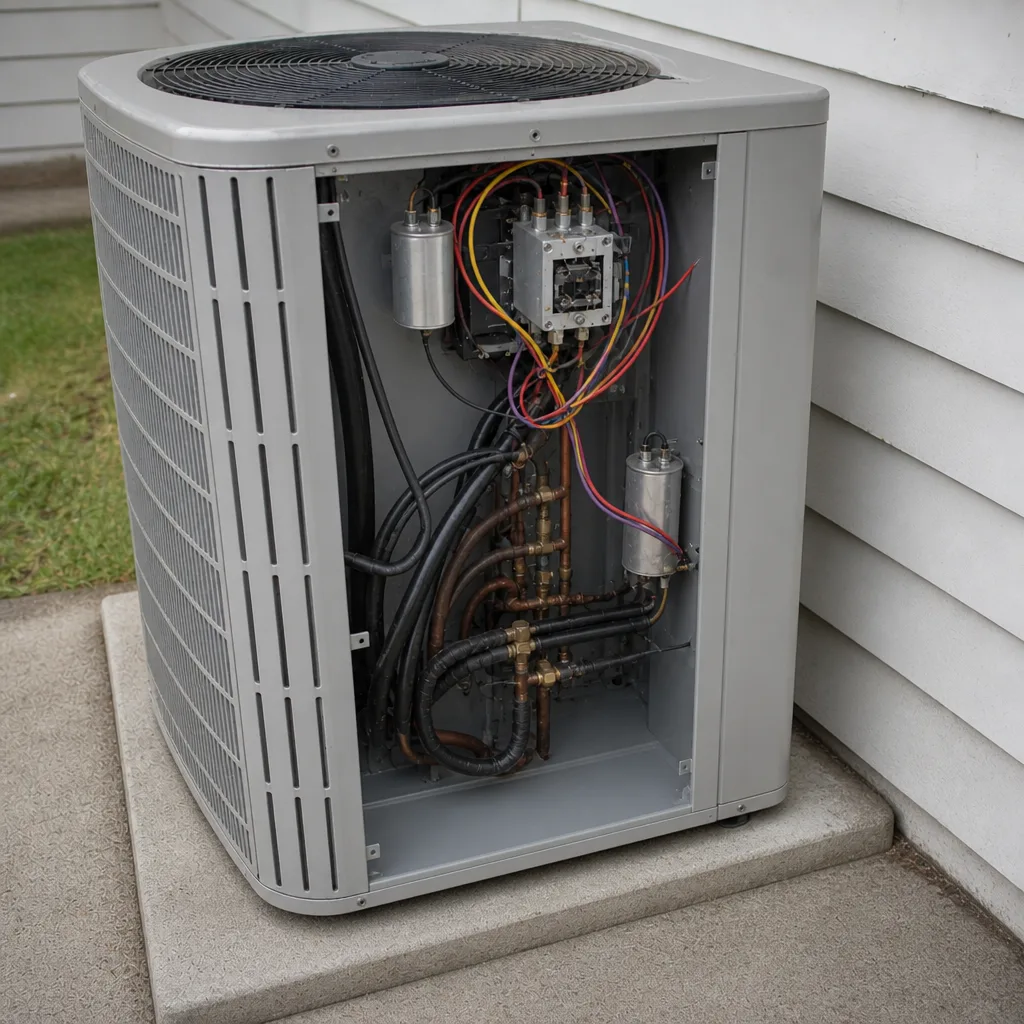
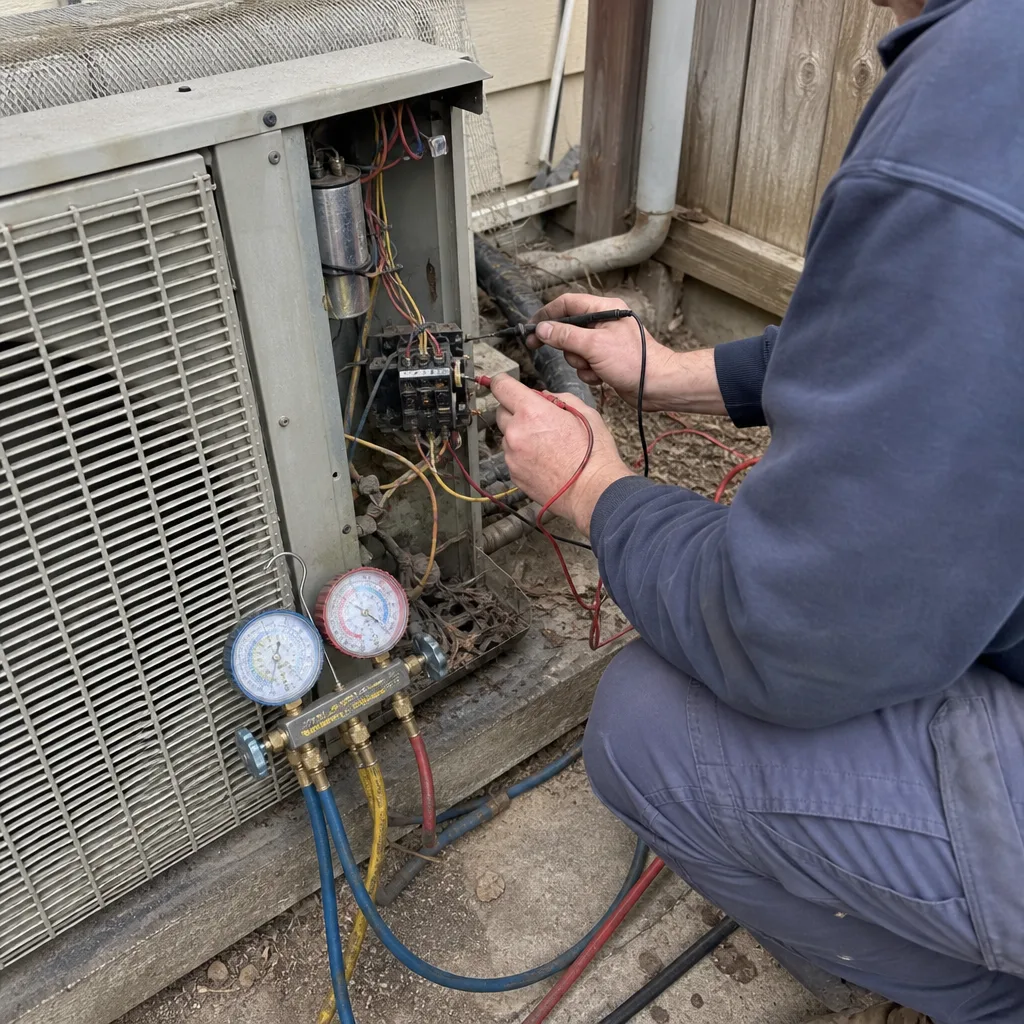
See the difference
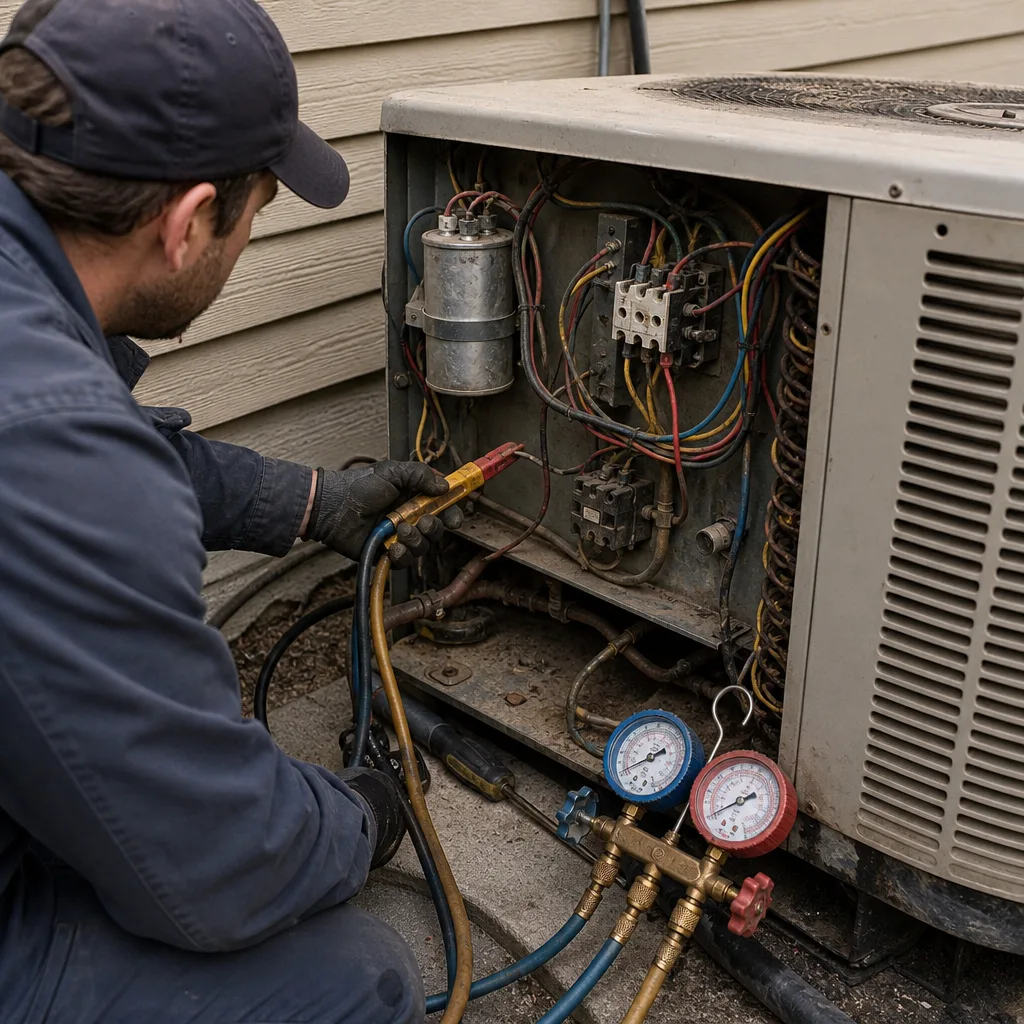 Before
 After
 Before
 After
 Before
 After
When to Call a Professional
Some warning signs can wait for a scheduled visit, and some can’t. Call right away for a sulfur or rotten-egg smell near a gas furnace, a carbon monoxide detector going off, a burning electrical smell, or a furnace that short-cycles while producing soot or a persistent burnt smell. These point to combustion or electrical problems that need a trained technician with instruments. Schedule a call soon for a utility bill that’s up 15-20% with no weather or rate explanation, ice on the refrigerant lines, or a musty smell that keeps returning. If in doubt, call; a technician can tell you within a few minutes whether the visit can wait. Oakridge AC Repair offers free estimates in West Valley City: call (844) 945-2917. We answer 24/7. Fast dispatch from 7am to 7pm, Sunday through Friday. Our technicians have up to 9 years of experience with the systems that run in this valley.
Frequently Asked Questions
The most common early warning signs we see in West Valley City homes are short cycling on cold days, a musty or faintly burnt smell when the system starts, ice on refrigerant lines in summer, and a utility bill that jumps 15-20% without a weather or rate change. Short cycling in winter and bill spikes in summer are the two the most homeowners miss, because the system still “runs.” Catching either one early usually means a repair instead of a replacement. Call (844) 945-2917 for a free estimate if you’re seeing two or more of these together.
Short cycling is a safety concern when it comes with a burnt smell, soot, a carbon monoxide detector alarm, or a flame that keeps tripping on the limit switch. A cracked heat exchanger can let carbon monoxide into the supply air, which is the top reason any furnace short cycling needs a professional inspection, not just a thermostat change. If you smell sulfur or your CO detector goes off, leave the home and call your gas utility first. Then call (844) 945-2917 so a technician can evaluate the furnace before anyone runs it again.
Yes. Hard water accelerates scale buildup in furnace humidifiers, condensate pans, and drain lines, and scale on the evaporator coil reduces heat transfer in summer. The symptoms are quiet: dry winter air that never hits the humidistat target, white crust on the humidifier pad, or a condensate pump that stalls. A pad change once before winter is worth doing, and the coil and drain check fits into any routine service visit. If you’re not sure whether your home has a hard-water issue, ask your utility or look at the fixtures; scale on faucets is the clue. Call (844) 945-2917 for a free estimate.
Usually yes, though a technician needs instruments to confirm. Ice on the indoor coil and the larger suction line, with a home that cools poorly all over, points to low refrigerant. Ice on the coil with uneven cooling, sometimes only in some rooms, points to restricted airflow, and the most common cause is a dirty filter. Either way, turn the system off and let it thaw. Call (844) 945-2917 for a free estimate so a technician can check it before you run the system again.
We set every price per job with a written estimate, so the number depends on what the diagnosis finds. A simple thermostat or sensor replacement costs less than a refrigerant leak search or a blower motor replacement. Call (844) 945-2917 for a free estimate; estimates are free, and we walk you through the options before any work begins.
In most cases, yes. We’re qualified to work on Carrier, Trane, Lennox, Goodman, Rheem, York, Daikin, Bryant, and American Standard, so you won’t be told your existing equipment is out of network. That matters when a small repair is all you need and a replacement isn’t on the table yet. Call (844) 945-2917 for a free estimate, and we’ll tell you what we can do with the system you have.
The Bottom Line
The HVAC signs that matter most in West Valley City are the quiet ones: short cycling on inversion days, a musty or burning smell on startup, ice on the refrigerant lines, a bill that’s jumped 15-20% without an explanation, and scale buildup in a hard-water home. Each of these gives you weeks or months of warning before a full failure. Two or more together means it’s time to call. We work on nine major brands, we’re brand-neutral in our recommendations, and we’ll tell you whether repair or replacement makes more sense. Our technicians have up to 9 years of experience with the systems that run in this valley.
For a free estimate, call Oakridge AC Repair at (844) 945-2917. We answer 24/7. Fast dispatch from 7am to 7pm, Sunday through Friday. If you’re looking at a repair or a replacement in West Valley City, we’re happy to walk you through what we find. Start with a diagnosis, and see Oakridge AC Repair for the rest of our heating and cooling services.
Written by the team at Oakridge AC Repair.