
Last updated November 15, 2026
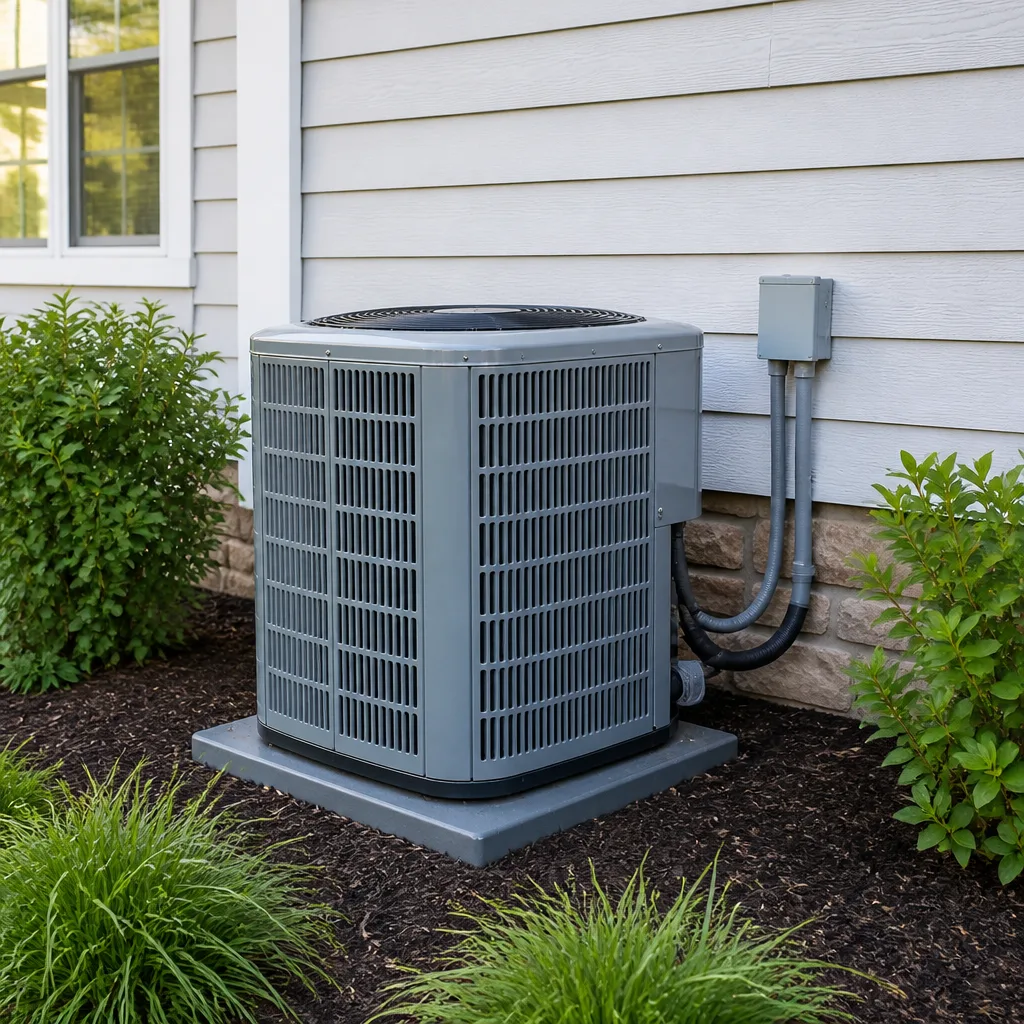 AC repair
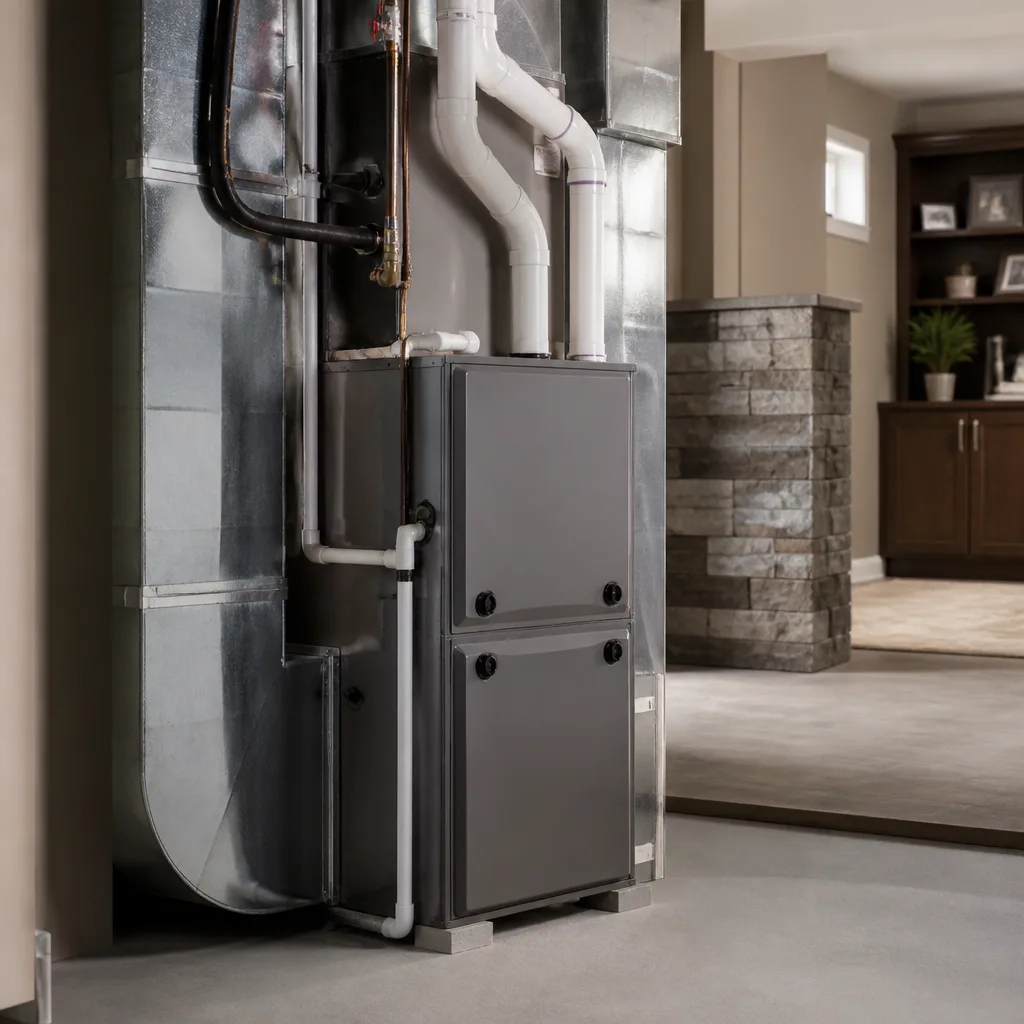 Furnace & heating
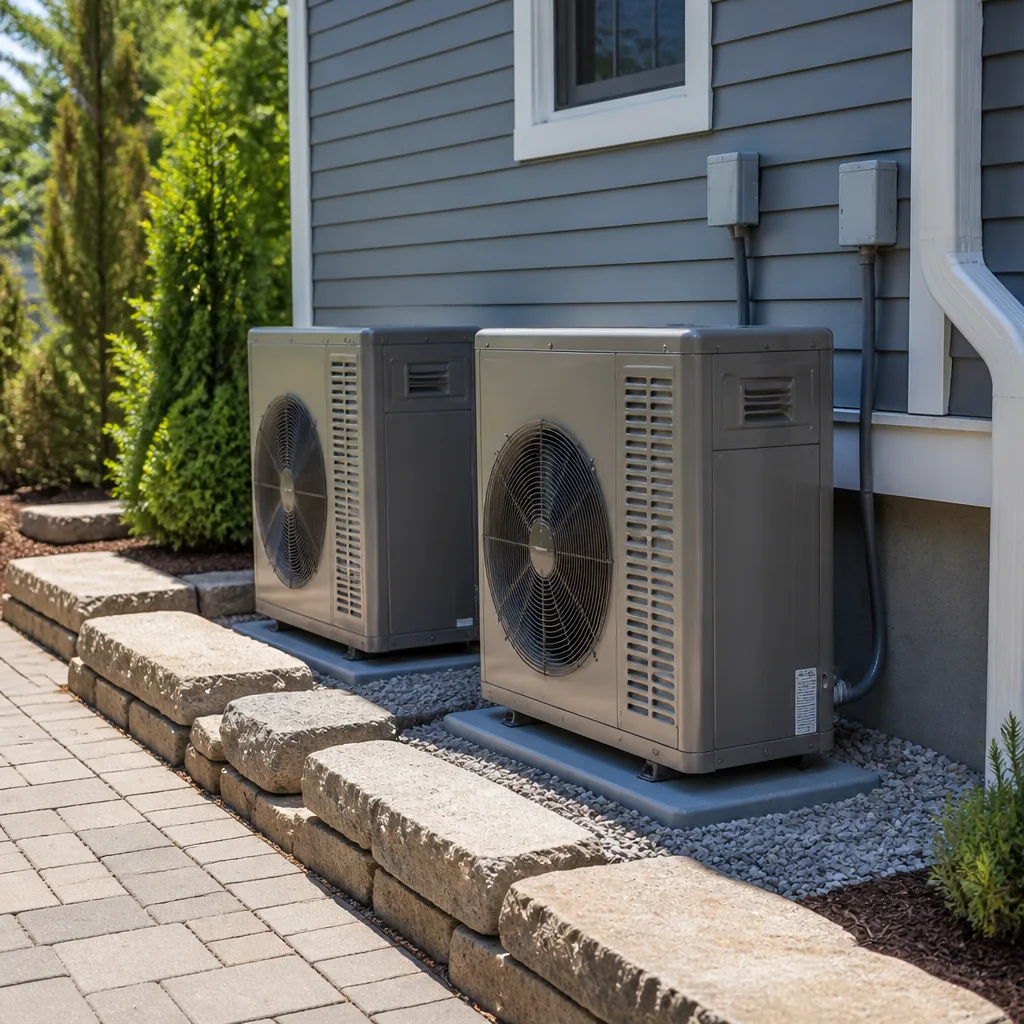 Heat pumps
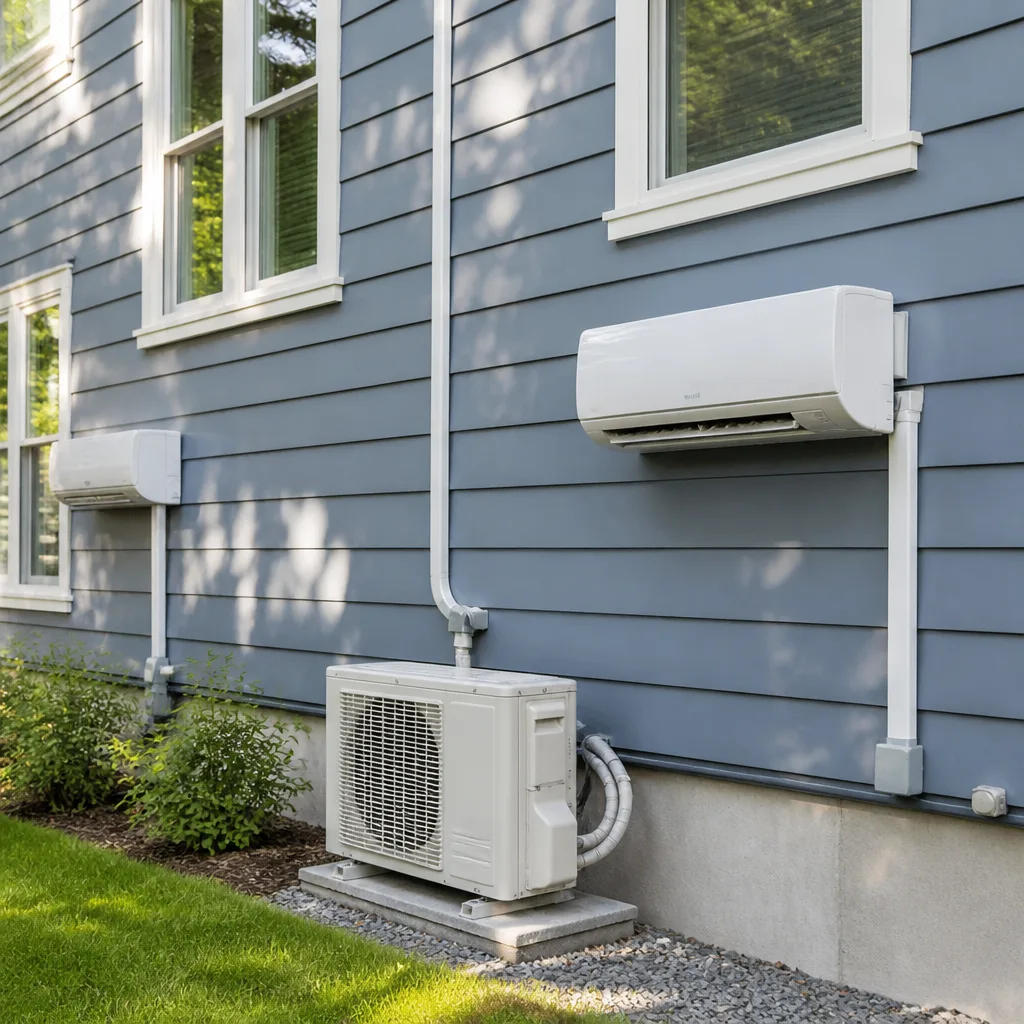 Ductless mini splits
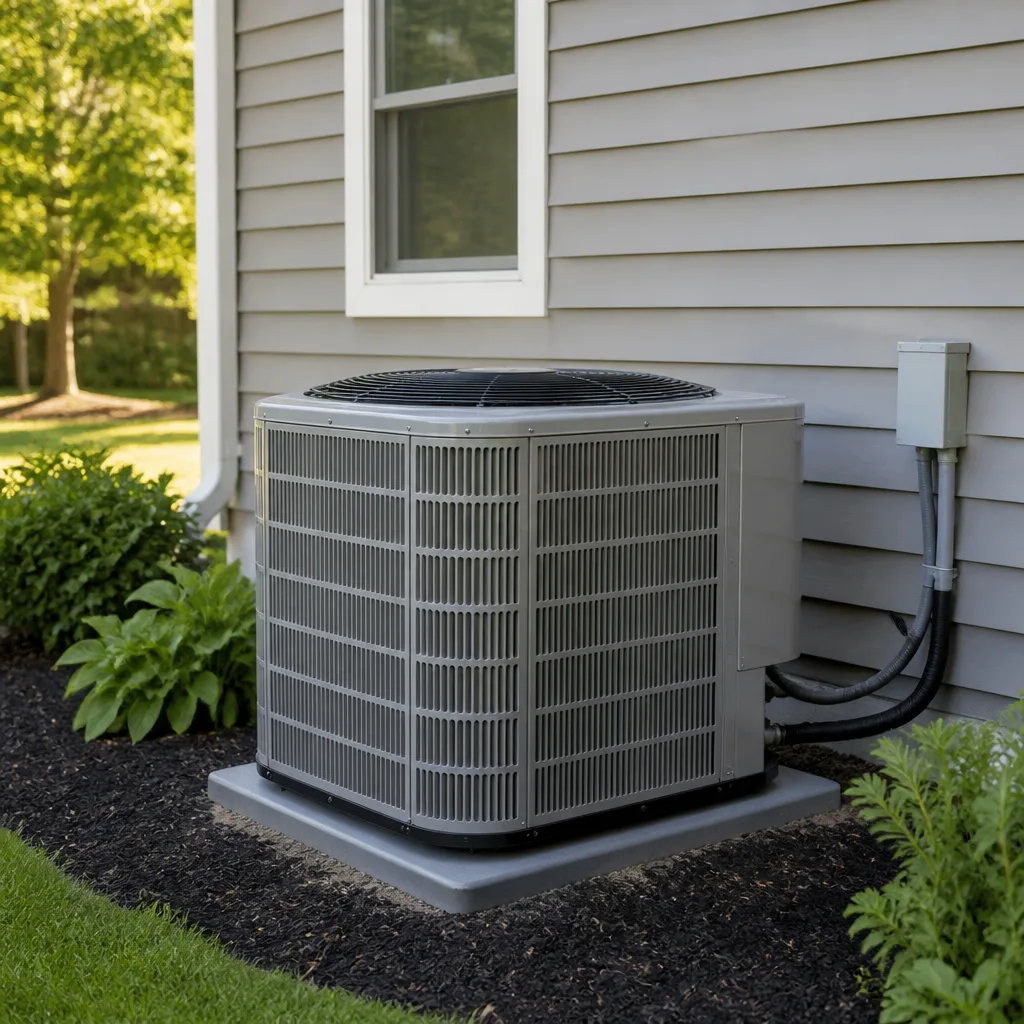 Carrier
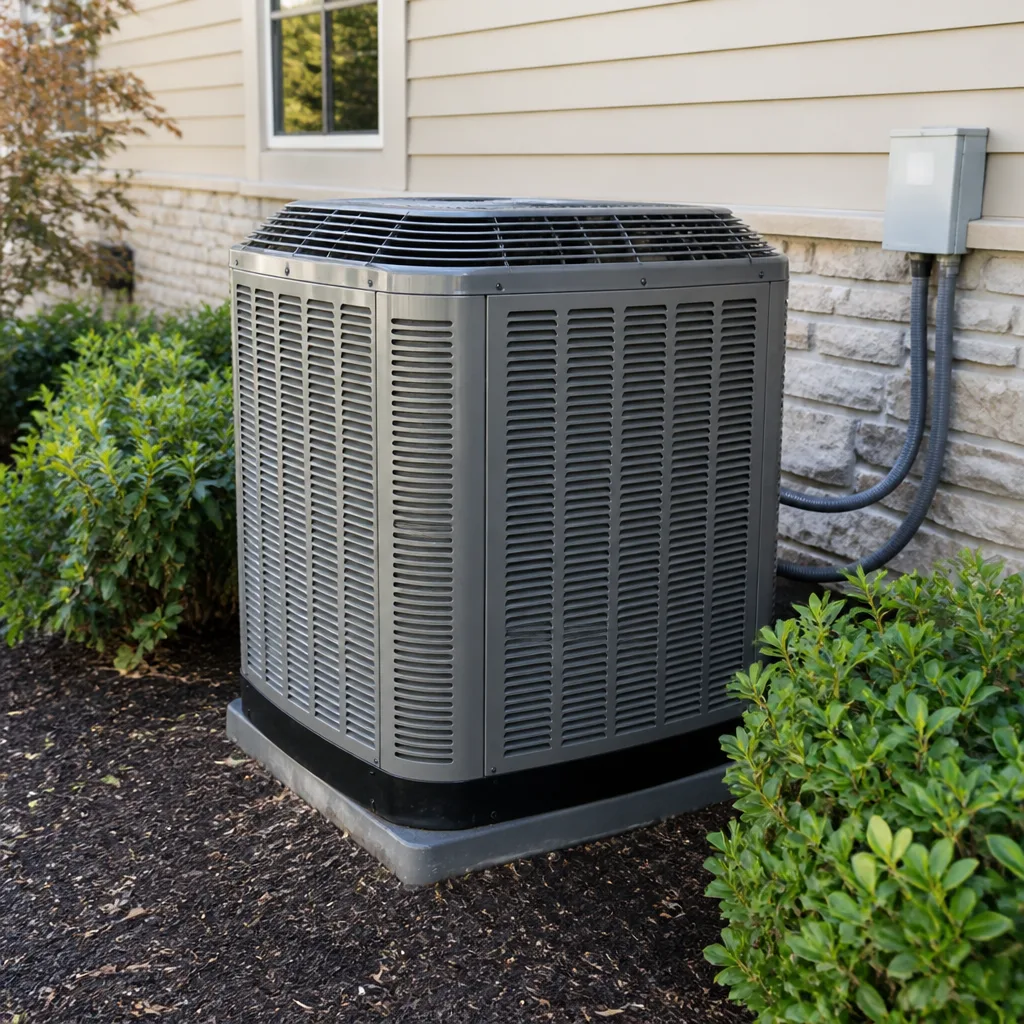 Trane
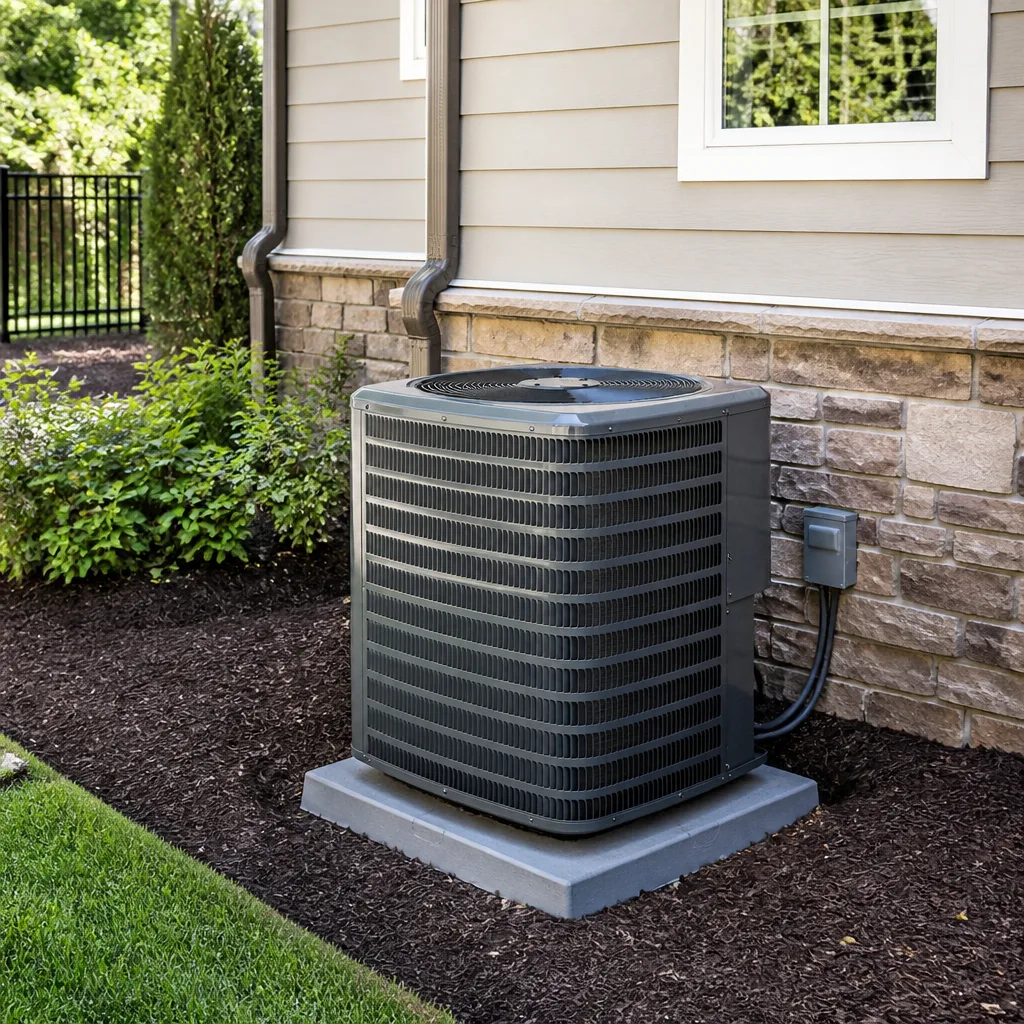 Goodman
Seasonal tune-up and full diagnostic on your Carrier, Trane, or Goodman system - readings shown to you before any repair is proposed
Diagnosis first, numbers second - you approve the repair price before a single part goes in.
Get your free estimateHVAC Cost Breakdown: The West Valley City Homeowner’s Reference for 2026
Most HVAC cost guides hand you a national average and send you on your way. That number is close to useless in West Valley City, where labor rates, utility structures along the Salt Lake Valley floor, and local permit fees all shift the math in ways a national figure never captures. Here’s the part that surprises homeowners most: the gap between the lowest and highest quote for the same replacement job in this city routinely runs three to five thousand dollars, and the cheaper bid isn’t automatically the smart one. Over the next few sections we’ll walk through line-item pricing, SEER2 payback, the rebate landscape for 2026, and a repair-or-replace framework calibrated to equipment lifespans in Utah’s high-desert climate.
Quick Answer
A full central AC replacement in West Valley City typically runs $5,800 to $11,500 in 2026, with equipment, labor, refrigerant, permit, and disposal broken out separately. Furnace replacement usually lands between $4,200 and $8,900 for a standard single-stage unit, and repair work ranges from $180 for a capacitor to $1,800 for a blower motor. Your written estimate is the final word – everything here is a planning range, not a quote.
Styles & brands we work with
- AC repair
- Furnace & heating
- Heat pumps
- Ductless mini splits
- Carrier
- Trane
- Goodman
Table of Contents
- What’s Actually Inside a 2026 AC Replacement Quote?
- How Does SEER2 Change What You Pay Upfront and Monthly?
- Which 2026 Rebate Programs Apply in West Valley City?
- What Do West Valley City HVAC Labor Rates Look Like?
- What Does Furnace Replacement Cost Here?
- Repair or Replace: How Do You Run the Numbers?
- What Do Permits and Disposal Add to the Bill?
- Does Brand Choice Move the Price?
What’s Actually Inside a 2026 AC Replacement Quote?
A replacement quote should have five visible line items: equipment, labor, refrigerant charge, permit fees, and disposal. When a contractor hands you a single lump-sum figure with no breakdown, that’s the first thing to ask about. Here’s how those lines typically shake out in the current West Valley City market.
- Equipment (condenser and air handler or coil): $2,400 to $5,600 depending on tonnage and SEER2 tier
- Labor: $1,400 to $2,600 for a straight swap; more if ductwork, line set, or electrical modifications are needed
- Refrigerant charge: $150 to $450 depending on line set length and refrigerant type
- Permit: $120 to $280 through Salt Lake County and the city building department
- Disposal and recycling: $80 to $175 for hauling off the old condenser and properly recovering refrigerant
Add a new line set, a pad, or electrical work and you’re looking at another $400 to $900. The reason line-item transparency matters in West Valley City is because the housing stock runs a wide gamut – mid-century ranches near Granger and newer builds out toward the western benches have very different duct configurations. A contractor who’s actually measured your home’s load will give you a different equipment line than one who’s guessing by square footage. That’s why we don’t quote without seeing the setup. The written estimate is what sets the final price, not the numbers on this page.
How Does SEER2 Change What You Pay Upfront and Monthly?
SEER2 is the updated efficiency standard that replaced SEER in 2023, and it uses a tougher test protocol – which means the same nominal number actually represents a bit more efficiency than old SEER ratings did. In practical terms, going from a 14.3 SEER2 base unit to a 16 SEER2 mid-tier typically adds $600 to $1,100 to the upfront cost.
Here’s the interesting part for Utah homeowners: the payback math in West Valley City is slower than in places like Phoenix or Houston, because our cooling season is shorter and summer design temperatures along the Wasatch Front sit closer to 95°F than 110°F. A system running a few hundred hours per cooling season doesn’t have enough runtime for top-tier efficiency to claw back a large price premium quickly. In our experience, most homeowners here hit the sweet spot with 15-16 SEER2 rather than chasing 18+ units.
What does move the monthly bill more than SEER2 rating: duct leakage, refrigerant charge accuracy, and thermostat behavior. A perfectly tuned 15 SEER2 system in a West Valley City home with tight ducts will outperform a poorly installed 18 SEER2 unit every time.
For a deeper look at how equipment tiers map to specific home types, the ac installation service page covers sizing and selection questions.
Which 2026 Rebate Programs Apply in West Valley City?
Rocky Mountain Power and Dominion Energy both run equipment efficiency programs, though the exact payout amounts shift year to year. The general structure: Rocky Mountain Power offers incentives for qualifying high-efficiency AC and heat pump installations, and Dominion Energy offers furnace-related incentives tied to AFUE ratings. Amounts for 2026 should be confirmed directly with each utility before you sign a contract, because the effective dates and qualifying equipment lists change.
Here’s how to actually claim them:
- Check the current rebate schedule on the Rocky Mountain Power and Dominion Energy websites before selecting equipment.
- Match the equipment model number in the contractor’s quote against the utility’s approved list – not every high-efficiency unit qualifies.
- Confirm the contractor will supply the install documentation the utility requires (invoice, model numbers, efficiency ratings).
- Submit the rebate application within the utility’s window; some payouts go to the homeowner, some are passed through on the invoice.
Do not bundle federal tax credits into your quote comparison – those are claimed on your tax return, not deducted at the point of sale. Comparing quotes with and without federal credit math applied is a common source of confusion during the West Valley City replacement season.
What Do West Valley City HVAC Labor Rates Look Like?
Labor typically runs 25 to 35 percent of a replacement quote in the West Valley City market. For a full system swap, that’s usually $1,400 to $2,600 for a straightforward install in a home with existing accessible ductwork and adequate electrical service.
What signals a dangerously low labor number:
- No permit pulled. A sub-$100 labor line almost always means the contractor skipped the permit. That’s a future inspection problem if you ever sell the home.
- No load calculation. If a contractor is pricing without a Manual J or a proper room-by-room measurement, they’re guessing on tonnage – and an over- or under-sized system costs more to run.
- No mention of refrigerant recovery. Proper recovery of the old system’s charge is required and takes time. A quote that ignores this step is cutting corners.
- Line set reuse without inspection. Sometimes the existing line set is fine. Sometimes it isn’t. A careful installer checks, a cheap one assumes.
Repair labor runs $95 to $185 per hour as a component of the total bill, though most repair work is quoted as a flat price rather than by the hour. Our technicians have up to 9 years of experience with furnace and AC systems, which matters when the diagnosis is subtle – a failing capacitor, a cracked ignitor, or a refrigerant leak in an older Trane or Carrier system.
What Does Furnace Replacement Cost Here?
Standard single-stage furnace replacement in West Valley City typically lands between $4,200 and $8,900 depending on size, efficiency tier, and installation complexity. Two-stage and modulating units push toward the top of that range and beyond.
- 80% AFUE single-stage: $4,200 to $5,800
- 96% AFUE two-stage: $6,200 to $8,200
- 96%+ modulating: $7,800 to $9,600
- Venting retrofit (if required): add $500 to $1,400
West Valley City’s winter design temperature dips to the single digits most years, and older homes near Granger and Hunter often have ductwork sized for 1970s-era equipment. Upgrading from 80% to 96% AFUE is where the efficiency math actually works here – heating runtime is long enough in a Utah January that a 15-point AFUE improvement pays back faster than the equivalent SEER2 upgrade does in summer. That math is why we often walk homeowners toward a high-efficiency furnace before considering a premium AC tier.
When a furnace quits mid-January, speed matters more than the specification sheet. Furnace repair starts with diagnosis, and the written estimate tells you whether repair or replacement is the right call before any work begins.
Repair or Replace: How Do You Run the Numbers?
The age-times-repair rule works like this: multiply the system’s age by the repair bill. If the result exceeds $5,000, replacement usually makes more financial sense than repair. But that framework needs calibration to Utah equipment lifespans, which differ from the national averages you’ll see quoted online.
Here’s the adjusted math for West Valley City:
- Typical AC lifespan here: 12 to 15 years. The dry air is easier on equipment than humid climates, but the high summer load is harder.
- Typical furnace lifespan here: 15 to 20 years. Long, cold heating seasons mean more runtime hours than the national average.
- Repair cost as percentage of replacement: if a repair costs more than 40 percent of a new install, replacement is usually the better path.
- Refrigerant factor: older R-22 systems facing a major repair genuinely tilt toward replacement because R-22 pricing continues to escalate.
- Second major repair in three years: a strong signal to replace rather than patch again.
Age, repair cost, and refrigerant type together give you a clearer answer than any single rule. A 10-year-old Carrier condenser needing a $500 capacitor and contactor is an easy repair. The same unit needing a $2,400 compressor is a decision point.
What Do Permits and Disposal Add to the Bill?
Salt Lake County and the West Valley City building department both require permits for AC and furnace replacement, and the fee typically runs $120 to $280 depending on scope. Some quotes fold this into the labor line; others list it separately. Either is fine, as long as it’s in there.
Disposal and refrigerant recovery typically add another $80 to $175. That number covers hauling the old equipment off and properly recovering the refrigerant charge – both required for legal and environmental reasons. A quote that has no disposal line either didn’t think about it or is planning to leave the old unit by your curb.
Ask specifically whether the quote includes the permit and the final inspection. Some contractors pull the permit but skip the inspection and let the buyer deal with the paperwork at sale time. That’s the kind of gap that shows up during a West Valley City home inspection. We always include the permit line because we want the install signed off wall-to-wall.
Does Brand Choice Move the Price?
Within equivalent tiers, brand differences are usually modest – $300 to $700 between comparable units from Bryant, American Standard, Carrier, or Trane. What drives cost more is tier (base, mid-range, premium) and efficiency rating than the brand badge on the door. That’s why we’re brand-neutral by design: a Carrier base unit versus a Trane base unit is not a meaningful price split. A Carrier base unit versus a Carrier premium inverter unit is.
There’s a second reason brand flexibility matters: repair. If your existing system is a Lennox, Goodman, or Rheem model and a contractor tells you they “can’t service that brand,” you can probably guess the real reason. We work on nine of the industry’s most recognized brands – Carrier, Trane, Lennox, Goodman, Rheem, York, Daikin, Bryant, and American Standard – so the choice is always about what fits your home and budget, not what we happen to sell.
If your home is in the market for a full evaluation, the West Valley City coverage page spells out the neighborhoods we typically work in.
Common Mistakes to Avoid
- Comparing quotes with different scope. One contractor may quote a straight swap while another includes duct sealing and electrical. Two numbers aren’t comparable until the line items match. Ask each bidder to quote to the same scope.
- Skipping the load calculation. West Valley City homes range from small 1960s ranches near Granger to large two-story builds on the western benches. A system sized by square footage alone is often wrong by a full half ton, and that miss shows up on your utility bill for 15 years.
- Assuming higher SEER2 always pays back. In Utah’s shorter cooling season, chasing the top efficiency tier rarely pencils out. The 15-16 SEER2 band is where the math usually sits well.
- Ignoring the rebate timing. Rocky Mountain Power and Dominion Energy programs change their qualifying equipment lists periodically. Buy the equipment before checking the list and you may miss a qualifying rebate entirely.
- Letting the contractor skip the permit. A permit-less install is cheap up front and expensive at resale. Salt Lake County inspectors will flag unpermitted work, and that can stall a future home sale.
- Replacing the AC when the furnace is next. If your furnace is 18 years old and your AC just failed, do the math on both together. A combined replacement almost always prices out better than two separate installs within a year of each other.
- Trusting a quote that doesn’t include the disposal line. Proper refrigerant recovery and hauling are required, and a missing line item usually means a hidden charge appearing later.
See the difference
 Before
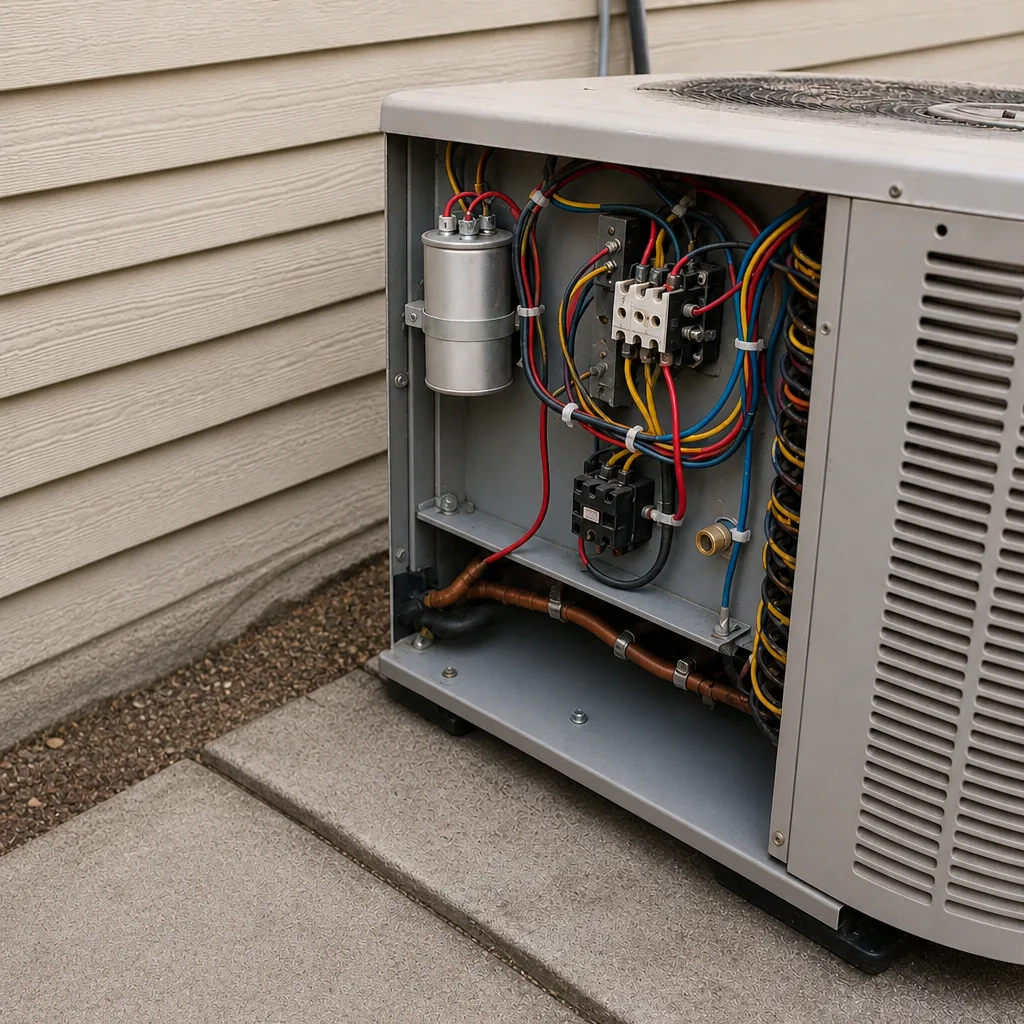 After
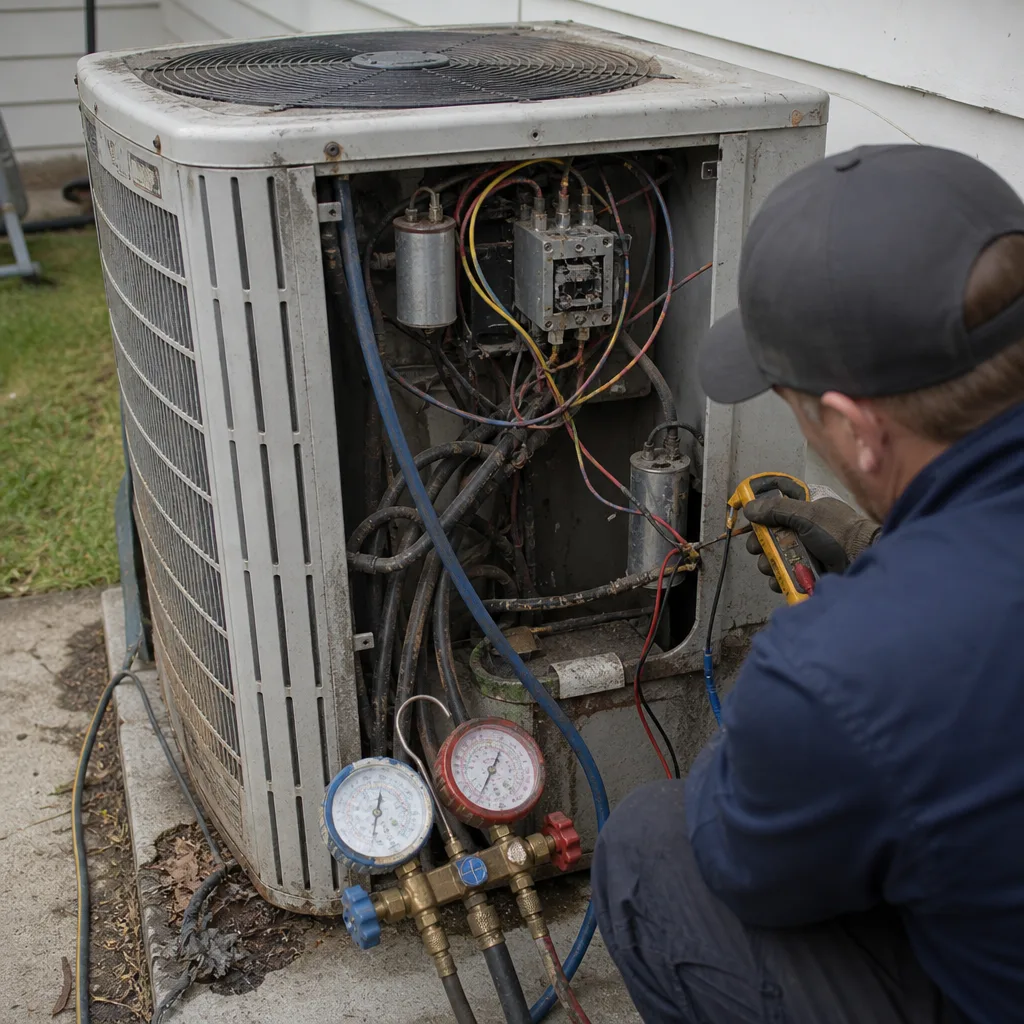 Before
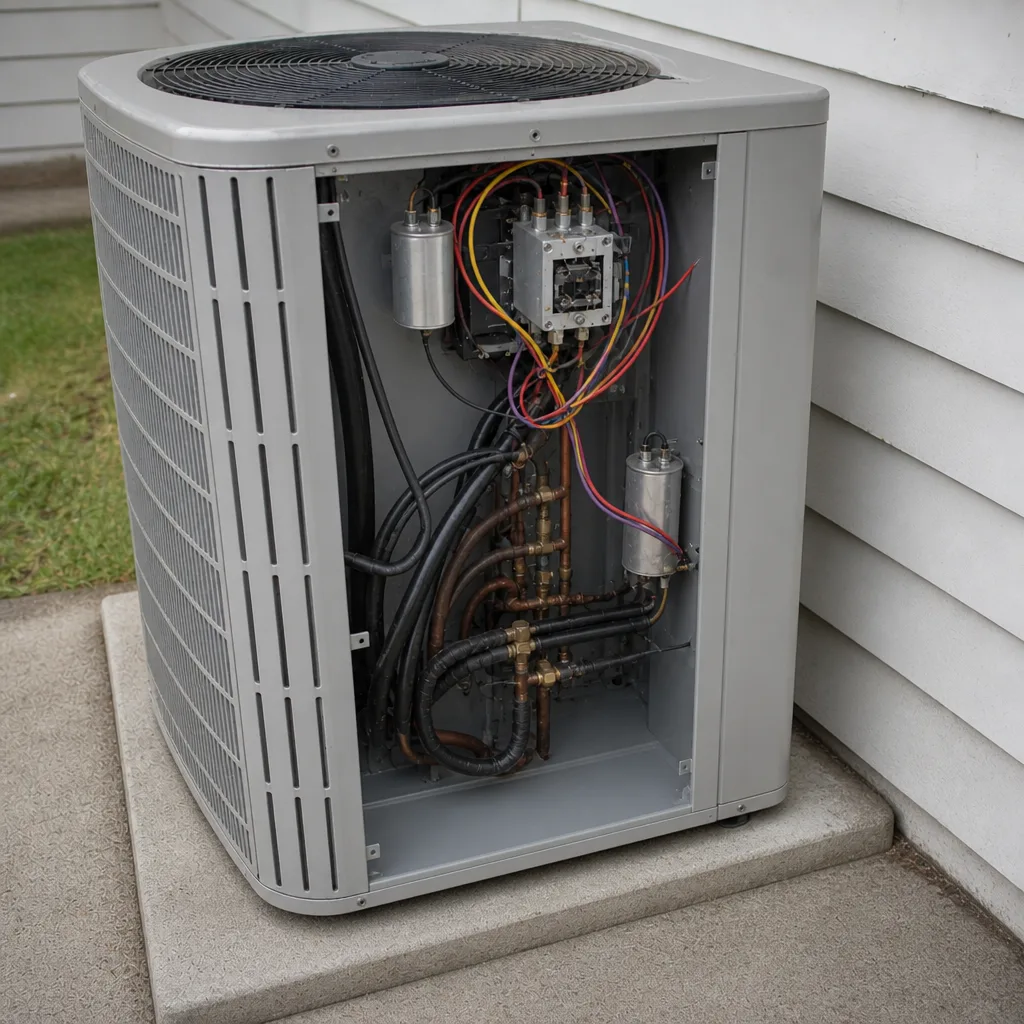 After
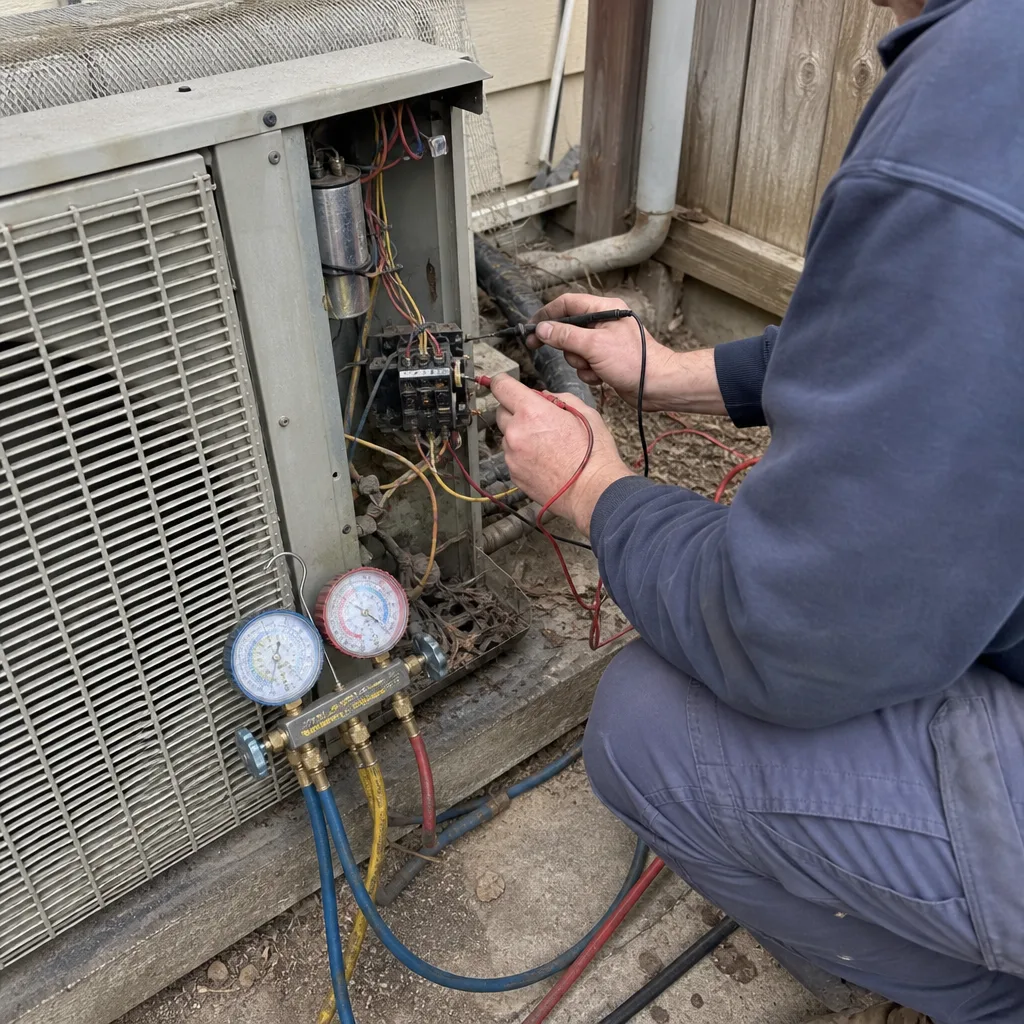 Before
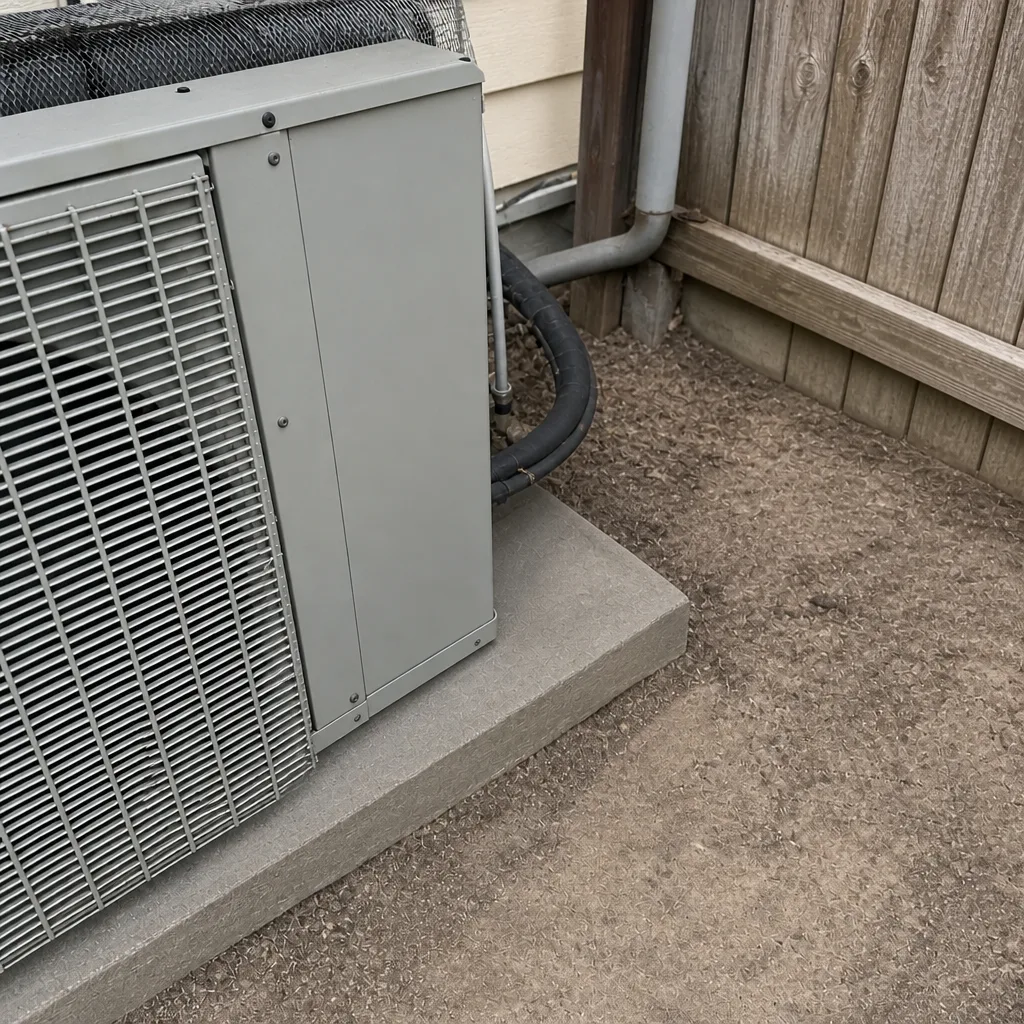 After
When to Call a Professional
Call a professional when a system isn’t heating or cooling evenly room to room, when your energy bill jumps more than 20 percent without a rate change, when any burning smell or gas odor appears near the furnace, or when a repair is projected to cost more than 40 percent of a replacement. Those are the moments where the decision framework above starts to matter, and where an on-site evaluation beats a phone guess. If you smell gas near the furnace or see scorching on electrical connections, evacuate and call your gas utility first. We also want to flag one safety point clearly: gas furnaces and electrical panels are not DIY territory, and no amount of YouTube guidance substitutes for a trained technician on those components. Oakridge AC Repair offers free estimates in West Valley City – call (844) 945-2917.
Frequently Asked Questions
AC replacement typically runs $5,800 to $11,500, furnace replacement $4,200 to $8,900, and a full simultaneous replacement of both systems $9,500 to $18,500. Those ranges include equipment, labor, refrigerant, permit, and disposal. Call (844) 945-2917 for an exact quote – estimates are free, and the written estimate sets the final price.
Yes, in most cases worth checking, though the payouts and qualifying equipment lists shift year to year. Rocky Mountain Power offers incentives on qualifying high-efficiency AC and heat pump installs, and Dominion Energy offers furnace-related incentives. Confirm current amounts directly with each utility before you buy, and ask your contractor to supply the model-number documentation the rebate application requires. Call (844) 945-2917 and we’ll help you check eligibility before the equipment is ordered.
Replace when age times repair cost exceeds $5,000, when the repair is more than 40 percent of a new install, or when you’re facing a second major repair within three years. Repair when the system is under 10 years old and the failed part is minor – a capacitor, contactor, or thermostat. Call (844) 945-2917 for an honest read on which way your math points.
A standard single-stage 80% AFUE furnace runs $4,200 to $5,800 installed. A 96% two-stage unit climbs to $6,200 to $8,200. The high-efficiency option earns its premium faster in a Utah winter because heating runtime is long enough for the AFUE gain to show up on the bill. Call (844) 945-2917 for a written fixed price and a set install date.
Often yes, depending on the day and time of your call. We answer 24/7, and crews dispatch 7am-7pm Sunday through Friday. For a failed furnace in January or a failed AC in July, treat it as a health priority rather than a comfort inconvenience – the extremes here are genuine risks. Call (844) 945-2917.
Usually not at the top tiers. West Valley City’s cooling season is shorter than what you see quoted in national averages, so a 15-16 SEER2 system typically pays back better than an 18+ unit at this latitude. Duct sealing and correct refrigerant charge often return more than an efficiency upgrade. Call (844) 945-2917 for a load calculation before you upgrade.
The Bottom Line
The gap between the cheapest and priciest HVAC quote in West Valley City is real, and it usually reflects scope differences – permit, load calculation, disposal, and line-set condition – not just margin. The five line items every quote should show are equipment, labor, refrigerant, permit, and disposal. SEER2 sweet spot here usually sits in the 15-16 range, and high-efficiency furnaces pay back faster than premium AC tiers because Utah’s heating season is longer and colder than its cooling season is hot. Every number on this page is a planning range; the written estimate you receive in person is what actually sets the price. For a brand-neutral read on repairs, replacements, or a second opinion on a quote you’re holding, we’re glad to help.
Call Oakridge AC Repair at (844) 945-2917 for a free estimate on Oakridge AC Repair services across the Salt Lake Valley. We answer 24/7. Fast dispatch, 7am-7pm, Sunday through Friday.
Written by the team at Oakridge AC Repair.