
Last updated November 15, 2026
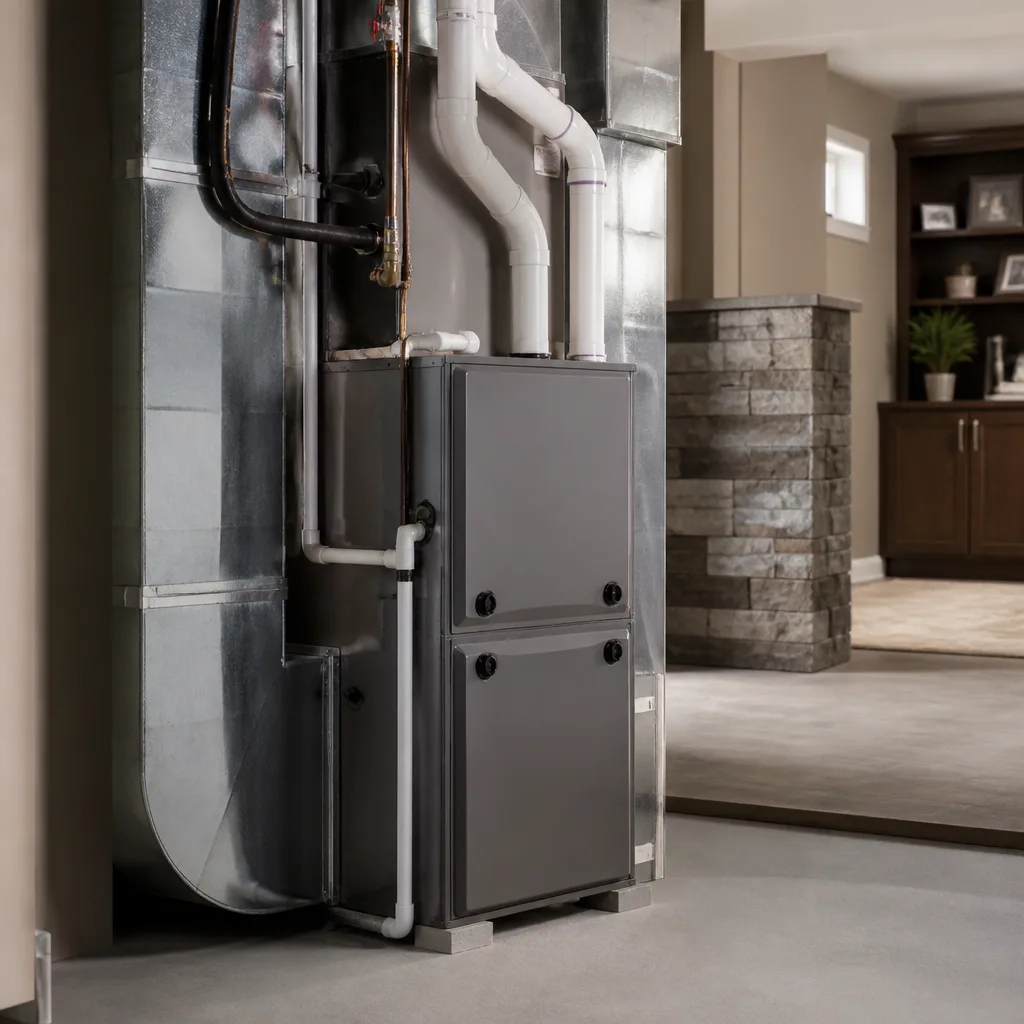 Furnace & heating
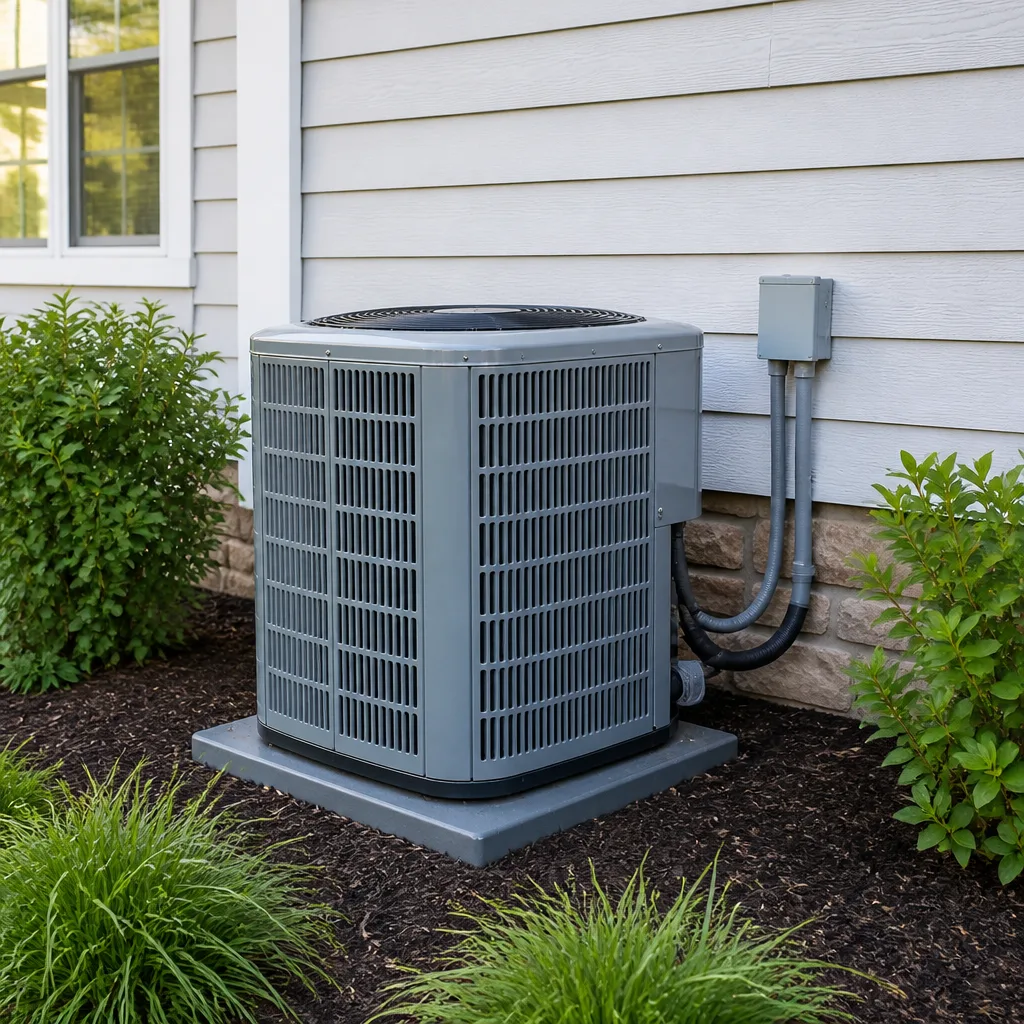 AC repair
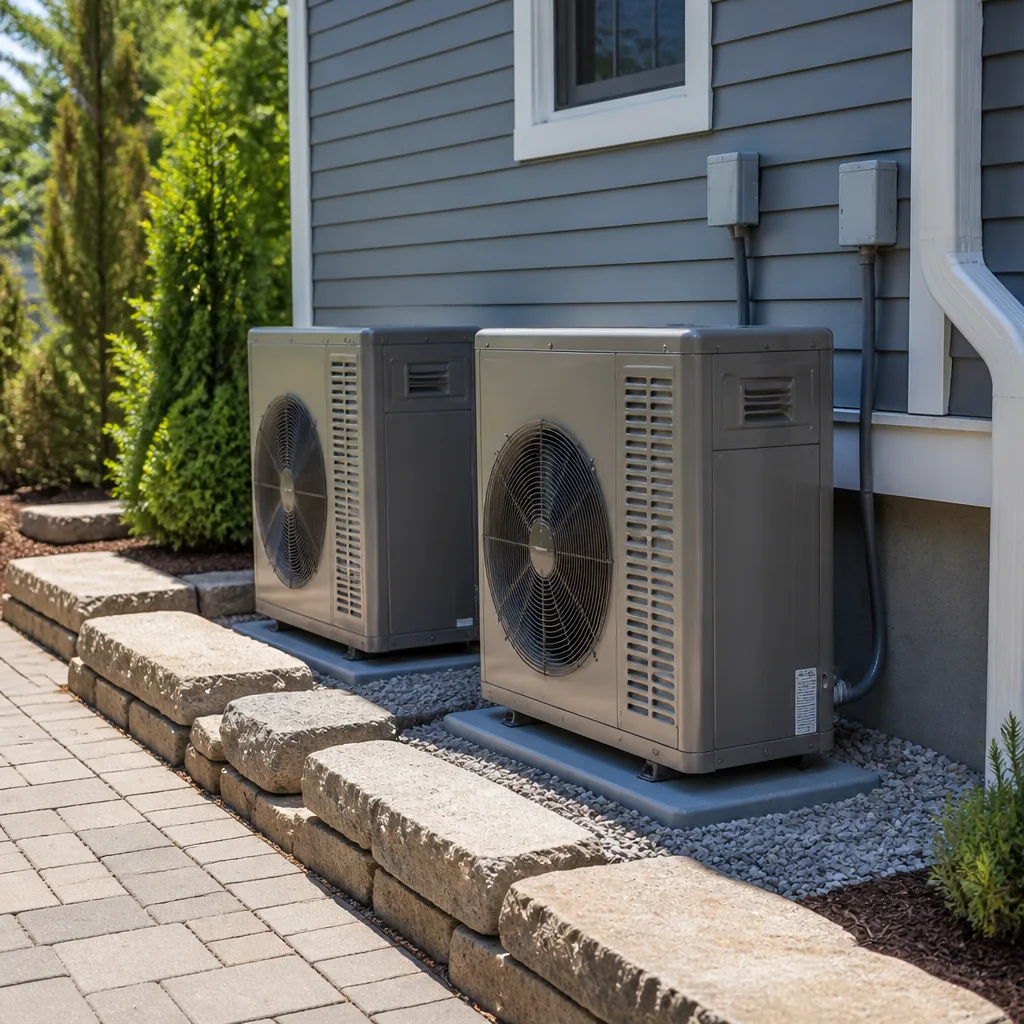 Heat pumps
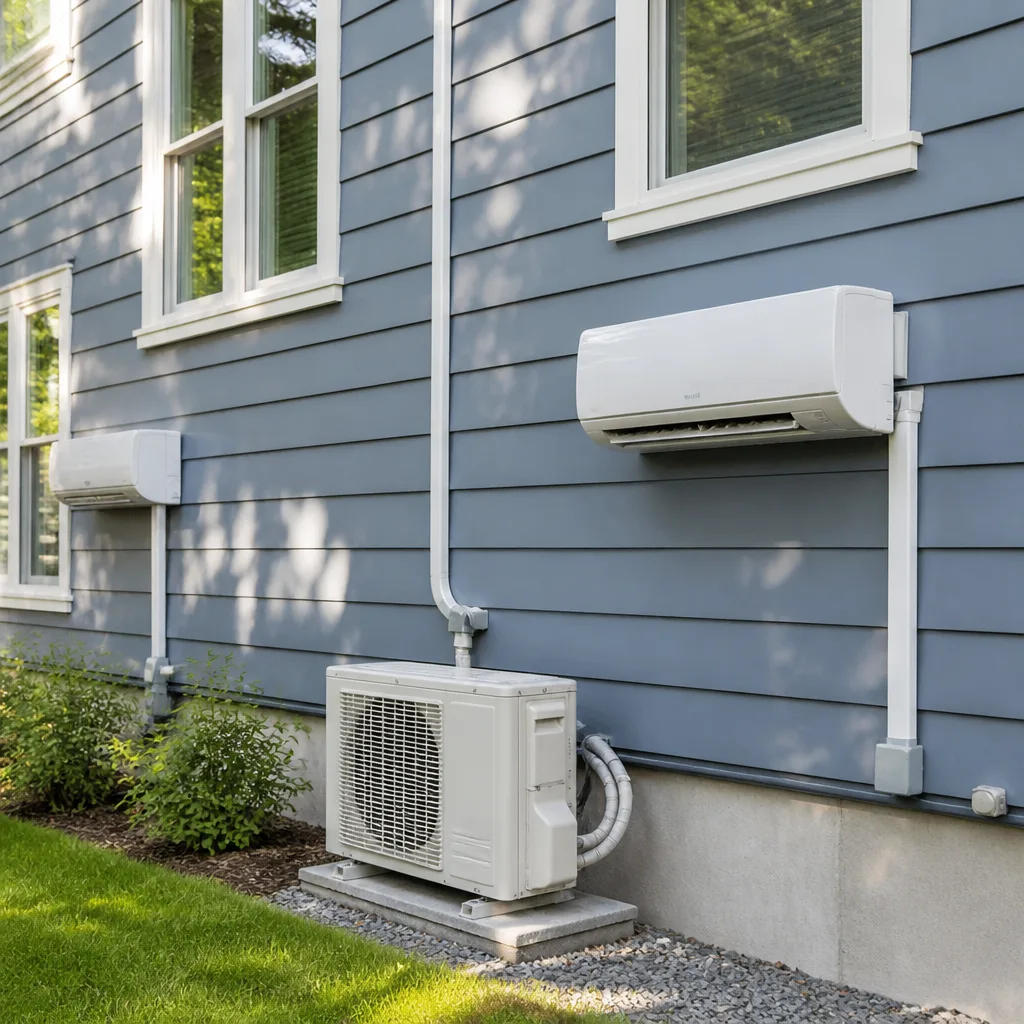 Ductless mini splits
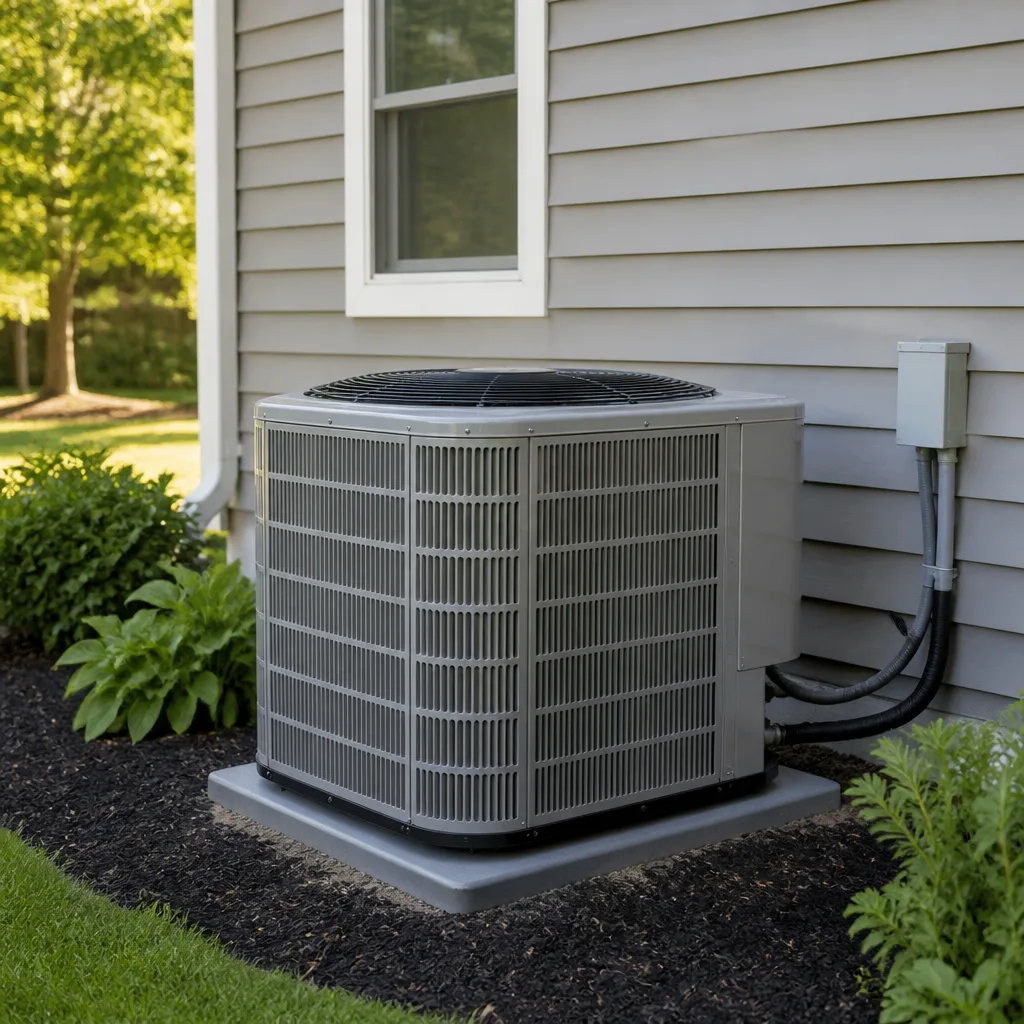 Carrier
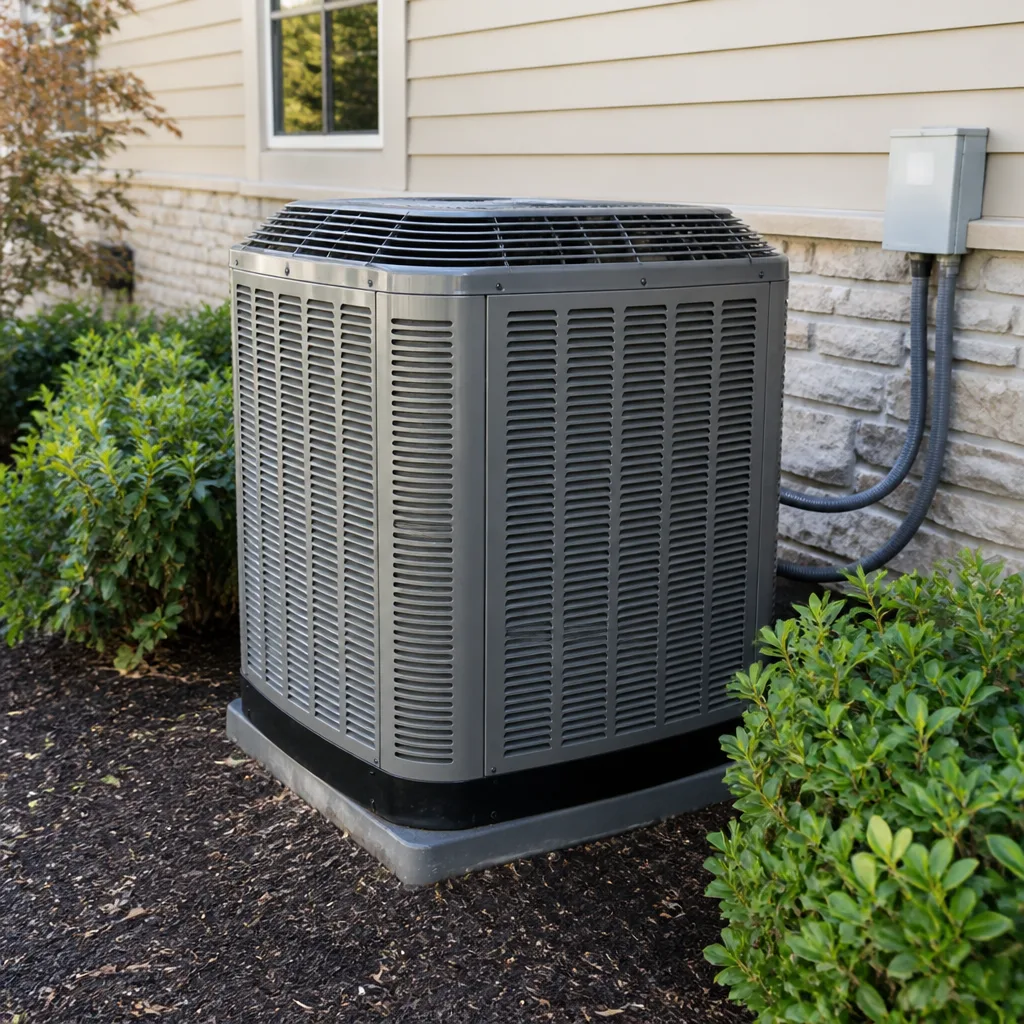 Trane
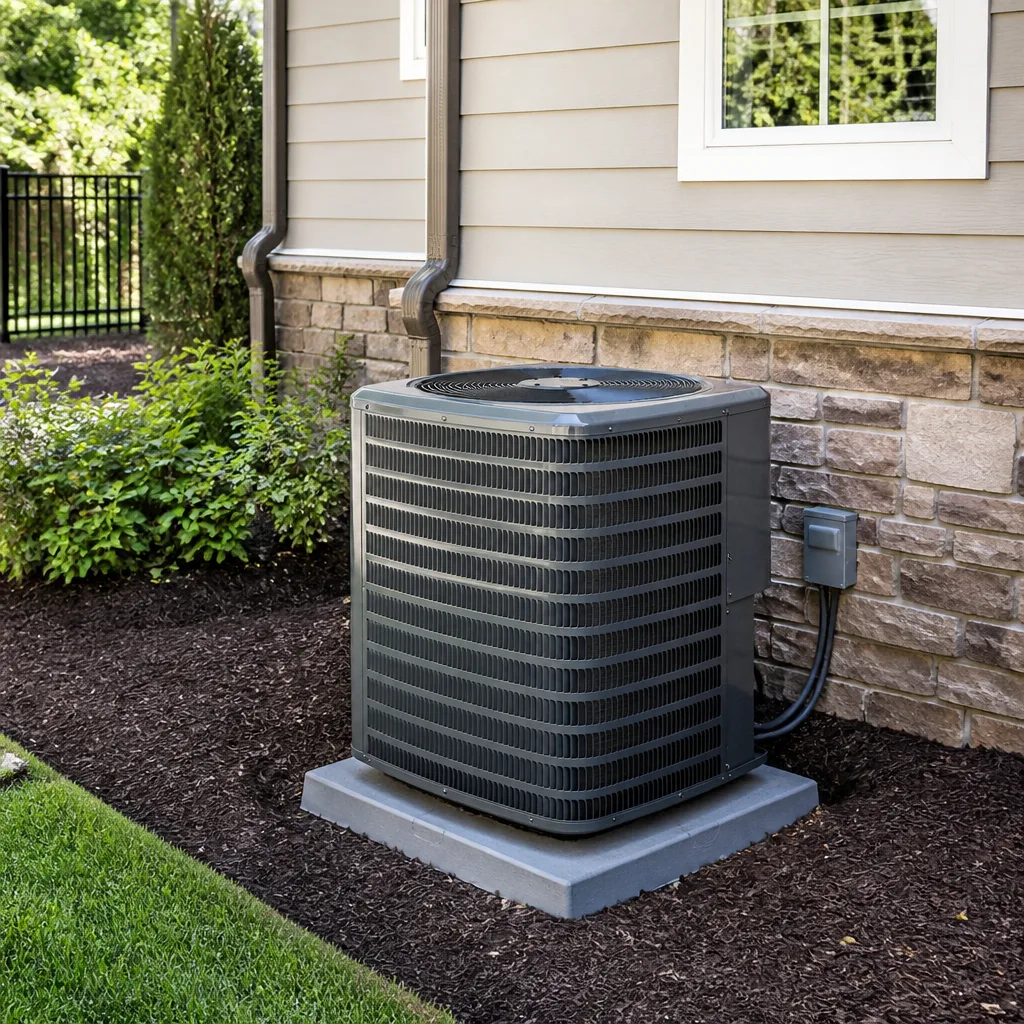 Goodman
Seasonal tune-up and full diagnostic on your Carrier, Trane, or Goodman system - readings shown to you before any repair is proposed
Diagnosis first, numbers second - you approve the repair price before a single part goes in.
Get your free estimateFurnace Replacement Troubleshooting in West Valley City: Common Problems and How to Fix Them
A cracked heat exchanger sounds like an automatic death sentence for a furnace. In our experience inspecting furnaces across West Valley City, that verdict comes too fast. Many units told they need a full replacement have a repairable component, a misread diagnosis, or a blower or control issue that’s far cheaper to fix than to replace. The trick is knowing how to tell a fixable failure from a genuinely end-of-life unit before you sign a replacement quote. This guide walks you through the five symptoms technicians use to recommend replacement, the two that almost always mean repair, and how to read a heat exchanger report before you spend a dollar.
Quick Answer
Most furnace problems in West Valley City are repairable, not replacements. A cracked heat exchanger, failed control board, or bad blower motor rarely justifies a new furnace on its own. The real replacement triggers are age past roughly 15 to 20 years combined with a repair bill over about half the cost of a new unit, plus safety findings confirmed by a written heat exchanger inspection. If a technician jumps straight to replacement without walking you through those numbers, slow down and get a second opinion.
Styles & brands we work with
- AC repair
- Furnace & heating
- Heat pumps
- Ductless mini splits
- Carrier
- Trane
- Goodman
Table of Contents
- The Five Replacement Symptoms (and the Two That Are Almost Always Repairable)
- How to Read a Heat Exchanger Inspection Report Before Agreeing to Replacement
- What Furnace Error Codes Really Mean (and How to Look Them Up)
- The Age-Plus-Repair-Cost Formula Pros Use to Decide on Replacement
- Red Flags in a Replacement Recommendation
- Why West Valley City Furnaces Fail Differently Than Coastal Ones
- Repair or Replace: A Step-by-Step Decision Process
The Five Replacement Symptoms (and the Two That Are Almost Always Repairable)
When a technician recommends replacement, they’re usually reacting to one of five symptoms. Learn these and you’ll spot the difference between an honest call and an upsell. Our technicians have up to 9 years of experience working on furnaces from manufacturers like Carrier, Trane, and Bryant, and these are the patterns they watch for.
- Confirmed heat exchanger cracking. This is the one symptom that genuinely warrants replacement in most cases. A cracked heat exchanger can let combustion gases into your home’s air supply, so safety comes first. But the diagnosis has to be confirmed with a visual inspection, not assumed.
- Age past 15 to 20 years with a major repair needed. Older furnaces can keep running, but when a blower motor or control board fails on a 20-year-old unit, the math rarely favors repair.
- Repeated control board or ignition failures. If the same component fails twice in a season, replacement often pencils out.
- Rising gas bills with no change in usage. A furnace losing efficiency may simply need a tune-up, not a new unit.
- Uneven heating room to room. This is almost always a duct or airflow issue, not a furnace failure.
The two symptoms in that list that are almost always repairable are #4 and #5. Rising gas bills usually trace to a dirty filter, a clogged burner, or a failing draft inducer, not a dead furnace. Uneven heating in West Valley City homes is frequently a ductwork or damper problem, and we’ve seen many homeowners talked into replacement when a $150 damper adjustment would have solved the issue. Before you replace, insist on a diagnostic that rules out airflow and duct problems.
How to Read a Heat Exchanger Inspection Report Before Agreeing to Replacement
A heat exchanger inspection is the single most important diagnostic to request. Ask for it in writing, and ask to see the reported location of the crack. Any technician recommending replacement on the basis of a cracked exchanger should be able to hand you a written report that includes the inspection method, the location of any finding, and a clear statement of whether the finding was confirmed visually or by another method.
What makes a report trustworthy: it names the component inspected (the primary or secondary exchanger), states whether the crack was found directly or via a pressure or camera test, and describes the location. What should make you skeptical: vague language like “signs of stress” or “suspect failure” with no location. A technician who can’t point to the exact spot on the exchanger is guessing.
Some exchanger defects are in replaceable secondary components. Ask directly: “Is the crack in a component that can be replaced separately, or in the primary exchanger?” If the answer is the primary exchanger, on a unit around 15 years old, replacement usually makes sense. If it’s a secondary component on a newer furnace, ask what a repair would cost before agreeing to a full replacement. On equipment from American Standard or other major brands, parts availability for a repair is generally good, which is one reason a brand-neutral approach matters here. We work on the brand you already have, so we can give you a repair option even when you’re being pushed toward replacement.
What Furnace Error Codes Really Mean (and How to Look Them Up)
Modern furnaces have a control board that flashes a fault code when something goes wrong. The code tells you where the system’s own logic thinks the problem is. It’s not a diagnosis, it’s a starting point, and reading it yourself before calling anyone gives you real leverage.
- Find the model and serial tag. It’s typically inside the furnace cabinet door or on the side panel. Write down the model number.
- Find the code. Open the access panel (with power off at the breaker). Look for a blinking LED on the control board, or a small display if the furnace has one. Count the flashes.
- Look up the code in the manufacturer’s manual. Every manual has a fault code table. If you don’t have the paper copy, the model number plus “manual” or “fault codes” finds it online.
- Write down what the code says. Note the exact wording. Codes like “pressure switch stuck open” or “limit switch open” point to specific parts, and that’s what you want when you talk to a technician.
What codes typically mean in plain terms: pressure switch faults usually trace to a blocked flue, a bad inducer motor, or a failed pressure switch. Limit switch faults usually mean overheating, which points to airflow restriction or a dirty filter. Ignition lockout faults mean the system tried to light a set number of times and gave up, which could be the igniter, the gas valve, or a flame sensor. On West Valley City furnaces running in series with dry winter air, sensors tend to foul more quickly than homeowners expect.
A single fault code doesn’t prove the furnace is failing. It proves one part is reporting a problem. Many of these are repair jobs under $400. If a technician tells you the code means replacement, ask which component is failing and what a repair would cost. The answer tells you whether they’re diagnosing or selling.
The Age-Plus-Repair-Cost Formula Pros Use to Decide on Replacement
HVAC technicians use a rough rule of thumb to decide when replacement pencils out. It’s simple, and you can run it yourself.
The rule: Add the age of the furnace to the estimated repair cost divided by 100. If the total is over 50, replacement usually makes more sense. If it’s under 50, repair is usually the better call. In terms of a percentage: when a repair costs more than 50% of what a new furnace would cost, and the unit is more than halfway through its expected life, replacement is the smarter financial decision in most cases.
Here’s how that plays out in West Valley City, where winters are cold and furnaces run hard from November through March. A furnace that’s 18 years old and needs a $900 blower motor is at 18 + 9 = 27 in the formula, which suggests repair. A furnace that’s 12 years old needing a $1,200 control board is at 12 + 12 = 24, still repair. A furnace that’s 22 years old needing a $1,500 repair is at 22 + 15 = 37, which is closer to the line but still repair-territory. The formula only tilts hard toward replacement when age is high and the repair cost is high at the same time.
Where it gets more complex: if the same furnace needs two major repairs in one season, or the repair cost plus the age climbs over the threshold, replacement becomes the better value. That said, a furnace under 10 years old with a single component failure should almost always be repaired, no matter how the formula reads. If the technician recommends replacement on a furnace under 10 years old, ask why. The answer should be a specific safety finding, not a general “these tend to fail.”
We don’t sell one brand, so we don’t have a reason to push a replacement you don’t need. When you compare repair versus replace, ask for both numbers in writing and take them home to think about it. The right system for your home, not our margin, is the standard we hold ourselves to.
Red Flags in a Replacement Recommendation
A replacement recommendation is a serious call. Here’s what separates an honest recommendation from a sales pitch.
- “Your heat exchanger is definitely cracked” without showing you anything. An honest technician will show you the crack location on the exchanger or hand you a written report. If they can’t, they’re guessing at the most expensive repair a homeowner can face.
- No written inspection or diagnostic report. Ask for the diagnostic findings in writing. If the recommendation is replacement, request the inspection report before agreeing.
- Pressure for a same-day decision. Replacement is not an emergency. A serious recommendation should come with time to think about it, get a second quote, and read the numbers.
- “Your brand isn’t supported” or “it’s a discontinued model.” Our technicians work on Carrier, Trane, Lennox, Goodman, Rheem, York, Daikin, Bryant, and American Standard equipment. If a technician won’t repair your furnace because they don’t carry the brand, that’s a limitation on their end, not your furnace’s.
- Repair and replacement estimates that don’t both show line items. Ask for the parts, labor, and equipment cost on both options. Vague quotes leave room for a markup.
- A replacement recommendation on a furnace under 10 years old without a specific safety finding. Newer furnaces should be repaired, especially if the underlying issue is airflow or a single component.
In West Valley City, we’ve seen requests for replacement on furnaces that were simply oversized for the home, which led to short cycling and comfort complaints. Before you replace, ask whether the current system is the right size for your square footage and ductwork. An honest technician will tell you if it isn’t, and replacement won’t fix a sizing problem without rethinking the whole setup.
Why West Valley City Furnaces Fail Differently Than Coastal Ones
Furnaces in West Valley City work in a specific environment that shapes how they wear. The valley’s cold winters push furnaces to run long cycles for months. That long runtime is hard on blower motors and inducer assemblies, and it accelerates wear on ignition components compared to mild climates.
The winter air here is dry, and dry air is hard on humidifiers and on the sensors inside the furnace that read flame and temperature. Flame sensors foul more often than homeowners expect. When a furnace short-cycles or locks out in the middle of a cold snap, a dirty flame sensor is one of the first things to check. A quick cleaning often fixes it, and it’s a repair, not a replacement.
The valley also sits between the Wasatch Range and the Oquirrh Mountains, which means temperature swings can be sharp. A furnace that’s tuned for a steady 30-degree winter runs differently when the overnight drops to single digits and the cold snap pushes it past design capacity. If your furnace seems to struggle only during the coldest West Valley City weeks, the problem may be a unit sized slightly under the home’s heating load, or an airflow restriction that shows up only under high demand. That’s a case where a diagnostic matters far more than a sales conversation. If the system simply isn’t sized for the home, that’s a factor in the replacement decision, but it isn’t a crack and it isn’t an emergency.
Air quality in the valley is another factor. The inversion layers that settle over West Valley City in winter trap dust and fine particulate, and furnaces pull indoor air through filters that load up faster during those stretches. A filter that’s clogged cuts airflow, which triggers limit switch faults and overheats the heat exchanger. In our experience, many “failing” furnaces simply need a filter change and a proper tune-up. That’s a fifteen-minute job and a repair, not a $4,000 replacement.
Repair or Replace: A Step-by-Step Decision Process
When you’re facing a replacement recommendation, run this process before you decide. It keeps the decision grounded in the diagnostic, not the pressure.
- Confirm the actual failure with a written diagnostic. Ask the technician to state the specific part or component that’s failed, and the inspection method used to find it. Get it in writing.
- Get a repair quote and a replacement quote side by side. Both should show parts, labor, and equipment line items. If either one is missing, ask for it.
- Apply the age-plus-repair-cost formula. Add the furnace’s age to the repair cost divided by 100. Under 50 favors repair. Over 50 favors replacement.
- Rule out the repairable causes. Ask specifically whether the issue is a dirty filter, a flame sensor, a blower motor, a pressure switch, a thermostat, or a duct problem. If any of these are in play, insist on a repair quote before considering replacement.
- Ask for the heat exchanger inspection report in writing. No replacement on heat exchanger grounds without a written report showing the exact location.
- Get a second opinion if anything feels off. Replacement quotes should be free, so there’s no cost to confirming the diagnosis. A second opinion can save you thousands.
- Think overnight. A failed furnace in cold weather needs a plan, but it doesn’t need a decision in the same hour. Schedule the repair, and consider replacement on your own timeline if the numbers point that way.
For a repair option on a furnace that hasn’t crossed the line, our furnace repair team can diagnose the issue and give you the honest repair-versus-replace call. If you’re already past the point where replacement makes sense, the same team handles the install. Heating and cooling are handled start to finish by one contractor, which means the people who diagnose your furnace are the same people who understand how it was installed.
Common Mistakes to Avoid
- Accepting a replacement quote on the same day as the diagnosis. Replacement isn’t an emergency. Get the report, get a second quote, and compare. If a technician pressures you to sign today, that’s a red flag in itself.
- Skipping the written heat exchanger report. A crack can be confirmed or ruled out on paper. If a technician won’t put the finding in writing, you have no basis for a replacement decision. Ask for the report, and read it.
- Blaming the furnace for a duct problem. Uneven heating in a West Valley City home often traces to ducts and dampers, not the furnace itself. A new furnace on bad ductwork won’t fix the comfort issue.
- Ignoring the age-plus-repair formula. Run the math before you agree to a quote. A 12-year-old furnace with a single failed part almost never needs replacement, no matter how the recommendation is phrased.
- Assuming your brand is a problem. Many homeowners are told their furnace is “discontinued” or “unsupported.” We work on nine of the industry’s most recognized brands, including Carrier, Trane, and Bryant, so there’s usually a repair path even when a technician says there isn’t.
- Skipping the filter change before any diagnostic. A clogged filter causes limit switch faults, overheating, and short cycling. Change the filter, then see if the problem clears. It’s the cheapest repair in the house.
- Not asking how a replacement quote was sized. A new furnace installed without checking the home’s heating load and ductwork can leave you with the same comfort complaints. Ask how the replacement was sized.
See the difference
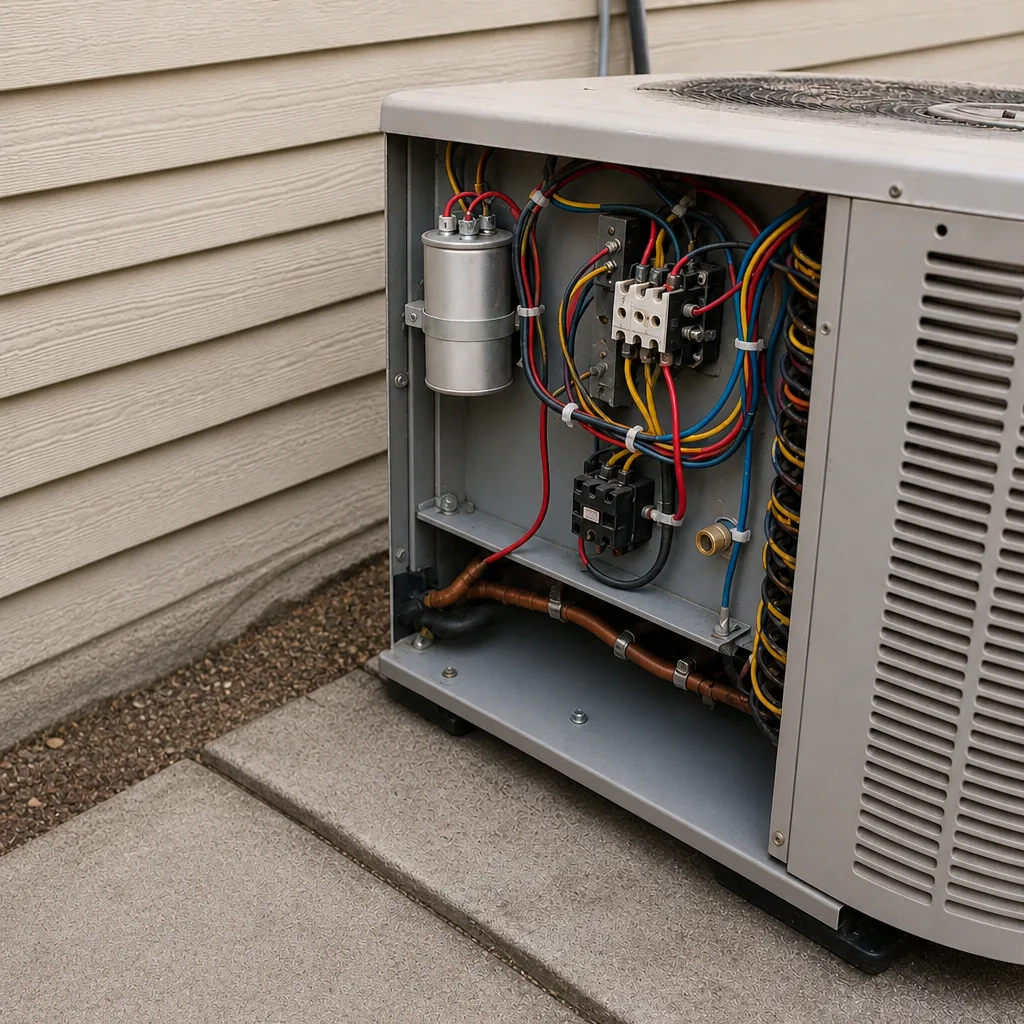
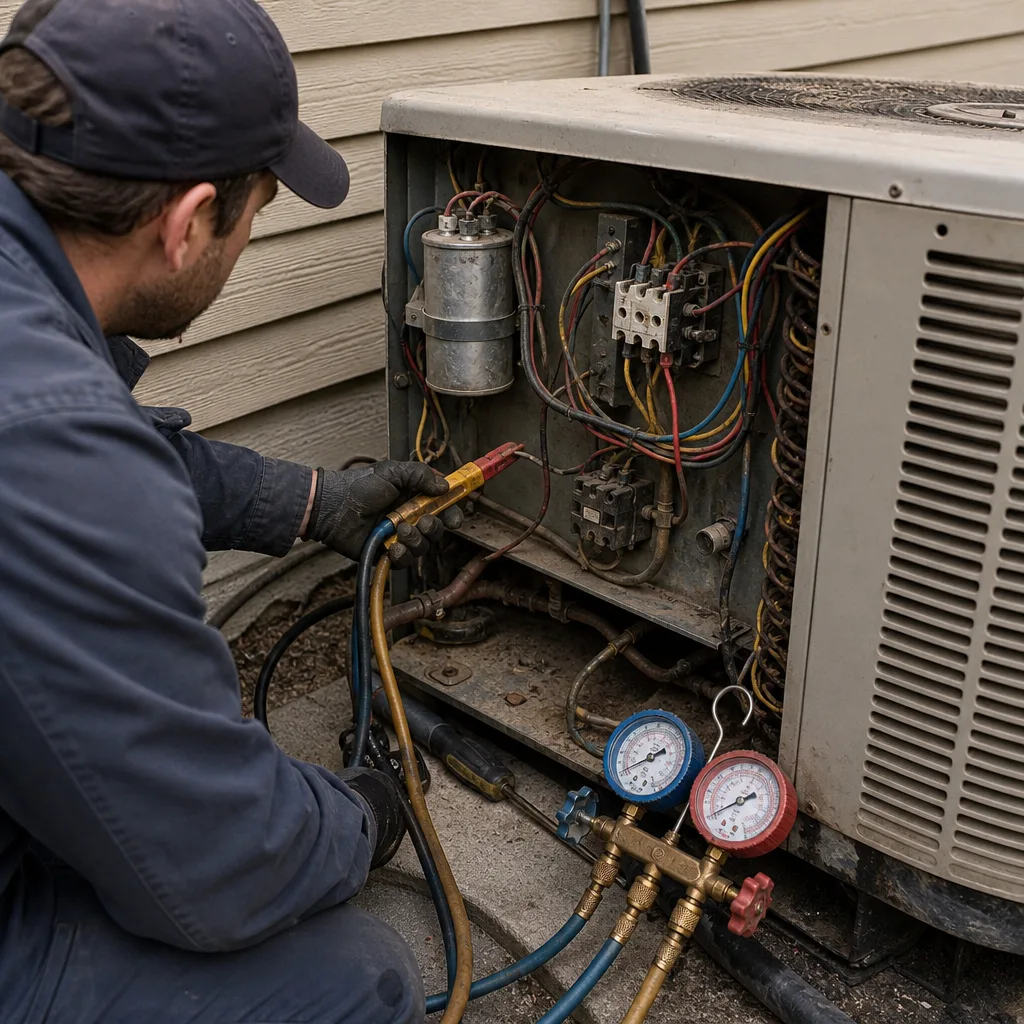 Before
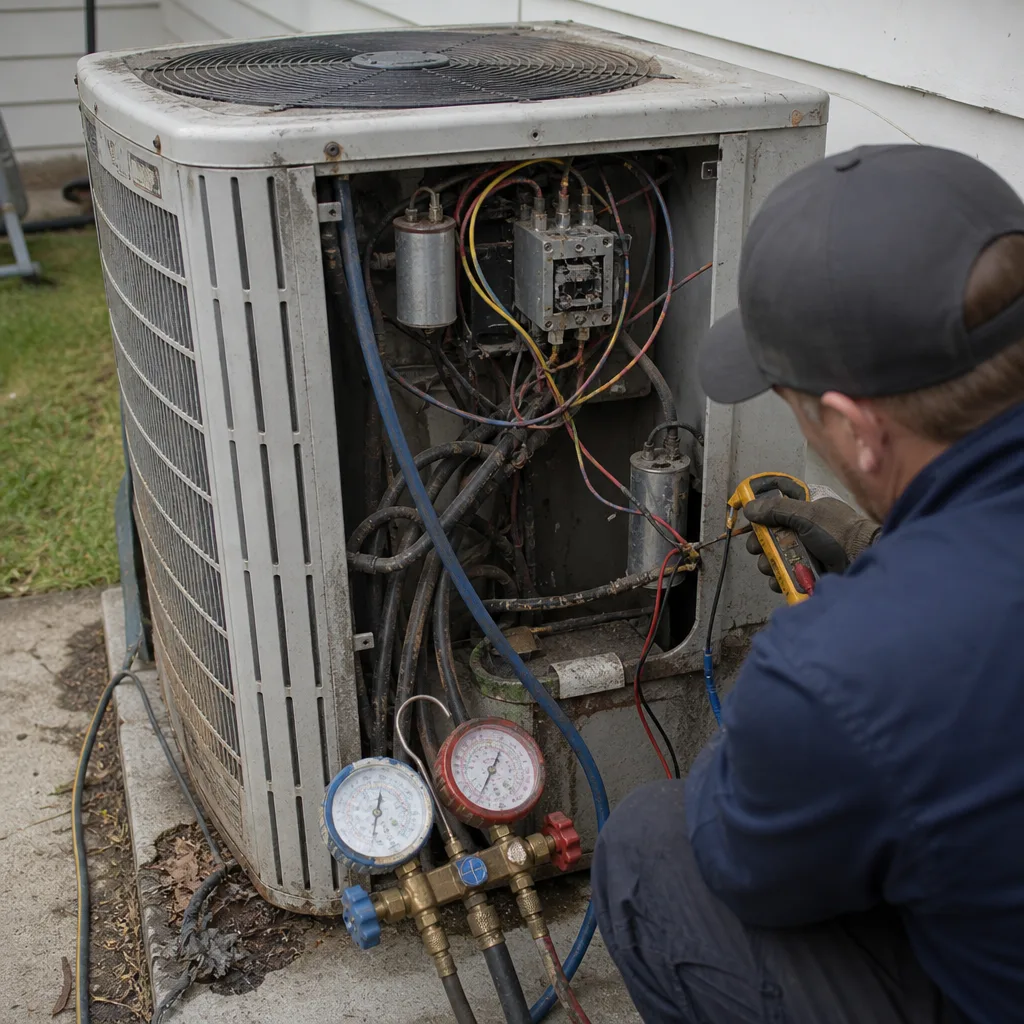
 After
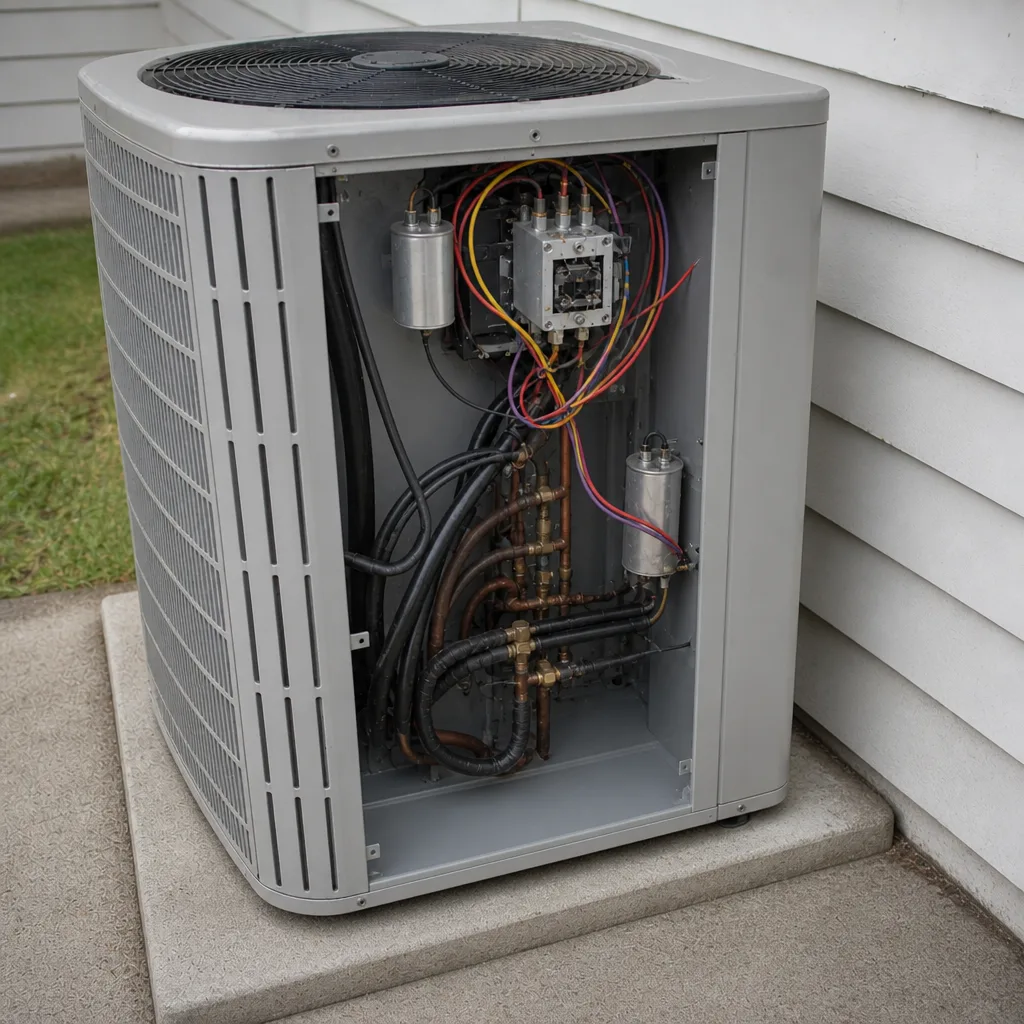
 Before
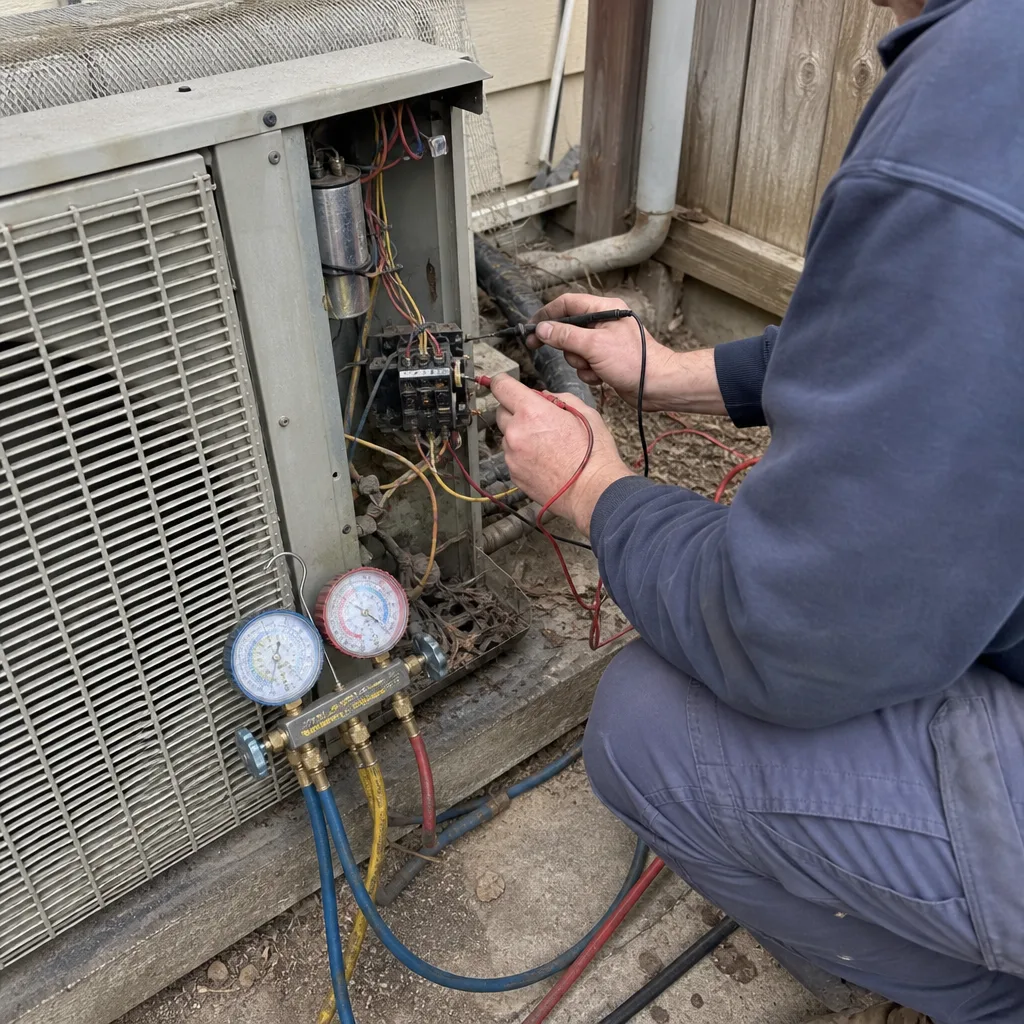
 After
 Before
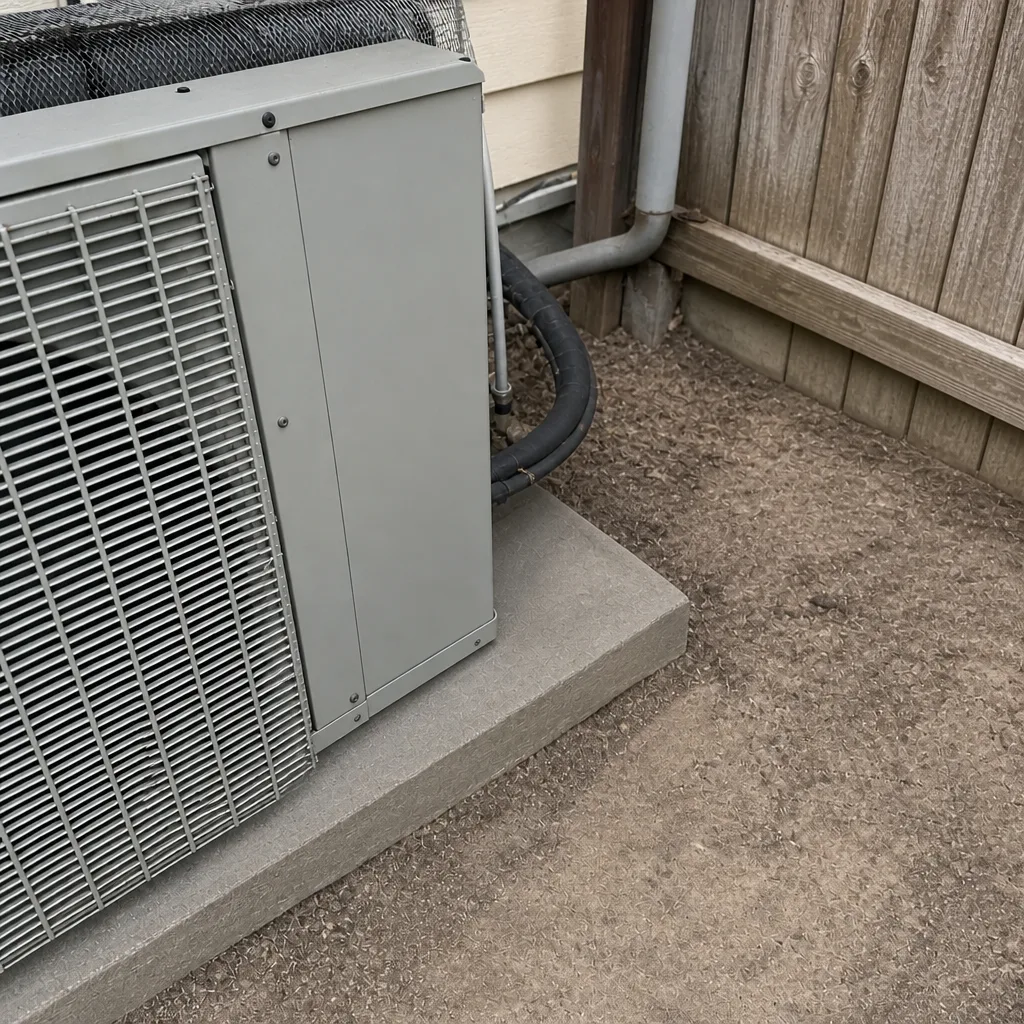 After
When to Call a Professional
A furnace that won’t heat, smells like gas, or makes a repeated clicking sound before failing to light deserves a call. The same goes for a unit that shows the same fault code twice and won’t restart, or a heat exchanger finding you want confirmed. Some components are genuinely dangerous to handle yourself, and the heat exchanger and gas valve are two of them: carbon monoxide leaks and gas leaks are real risks, and a trained technician should inspect and confirm any safety-related finding. If a technician tells you your furnace needs replacement, that’s the moment to call for a second opinion, not to write a check. We can look at the diagnostics, the code history, and the heat exchanger report and give you an honest repair-or-replace call.
Oakridge AC Repair offers free estimates in West Valley City. Call (844) 945-2917 and we’ll help you separate a fixable furnace from one that’s actually at the end of its life. For homeowners planning a system change, our AC installation team also handles the cooling side, so the sizing and the ductwork get looked at as one system.
Frequently Asked Questions
No. A cracked heat exchanger is serious and should be confirmed in writing, but the repair-versus-replace decision depends on which component is cracked and how old the furnace is. If the finding is in a replaceable secondary component on a newer furnace, a repair is often possible. If it’s in the primary exchanger on a unit past 15 years, replacement usually makes more sense. Call (844) 945-2917 for a free estimate and a clear explanation of your options.
Run the age-plus-repair-cost formula: add the furnace’s age to the repair cost divided by 100. Under 50 usually favors repair, and over 50 favors replacement. Then confirm the specific part that failed with a written diagnostic. If the failure is a flame sensor, filter, blower motor, or pressure switch, repair is almost always the answer. Call (844) 945-2917 for a free estimate and a straight repair-or-replace call.
Yes. Find the model number on the furnace tag, open the access panel with the power off, and count the LED flashes or read the display on the control board. Then look up the code in the manufacturer’s manual for your model. The code tells you which part is reporting the fault, not whether the furnace needs replacement. On most modern furnaces a code points to a specific component that can be repaired. Call (844) 945-2917 for a free estimate if a code keeps coming back.
The biggest red flags are a cracked heat exchanger claim with no report or photo, a same-day pressure to sign, and a replacement recommendation on a furnace under 10 years old without a specific safety finding. A technician who won’t put the diagnostic in writing or who won’t repair an older brand is also a warning sign. Get a second opinion. Call (844) 945-2917 for a free estimate and an honest diagnosis.
West Valley City furnaces run long cycles through cold winters and deal with dry air and winter inversion dust, which means flame sensors foul faster and filters load up quicker. Change the filter at the start of the heating season and check it again in mid-winter. A dirty flame sensor is one of the most common causes of a furnace that locks out mid-season, and cleaning it is a repair, not a replacement. Call (844) 945-2917 for a free estimate if your furnace keeps locking out.
Not automatically. A 15-year-old furnace that heats reliably and isn’t showing safety findings can often keep running. The decision turns on the age-plus-repair formula and whether a major repair is coming. If the repair cost plus the age climbs over the threshold, replacement makes sense. If the unit is still heating without repeated failures, repair is usually the better value. Our team at Oakridge AC Repair gives an honest repair-or-replace call rather than a push. Call (844) 945-2917 for a free estimate.
The Bottom Line
A furnace replacement recommendation deserves a second look. Most problems that look like replacements are repairs: a dirty flame sensor, a clogged filter, a failing blower, or an airflow issue that shows up only in the coldest West Valley City weeks. The two symptoms that genuinely point to replacement are a confirmed crack in the primary heat exchanger on an older unit, and an age-plus-repair formula that climbs over 50. Ask for the heat exchanger report in writing, ask for both a repair and a replacement quote, and run the math before you decide. If you’re planning a system change, we also handle West Valley City AC installation and full furnace replacement, so the decision stays with one team from diagnostic to install. Call (844) 945-2917 for a free estimate. We answer 24/7. Fast dispatch from 7am to 7pm, Sunday through Friday.
Written by the team at Oakridge AC Repair.