
Last updated November 15, 2026
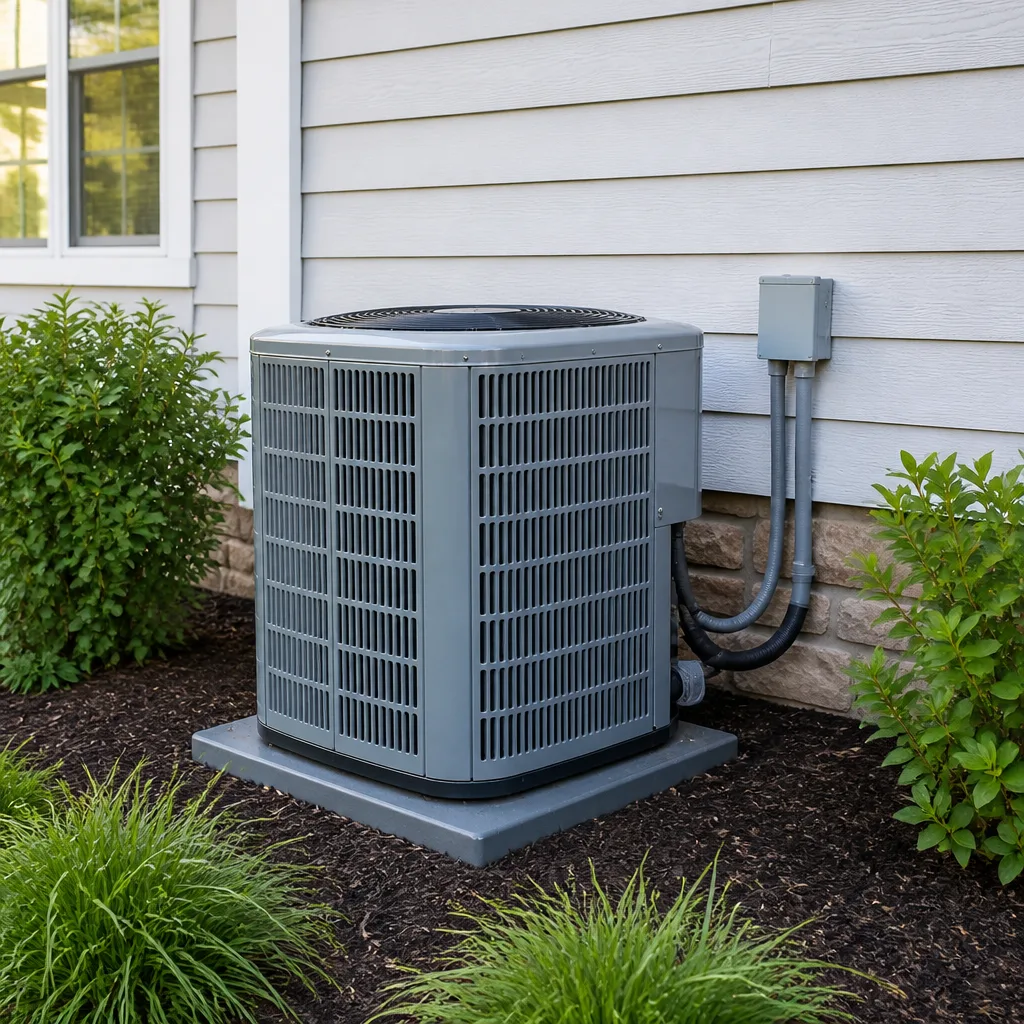 AC repair
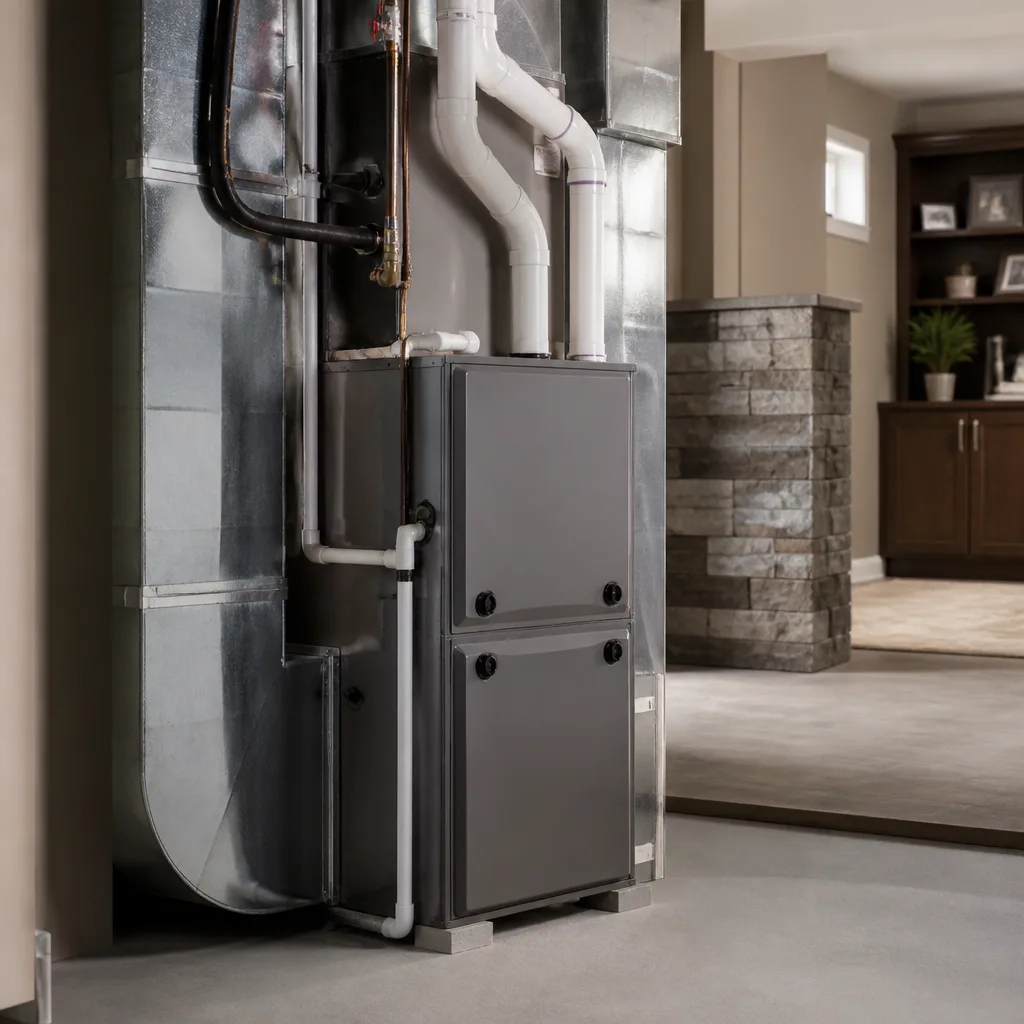 Furnace & heating
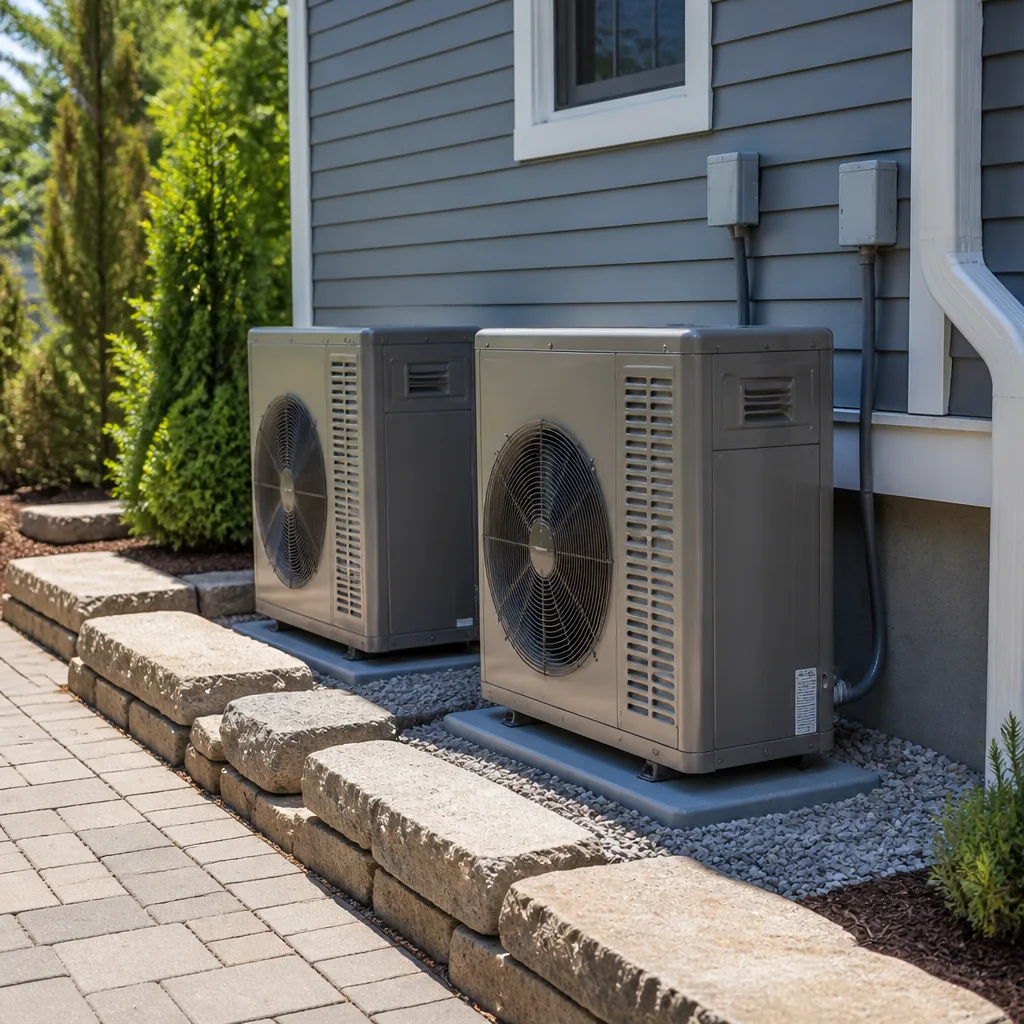 Heat pumps
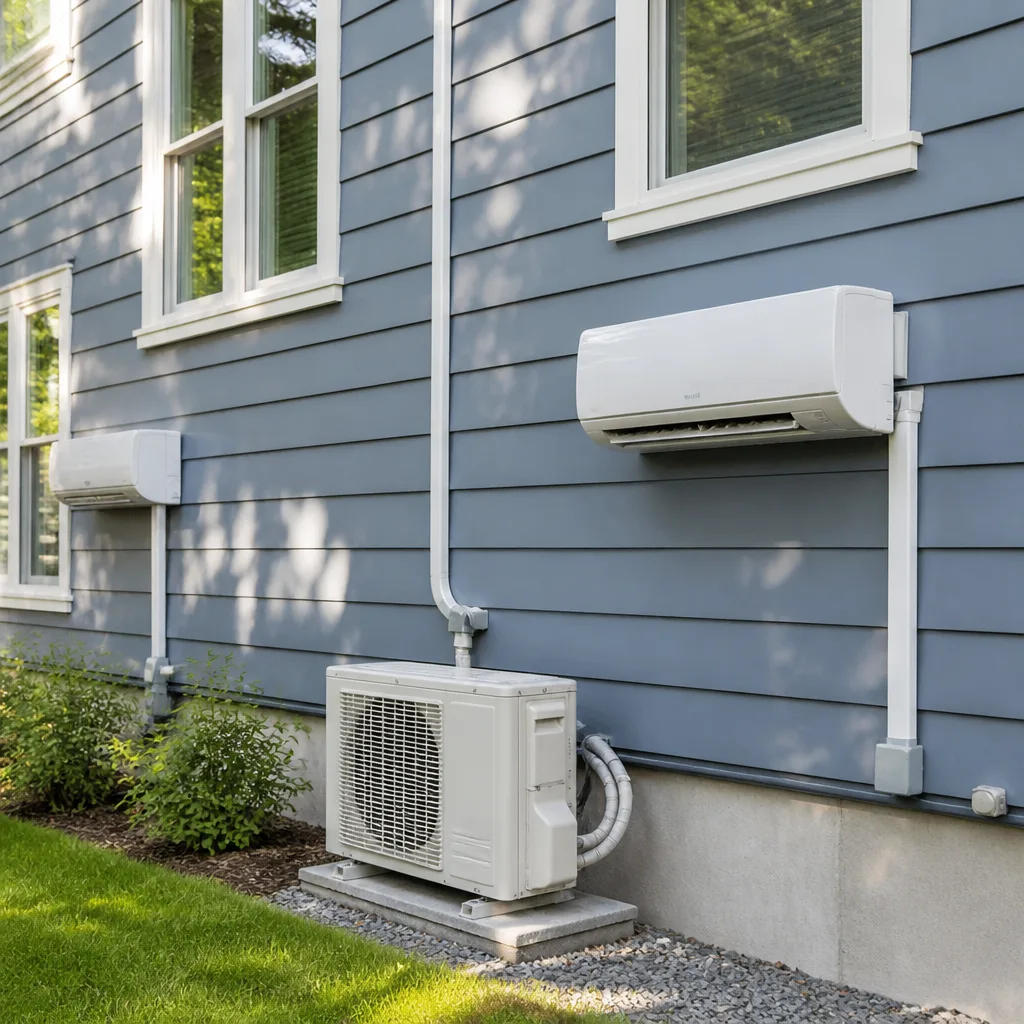 Ductless mini splits
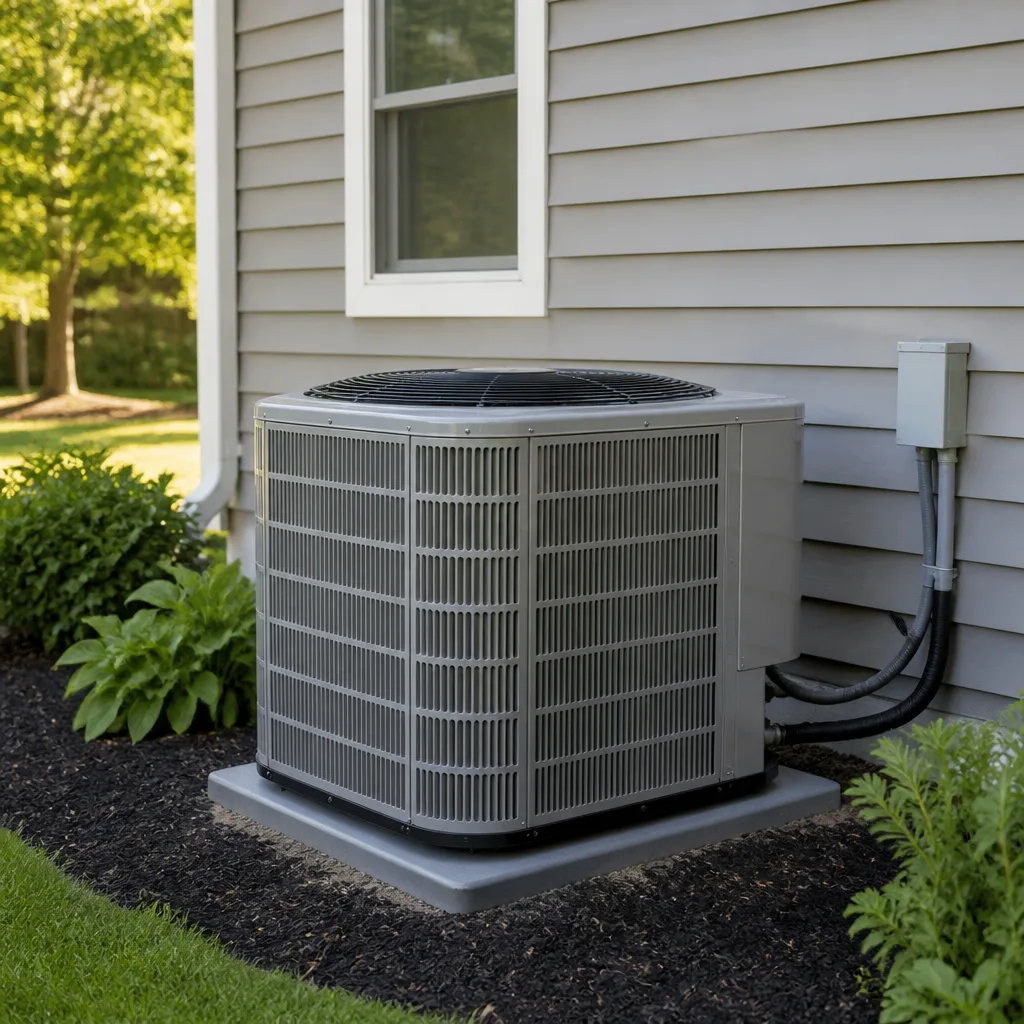 Carrier
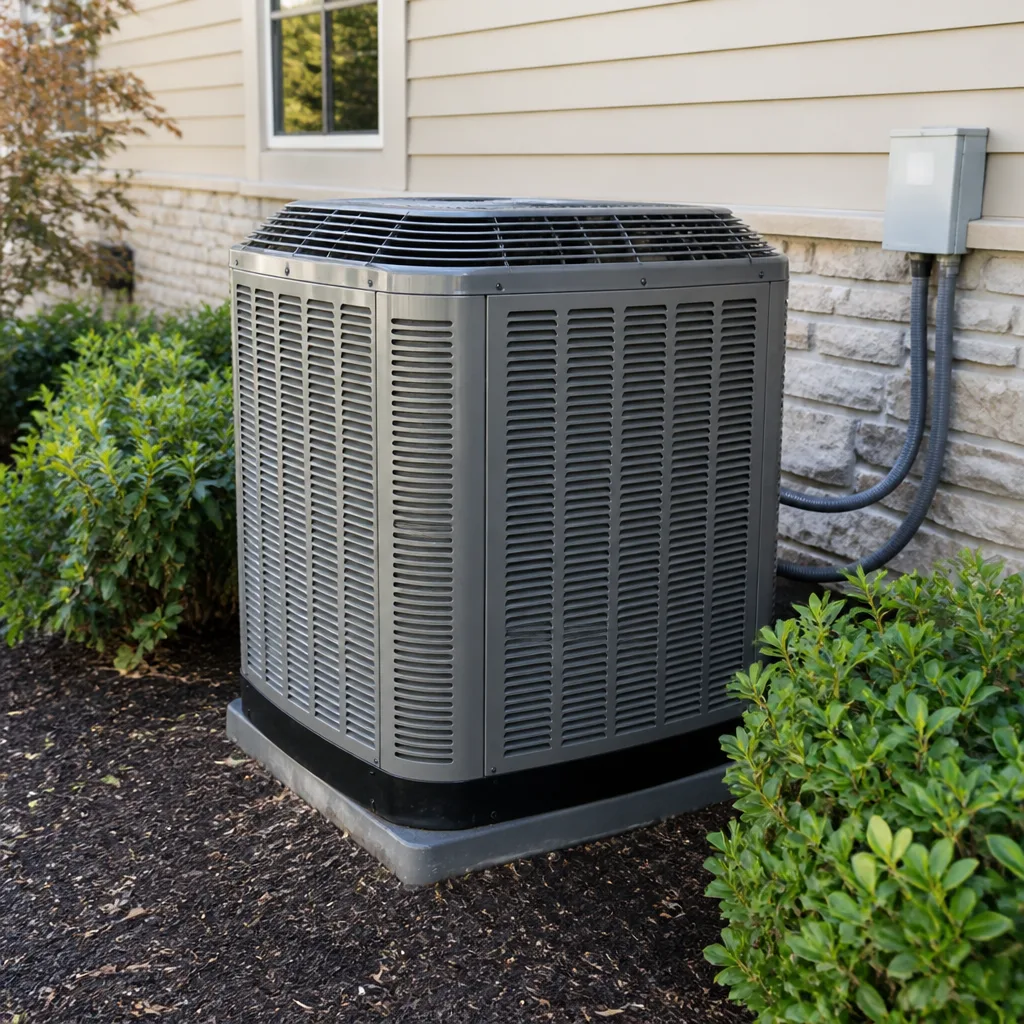 Trane
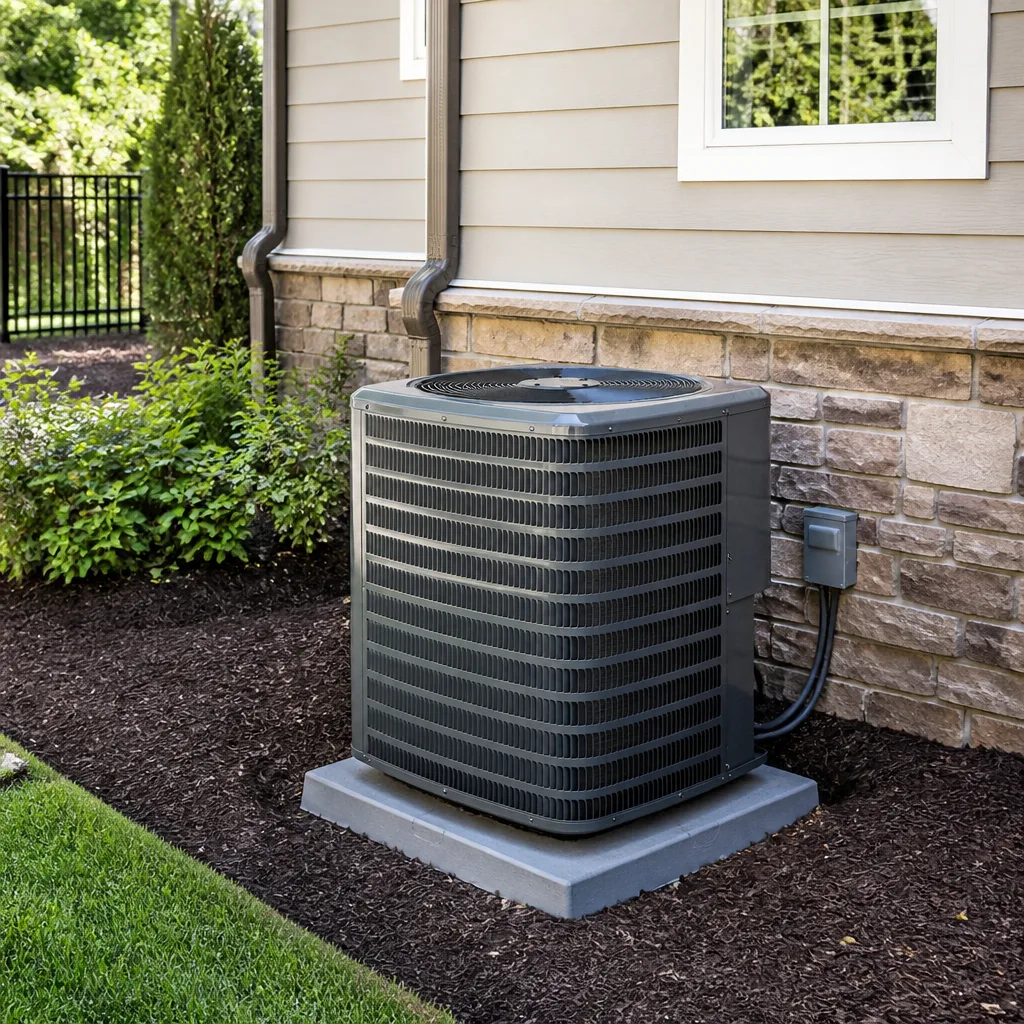 Goodman
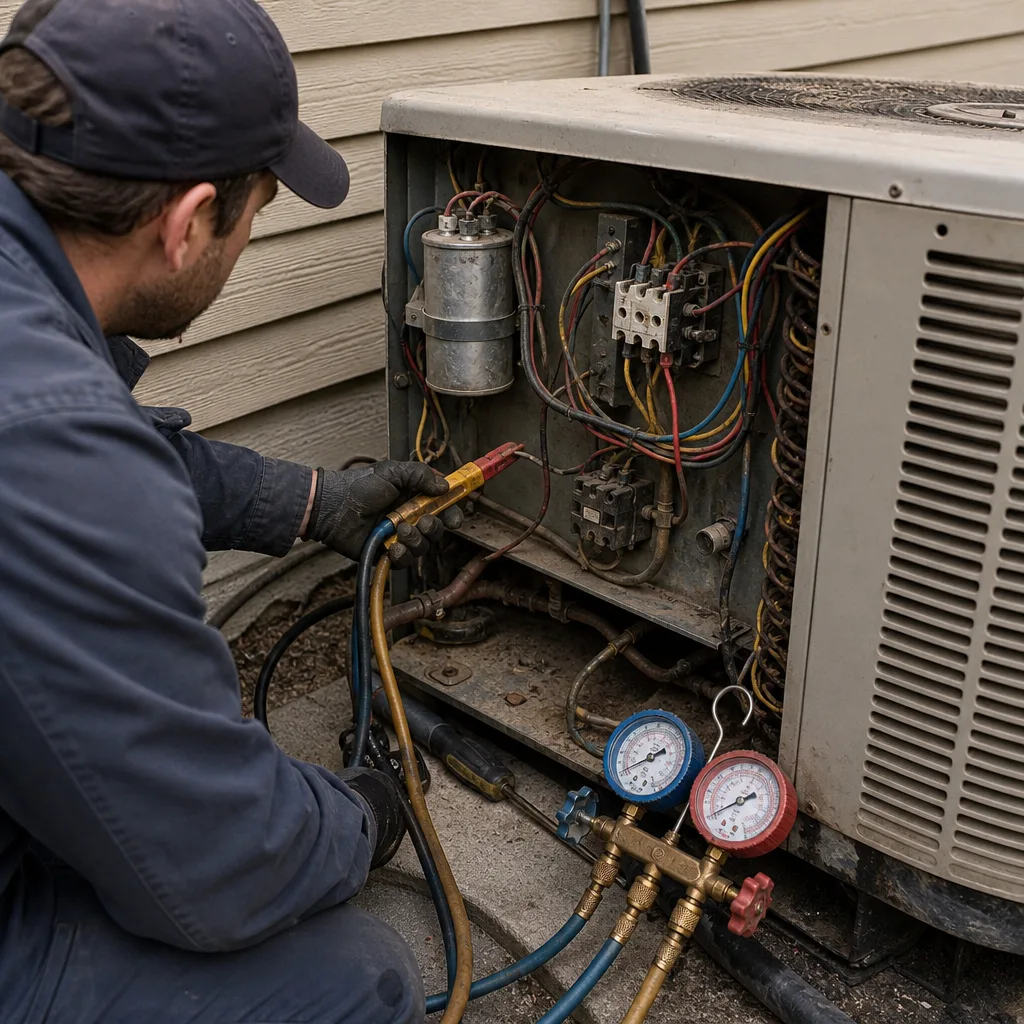
Seasonal tune-up and full diagnostic on your Carrier, Trane, or Goodman system - readings shown to you before any repair is proposed
Diagnosis first, numbers second - you approve the repair price before a single part goes in.
Get your free estimateHVAC Permits, Codes & Inspections in West Valley City, UT: What You Need to Know
Most homeowners assume a permit is just paperwork a contractor handles in the background, and that the work matters more than the stamp. Here’s the counterintuitive part: in West Valley City, an unpermitted HVAC installation can cost you far more than the permit itself, even when the equipment runs fine. It can surface years later during a home sale inspection across Salt Lake County, complicate an insurance claim after a problem, and force you to prove work was done right when the records say nothing was done at all. In this guide, we walk through exactly which jobs need a West Valley City mechanical permit, how to check your own address in the city’s system, what inspectors verify at each stage, and what to do if you discover past work that was never permitted.
Quick Answer
HVAC work in West Valley City requires a mechanical permit whenever you install, replace, or significantly modify equipment – furnace replacement, AC installation, gas line connections, and ductwork changes all qualify. Swapping a filter or replacing a thermostat with a like-for-like unit generally does not. The permit exists so an independent inspector can confirm combustion safety, refrigerant handling, and electrical connections before the system is signed off. Skipping it leaves dangerous work uninspected and creates real liability for the homeowner.
Styles & brands we work with
- AC repair
- Furnace & heating
- Heat pumps
- Ductless mini splits
- Carrier
- Trane
- Goodman
Table of Contents
- Which HVAC jobs need a West Valley City permit, and which are exempt
- How to verify a permit was pulled for your address
- Utah state mechanical code vs. West Valley City local amendments
- What inspectors actually check during rough and final HVAC inspections
- What to do if a previous owner’s HVAC work was never permitted
- Why West Valley City’s climate makes code compliance matter more
- How to choose an HVAC contractor who handles permits correctly
- What permits cost and how they fit the project budget
Which HVAC jobs need a West Valley City permit, and which are exempt
The short version: if a job changes the equipment itself, ties into gas or electrical systems, or alters how air moves through the home, plan on a permit. If it’s maintenance or a direct swap that changes nothing about the system’s design, you usually don’t need one. Knowing which side of that line you’re on protects you from a contractor who cuts corners – or from paying for a permit you genuinely don’t need.
In our experience working across West Valley City, here’s the practical split we see for residential HVAC work:
Usually requires a mechanical permit
- Full AC installation or system replacement, including new condenser and evaporator coil
- Furnace replacement – even a straight swap of the same make and model counts, because it involves gas connections and combustion safety
- Adding a new gas line or re-routing an existing one for HVAC equipment
- Ductwork alterations that change layout, sizing, or extend into new space
- Converting from one fuel type or system type to another
- Major electrical work tied to HVAC equipment, such as a new dedicated circuit
Typically exempt (no permit needed)
- Replacing a filter – always homeowner-level maintenance
- Swapping a thermostat for a like-for-like unit with no wiring changes
- Routine tune-ups, cleaning, and inspections
- Replacing a fuse, capacitor, or contactor during a repair visit
- Clearing a drain line or basic condensate repair
The line blurs when a “repair” turns into a partial replacement or an electrical modification. In those cases, always ask your contractor whether a permit is required. If they can’t give you a clear answer, that’s a sign to keep asking questions. A trustworthy HVAC professional will tell you upfront whether your job is permit-required.
How to verify a permit was pulled for your address
You don’t have to take a contractor’s word for it. West Valley City maintains an online permit portal that lets any homeowner look up permits by address. Whether you’re about to have work done or are buying a home with a recent HVAC replacement, the portal tells you whether a permit exists and what stages were inspected.
Here’s how to check, step by step:
- Go to the city’s permit portal. West Valley City’s official website links to its online permit search. If you can’t find it quickly, call the city’s building department and ask for the link.
- Search by address. Enter your street number and name. You’ll see every permit pulled for that property, with dates and status.
- Look for a mechanical permit. HVAC work falls under the “mechanical” permit category, not building or electrical. If work was done and no mechanical permit exists, that’s your red flag.
- Check the inspection status. A permit that was pulled but never given a final inspection is only halfway done. The record should show a “final” or “approved” status when the job is complete.
- Note the contractor name. The permit lists which contractor pulled it. If a different company did the work, ask why.
If you’re buying a home, run this check before you waive your inspection contingency. A missing permit on a recently installed system gives you real negotiating leverage – or the chance to walk away if the work looks questionable. Our team can also help you make sense of what you find; a good starting point is our overview of Oakridge AC Repair and the kinds of systems we work on in West Valley City homes.
Utah state mechanical code vs. West Valley City local amendments
Utah adopts a statewide mechanical code that governs how HVAC systems must be installed, ventilated, and connected to gas and electrical systems. West Valley City then applies its own local amendments and administrative procedures on top of the state code. The underlying safety rules are consistent statewide – combustion air, venting, refrigerant handling, and electrical bonding work the same way whether you’re in West Valley City or anywhere else in Utah. What changes locally is how permits are filed, inspected, and documented.
Here’s where the state-versus-local distinction actually matters for a homeowner:
- Filing requirements. Local amendments may specify who can pull the permit, what documents must be submitted, and how quickly the permit must be scheduled for inspection.
- Inspection sequencing. Some jurisdictions allow a rough inspection and final inspection as separate stops; others combine them in certain cases. West Valley City specifies its own sequencing in the permit application.
- Fees and timelines. Fee schedules are set by the city, not the state, and can vary.
- Amendments that tighten or clarify state code. Local amendments sometimes add requirements for specific neighborhoods or building types. Always confirm specifics with the city’s building department for your address.
What doesn’t change: gas connections and refrigerant handling always require a trained professional, because the safety stakes are real. Carbon monoxide from a poorly vented furnace isn’t a hypothetical risk. Refrigerant under pressure can cause serious injury if mishandled. Neither system tolerates shortcuts, which is exactly why a licensed permit and inspected installation matter.
What inspectors actually check during rough and final HVAC inspections
Understanding what an inspector looks for helps you ask better questions of your contractor and understand what the sign-off actually means. Inspections happen in stages. The “rough” inspection happens after equipment and piping are installed but before the system is enclosed or started up. The “final” inspection confirms the completed system operates safely.
What the rough inspection typically covers
- Equipment placement and clearances. Is the furnace or air handler installed with proper access and clearance for service and safety?
- Combustion air and venting. For gas furnaces, is there adequate combustion air supply, and is the flue properly routed and pitched?
- Gas piping. Materials, connections, and leak tests – this is where gas safety gets real.
- Electrical connections. Dedicated circuit, disconnects, and grounding for HVAC equipment.
- Refrigerant lines and ductwork. Line sizing, insulation, and duct sealing where accessible.
- Condensate management. Drain routing and traps for cooling equipment.
What the final inspection typically covers
- Operational testing. Does the system start, run, and cycle correctly?
- Combustion safety verification. Flue gases vented properly, no visible leaks.
- Refrigerant charge verification. Confirming the system is charged per manufacturer specifications.
- Airflow basics. Adequate return and supply airflow confirmed.
- Documentation. Manufacturer instructions, permits, and any required labels in place.
None of this is excessive. Each item reflects a failure mode that actually causes problems – a missized flue, a bad disconnect, a leaking gas fitting. Inspectors exist to catch those failures while there’s still someone to fix them. We can’t tell you which day your city inspection will be scheduled, but we can confirm that our team regularly prepares West Valley City HVAC jobs for inspection and stays on top of what inspectors will want to see. When you’re considering a new system, our ac installation page explains how we approach the process.
What to do if a previous owner’s HVAC work was never permitted
Discovering unpermitted HVAC work after you’ve bought a home feels alarming, but it’s a solvable problem. The important thing is not to ignore it. Unpermitted work that was never inspected creates real risk: the equipment may be unsafe, and your insurance company may push back on a claim tied to that system. It can also stall a future home sale when the next buyer’s inspector flags it.
Here’s a realistic path forward:
- Confirm there’s no permit first. Check the city portal by address before assuming anything. Sometimes the permit exists but under an old owner’s name or a variation on your address.
- Get a professional inspection. An HVAC technician should assess the equipment itself: combustion safety, venting, electrical, refrigerant charge, airflow. You need to know if the work was done correctly, not just whether a permit was pulled.
- Take photographs. Document what exists. If the work is sound, this helps with the permit retroactively. If it’s not, you have a clear record.
- Contact West Valley City’s building department. Ask about the process for legalizing existing work. Many cities allow a retroactive permit with a professional inspection, and some charge a small administrative fee. Ask specifically what documentation they need.
- Correct any defects. If the inspection reveals problems – undersized gas line, improper venting, a missing disconnect – they have to be corrected before the city will sign off. Budget for this.
- Get the final inspection on record. Once the work passes, the permit should show as “final” or “approved” in the city system. Keep a copy of the documentation for your records and future resale.
If you’re facing this situation, furnace repair is often one of the first steps – an inspection of the equipment’s current safety condition gives you a clear picture before you talk to the city. What you don’t want to do is assume everything is fine because the system runs. A system can run and still fail a combustion safety test.
Why West Valley City’s climate makes code compliance matter more
West Valley City sits in the Salt Lake Valley, where summers bring extended stretches of triple-digit heat and winters deliver hard freezes. That swing matters for HVAC code compliance in ways that might not be obvious if you’ve lived in milder places. An undersized or improperly installed air conditioner will struggle through a long Salt Lake Valley summer, and a furnace installed with subtle venting problems becomes a genuine carbon monoxide risk when it runs through a cold winter freeze.
Three climate-related reasons the permit and inspection matter here beyond the paperwork:
- Design load matters in extreme heat. A system sized for a milder climate won’t keep up with a West Valley City July. The load calculation and equipment selection documented during the permit process are part of what ensures the system actually performs in our summer heat – not just in a lab.
- Combustion safety matters in hard winters. Furnaces run hard for months. Venting problems, backdrafting, and improper combustion air cause problems that don’t show up in warmer places. Inspection catches those failures before the coldest weeks arrive.
- Ductwork in conditioned spaces matters. When ductwork runs through attics or crawlspaces, poor sealing and insulation show up as comfort losses in both summer and winter. Inspectors confirm the basics of duct installation, which matters for utility bills and comfort alike.
We work across the neighborhoods and communities within West Valley City and the surrounding area – the same climate stresses apply from block to block. If you’re deciding between repair and replacement on an existing system in this climate, the honest answer is sometimes replacement and sometimes repair. Our page on West Valley City is a good starting point for local context on how we approach that decision.
How to choose an HVAC contractor who handles permits correctly
The single best signal that a contractor will do the job correctly is whether they initiate the permit themselves without you having to ask. A licensed HVAC contractor knows the local permit process, budgets for it in the estimate, and schedules the inspections. A contractor who suggests skipping the permit is telling you something important about how they do everything else.
Here’s what to ask before you hire:
- “Will you pull the permit, and is the fee included in your estimate?” The answer should be yes, and the fee should be line-itemed. Permits are the contractor’s responsibility, not a hidden cost you discover later.
- “Which permit class applies to my job?” A contractor who can explain whether this is a mechanical permit, an electrical one, or both – and why – knows the local code.
- “Who schedules the inspections, and what do I need to do?” The contractor should schedule both rough and final inspections and tell you how to verify the final sign-off.
- “What happens if the inspector flags something?” A good contractor corrects it on their dime. A defensive contractor is a warning sign.
- “Can you work on the brand I already have?” Brand-neutral contractors aren’t locked into one manufacturer. Our team works on Carrier, Trane, Bryant, and several other leading brands, so we’re never telling you your existing system is “out of network.”
- “Are you insured and licensed?” Ask for documentation. A licensed contractor carries the credentials and insurance that protect you as the homeowner.
Our own team works on nine of the industry’s most recognized HVAC brands – Carrier, Trane, Lennox, Goodman, Rheem, York, Daikin, Bryant, and American Standard – so our recommendations are driven by fit and value, not dealer incentives. The technicians who install systems are the same technicians who repair them, which means we understand what’s inside the equipment we’re submitting for inspection.
What permits cost and how they fit the project budget
Permit fees for residential HVAC work in West Valley City are relatively modest – typically a fraction of what a mid-range installation or replacement costs. The exact fee depends on the value of the work and the current city fee schedule, so we don’t quote a specific number here. What we can say is that the permit is a small line item compared to the system itself, and skipping it never saves you money over time.
Where the costs get real is when work has to be redone or retroactively legalized. If an unpermitted installation produces a problem – an unsafe gas connection, improperly sized wiring, an insulation problem that drives utility costs – the correction cost routinely exceeds what the permit fee would have been. Beyond that, unpermitted work can complicate a homeowner’s insurance claim, stall a future sale, and require a professional inspection you wouldn’t have otherwise paid for.
When we provide a written estimate for a West Valley City HVAC project, the estimate is per-job and it includes everything required to complete the installation correctly – permit fees, materials, labor, and the documentation trail. If you’ve been quoted a suspiciously low price, ask directly whether the permit is included. That question is one of the easiest ways to spot the difference between a real estimate and a shortcut.
A few practical notes for reading HVAC estimates:
- Permit line item. Look for it explicitly, not buried in “miscellaneous.”
- Inspection scheduling. The estimate should note that inspections will be scheduled as part of the job.
- Equipment model numbers. The estimate should list specific models so the permit shows the equipment they were permitted for.
- Written scope of work. A clear estimate describes what’s being removed, what’s being installed, and what’s being modified.
- No surprise add-ons. If the permit wasn’t quoted but shows up mid-job, that’s a conversation worth having before you sign.
Common Mistakes to Avoid
- Letting the contractor convince you the permit is optional. It isn’t for installations or replacements. If a contractor offers to skip it “to save you money,” the saving is temporary and the exposure is yours.
- Confusing a permit with a final inspection. Pulling the permit is only half the process. If the final inspection never happened, the work isn’t actually signed off, which can cause problems when you sell the home.
- Not checking the permit portal before you buy. Salt Lake County home inspectors increasingly flag unpermitted HVAC work. Spending ten minutes checking the city portal before closing can save you weeks of negotiating later.
- Assuming like-for-like means no permit. A furnace replacement with the same model still involves gas connections and combustion safety. The city still wants to inspect it.
- Skipping the professional inspection on an older system. If you bought a home with a recently installed furnace or AC and no permit record exists, get a professional safety inspection before running the system through a West Valley City winter.
- Recognizing only brand-name contractors into one line. A contractor locked into one manufacturer may push that brand regardless of fit. Brand-neutral service matters when the right answer for your home isn’t the one the contractor is incentivized to sell.
- Waiting until summer heat or winter freeze to think about any of it. Permit checks, inspections, and equipment assessments take time. If you’re scheduling a replacement, start the process before the equipment fails.
See the difference
 Before
 After
 Before
 After
 Before
 After
When to Call a Professional
Some HVAC work is a straightforward homeowner task – filter swaps, basic thermostat replacements, keeping the outdoor unit clear. Everything else deserves a professional, and especially any work that involves gas, refrigerant, or 240-volt electrical. If you’re not sure whether your job requires a permit, call a professional who knows the local process. If you’re buying a home and need an HVAC inspection, if a previous owner’s work may be unpermitted, if a furnace or AC is being replaced, or if any combustion or refrigerant work is on the table, that’s a professional job.
Gas connections and electrical panels are genuinely dangerous to touch without training – carbon monoxide exposure and electrical shock are real risks, not theoretical. A trained, licensed technician is the only safe answer for anything on that list. Oakridge AC Repair offers free estimates in West Valley City – call (844) 945-2917. We answer 24/7. Fast dispatch from 7am to 7pm, Sunday through Friday.
Frequently Asked Questions
Yes. Furnace replacement requires a mechanical permit in West Valley City because the job involves gas connections and combustion safety, which an inspector needs to verify. Even a straight replacement with the same make and model counts. The permit is small compared to the risk of an uninspected combustion system. Call (844) 945-2917 for a free estimate – we handle permits as part of every replacement.
It can be. Unpermitted HVAC work may not have been safely installed, and it can complicate a future home sale or an insurance claim if a problem emerges. The solution is to check the city permit portal, get a professional safety inspection of the equipment, and contact West Valley City’s building department about retroactively legalizing the work if it passes inspection. Call (844) 945-2917 if you need the inspection done first.
Use the city’s online permit portal and search by address. You should see every permit pulled for that property, including the mechanical permit for HVAC work, along with inspection status. A permit that was pulled but never given a final inspection isn’t finished. If you’re buying a home, check before closing. Call (844) 945-2917 if you want a professional to review what you find.
The rough inspection happens after equipment and piping are installed but before the system is enclosed or started up – it confirms clearances, venting, gas piping, electrical, and duct installation. The final inspection happens after the system is operational and confirms it starts, runs, and vents safely. Both stages matter, and the permit isn’t complete until the final inspection is approved. Call (844) 945-2917 with questions about how we schedule inspections for West Valley City jobs.
Utility and government programs sometimes require permitted, inspected installations as a condition of eligibility, but program rules change and we don’t recommend guessing. If a rebate is mentioned by a contractor, ask for the current program documentation in writing. The safer path is to do the work correctly with a permit, keep your documentation, and confirm eligibility directly with the program. Call (844) 945-2917 and we’ll walk you through what documentation we keep on file.
Yes, in most cases. Replacing a thermostat with a like-for-like unit that doesn’t require new wiring is a standard homeowner task and doesn’t need a mechanical permit in West Valley City. If the thermostat change involves new wiring or a system modification beyond a simple swap, that’s when the answer can change. Call (844) 945-2917 if you’re not sure which category your situation falls into.
The Bottom Line
An HVAC permit in West Valley City isn’t red tape – it’s the mechanism that puts a trained set of eyes on the work that matters most: gas connections, refrigerant handling, electrical, and combustion safety. The permit is cheap; the consequences of skipping it are not. Check the city portal before you buy a home, verify the permit before work begins, and know that the final inspection is what actually closes the job. If a contractor suggests skipping the permit, that’s a signal about how they approach everything else. Our team works on nine leading brands – including Carrier, Trane, Bryant, and American Standard – so we can tell you honestly what your existing equipment needs and what a compliant installation looks like. Call (844) 945-2917 for a free estimate. We answer 24/7. Fast dispatch from 7am to 7pm, Sunday through Friday.
Written by the team at Oakridge AC Repair.